Key planning information for carotid stenting in Spain.
$9,500 fromLowest listed price
1–2 hrsProcedure time
1–3 daysHospital stay
6 hospitalsList carotid stenting
Carotid Stenting in Spain is listed from US$9,500 to US$12,000 at 6 hospitals. The operation takes 1 to 2 hours, with 1 to 3 days in hospital. Each hospital quotes its own price for your case.
Prices last updated Dec 2020
Cost of Carotid Stenting in Spain
Table of prices by type of procedure, in US$. Each hospital quotes its own price for your case.
Procedure
Minimum price
Maximum price
Carotid Stenting
$9,500
$12,000
Price starting from $9,500 up to $12,000 · last updated Dec 2020.Final prices are quoted by each hospital
Hospitals and clinics offering Carotid Stenting in Spain
Carotid Stenting is listed by 6 hospitals in Spain. The order reshuffles every hour so each gets equal exposure.
Our cardiac surgery service stands out from the rest because it includes all the diagnostic and therapeutic procedures currently available internationally.
DoctorsMSDr. Miguel SuchJJDr. Juan José Gómez Doblas
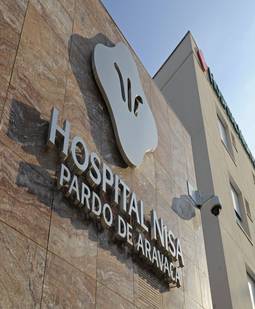
A modern (opened in 2007), general, private hospital located in Madrid, part of the NISA group of hospitals. The international patients department can assist patients with accomodation and trasportation, and can communicate in English as well as in Spanish.
HM Hospitales is a hospital group with six private hospitals in Madrid: three general hospitals, a cardiovascular hospital, an oncological center and a women's health hospital.
Our professionals diagnose and treat babies, children and adolescents who present with congenital structural heart defects, arrhythmias and cardiac electric conduction disorders, and congenital or acquired heart pathologies.
What is Carotid Stenting?
Carotid artery stenting describes a procedure in which your surgeon inserts into your body a slimline, metal-mesh tube, called a stent, which expands inside your carotid artery to improve blood flow in areas blocked by plaque.
Where does the procedure take place?
Normally, the procedure is performed in an angiography suite or catheterization lab.
Who performs the Carotid Stenting procedure?
The procedure is carried out by a specially-trained vascular invasive physician or vascular surgeon, nurses and technicians.
How can you prepare for the procedure?
In most cases, your physician will tell you to take aspirin and a prescription medication that prevents clots for 3 to 5 days before the procedure.
You should also fast for six hours before your procedure.
About Carotid Stenting
Key facts to plan your treatment: how long it takes, your hospital stay, anaesthesia, risks and recovery.
Duration of surgery/treatment
Carotid stenting normally takes between 1-2 hours, but in certain cases it may take longer.
Days admitted
Your hospital stay will probably be between 1-3 days.
Recovery
Your physician may probably instruct you not to lift anything too heavy after you return home, so as to avoid putting undue pressure on the incision.
You may also be informed not to take a bath for a few days (showers are normally fine), and to drink plenty of water to help flush out any remnant of the dye out of your system.
You will be advised to take blood thinning medications and also be scheduled for periodic follow-up examinations, to include carotid ultrasound examinations, to check on the function of your stent over a set period of time.
Risks
There are many factors that need to be taken into consideration. The risks are much dependent upon the severity of your disease, the location of the blockage, whether you’ve ever had a stroke before and the presence of other existing medical conditions.
Possible risks include:
- Irregular heart rhythm
- Allergic reaction to the medication or dye used during the procedure
- Bleeding at the catheter insertion site
- Stroke or death
After care
To prevent hardening of the arteries from happening again, you should think about the following aftercare changes:
- Eat more foods low in saturated fat, cholesterol, and calories
- Exercise regularly, aerobic exercises such as walking
- Control and maintain your ideal body weight
- Stop smoking
- Follow any advise from your physician in regards to taking medications to control cholesterol and to thin the blood

 Private Hospital
 JCIPrice on request
 ISO