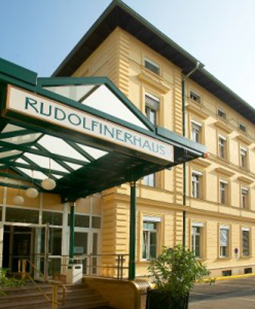
The largest private hospital in Vienna, offering quality medical services in an atmosphere of a luxury hotel. Rudolfinerhaus is affiliated with thousands of doctors, and patients can choose their doctors, or even bring their own physicians.
Leukemia is a condition where the blood-forming tissues become cancerous including the lymphatic system and the bone marrow. In other words, it is the cancer of the blood cells. There are different types of leukemia, and some exist in children while others exist in adults. Leukemia is mostly common with the white blood cells, which are the infection fighters. Normally, these cells grow and divide in an orderly manner, as the body requires. However, with leukemia, the bone marrow produces white blood cells, which are abnormal and do not function properly. These cancerous cells eventually crowd out the healthy cells in the bone marrow.
Types of Leukemia
The four main types are:
Chronic lymphoblastic leukemia (CLL)
Chronic myelogenous leukemia (CML)
Acute lymphoblastic leukemia (ALL)
Acute myelogenous leukemia (AML)
Symptoms of Leukemia
There are several symptoms, and they depend on the type of leukemia you have. These are:
Bone pain
Feeling tired without known reasons
Pain and swelling on the left side of the belly
Weight loss
Swollen gland in the neck, your groin, or your neck
Frequent fevers
Frequent nosebleeds, bleeding from the rectum or gums
As a general advice, do not ignore any symptoms as leukemia symptoms are vague and resemble other common illness.
Risk factors
These factors increase the chances of getting leukemia. However, some people get this cancer without these risk factors. They include:
Acute myelogenous leukemia (AML): Exposure to chemicals like formaldehyde and benzene
Chronic lymphoblastic leukemia (CLL) -Being of middle age, older, white, and male -Presence of a virus known as HTLV-1
General factors -Exposure to radiation levels -Conditions due to abnormal chromosomes such as Down syndrome -Radiation or chemotherapy used to targets previous cancer conditions
Treatment
The aim of treating leukemia patients is to kill these cells and facilitate the formation of new normal cells. Treatment will depend on your general health factors, stage of leukemia, and your age.
Induction Therapy: It involves the use of corticosteroids and chemotherapy and aims to kill leukemia cells available in the bone marrow and blood to induce remission. The procedure occurs in a hospital and lasts for about 4 weeks.
Consolidation therapy: The procedure uses more chemotherapy and sometimes includes stem cell transplant and some preventive treatment using radiation and chemotherapy. The procedure ends up killing all the leukemia cells present, though not detected via tests.The process does not require the patient to stay overnight at the hospital, but takes several months to complete the sessions.
Maintenance therapy: This process uses lower doses of chemotherapy than the other processes and prevents any of the remaining leukemia cells from regenerating. Treatment involves a monthly intravenous treatment with chemotherapy and pills.
Biological therapy: It involves the use of medications that help the immune system to recognize and attack leukemia cells.
Stem cell transplant: This is procedure undertaken to replace a diseased bone marrow with a healthy one. The procedure is preceded by high doses of radiation and chemotherapy to destroy the affected bone marrow followed by infusion of blood-forming stem cells.
About Leukemia Treatment
Key facts to plan your treatment: how long it takes, your hospital stay, anaesthesia, risks and recovery.
Duration of surgery/treatment
Induction Therapy occurs in a hospital and lasts for about 4 weeks. Consolidation Therapy does not require the patient to stay overnight at the hospital, but takes several months to complete the sessi
Recovery
Information coming soon. Request a consultation for personalized recovery guidance. Get Quote →
Risks
Tiredness, nausea, loss of hair due to chemotherapy, mouth sores
loss of appetite and bleeding, swelling it the injected areas for the infusion of IV therapeutic agents, headaches, fever, muscle aches, graft-versus-host disease where the donor and the patients’ blood cells and tissue reacts
After care
Information coming soon. Request a consultation for personalized recovery guidance. Get Quote →

 Private Hospital
 ISOPrice on request