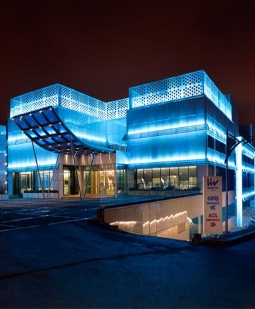
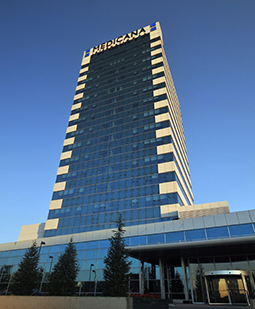
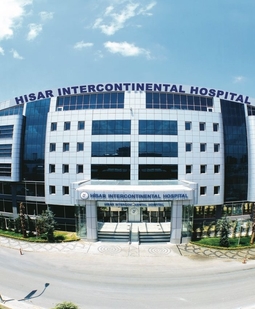
Hisar Intercontinental Hospital not only provides early diagnosis programs for cancer, but also offers a private treatment plan by combining the experience of the physicians and operation team with all the facilities of advanced technology.
Our comprehensive cancer program consists of specialized physicians, cancer nurses, psycho-oncologists and patient care coordinators who work together to provide the best available care to our cancer patients and their families in a caring environment.
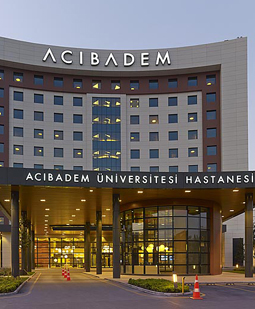
Acıbadem began its journey into healthcare services as a small neighbourhood hospital in a district of Istanbul/Turkey. Today, Acıbadem is a super brand which has taken its rightful place amongst the global healthcare leaders, with its 21 hospitals, 16 outpatient clinics and supporting service compa
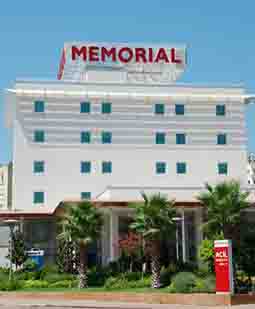
A modern JCI accredited hospital located in Antalya, with 80 physicians spread across most medical specialties. The international patients department assists foreign patients with transportation, insurance, Visa arrangements, translation and more.
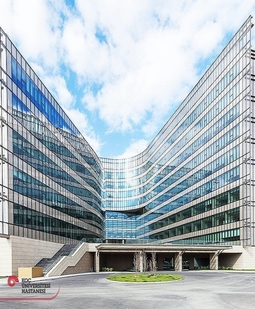
Liv Hospital is the only institution in Turkey co-authorized Center of Excellence Accreditation in colorectal surgery, robotic surgery and bariatric surgery by the Surgical Review Corporation (SRC) and provides advanced technology and treatments to its international patients with its 159 bed capacit
DoctorsAPAssoc. Prof. Dr. Duygu DerinMFDr. Merdan FaydaView all 3
Cancer therapy is comprised of a group of therapies which necessitates operation of multiple medical branches in cooperation. Here, various surgical branches work in cooperation with Radiation Oncologists and Medical Oncologists.
Lymphoma is cancer affecting the immune system known as the lymph system. The lymphatic system constitutes the white blood cells which are also referred to as lymphocytes. Therefore, lymphoma occurs when the white blood cells grow and divide uncontrollably. Since these cells are mobile in the body, they can easily travel to other parts such as the lymph nodes, bone marrow, spleen, and other organs and form tumors in these regions.
Lymphoma occurs in many forms classified as Hodgkin lymphoma, and the other types are the non-Hodgkin. Hodgkin lymphoma affects the bone marrow and the blood while non-Hodgkin affects the lymphatic tissue and the lymph nodes.
Signs and symptoms
Fever
Soaking night sweats
Pain and swelling of the belly
Swollen and painless lymph nodes especially in the armpits, groin, and the neck
Unplanned weight loss
Treatment
Just like other types of cancers, lymphoma progresses in stages, and this influences the mode of treatment adopted. In most cases, a combination of the following treatment options is used.
Chemotherapy
This procedure involves the administering of powerful drugs to kill cancer cells. The drugs either are pills or fluid infused into the bloodstream through intravenous means. Chemotherapy is, therefore, a systemic therapy implying that the drugs circulate through the blood stream affecting all parts of the body.
Radiation therapy
This involves the use of high-energy rays to kill and eliminate the cancer cells. It is classified as a local therapy implying that it is used on cancer-affected areas. In most cases, the surrounding regions are also radiated to eliminate any threat of infection. A radiation oncologist performs the process.
Biological Therapy
It is also known as immunotherapy and uses the body’s natural immunity against pathogen to fight lymphoma. There are varying types of biological therapies such as monoclonal antibodies and cytokines among others. These treatment options are preferred due to their minimal side effects.
Cytokines: These are naturally occurring chemicals produced by the body to stimulate cells in your body and mostly the immune system. The chemical can also be produced artificially and administered to stimulate the growth of blood cells in case of lymphoma.
Vaccines:In cancer patients, these vaccines stimulate the immune system to initiate a specific response against cancer. They serve as memory so that in the case of future recurrence, the immune system activates early. In conclusion, the type or combination of treatment adopted depends on the patients’ health condition, the ability to withstand the side effects, methods previously used and the stage of lymphoma.
About Lymphoma Treatment
Key facts to plan your treatment: how long it takes, your hospital stay, anaesthesia, risks and recovery.
Duration of surgery/treatment
The first cycle, which is the actual treatment period lasts several days. It follows another period of rest lasting several weeks to facilitate recovery from the risk factors.
Number of sessions required
Chemotherapy is administered in cycles and a standard treatment constitutes of four or six cycles.
Recovery
Information coming soon. Request a consultation for personalized recovery guidance. Get Quote →
Risks
Since radiation is a local procedure, the side effects will vary depending on the part radiated. Some of the most common risks include: Nausea, Diarrhea, Fatigue, Loss of appetite
After care
Information coming soon. Request a consultation for personalized recovery guidance. Get Quote →
 Private Hospital
 JCI
 ISO