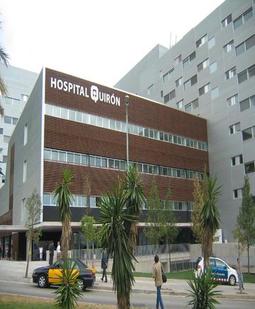
The medical-surgical dermatology and STD department at Vithas Xanit International Hospital runs diagnosis and medical-surgical treatment on all cutaneous-mucous pathologies and sexually transmitted diseases as well as normal skin maintenance using the latest dermo-cosmetic treatment.
With more than 36 medical specialties, 200 physicians and surgeons of the highest level, Quironsalud Hospital Malaga is one of the most pertinent hospitals in Spain.
This international hospital incorporates prestigious doctors, invests in research and development, technology and continuing education that enhances skills, in facilities, and in an increased operational efficiency in order to provide nothing but the best
An ISO certified modern private hospital, which was opened in 2006, and is part of the Quironsalud Hospital Group. This tertiary care hospital has certified medical specialties capable of treating the most complicated medical cases.
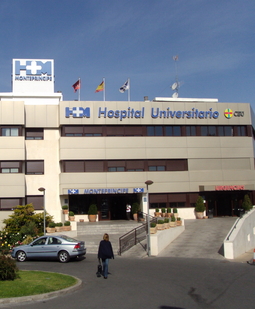
HM Hospitales is a hospital group with six private hospitals in Madrid: three general hospitals, a cardiovascular hospital, an oncological center and a women's health hospital.
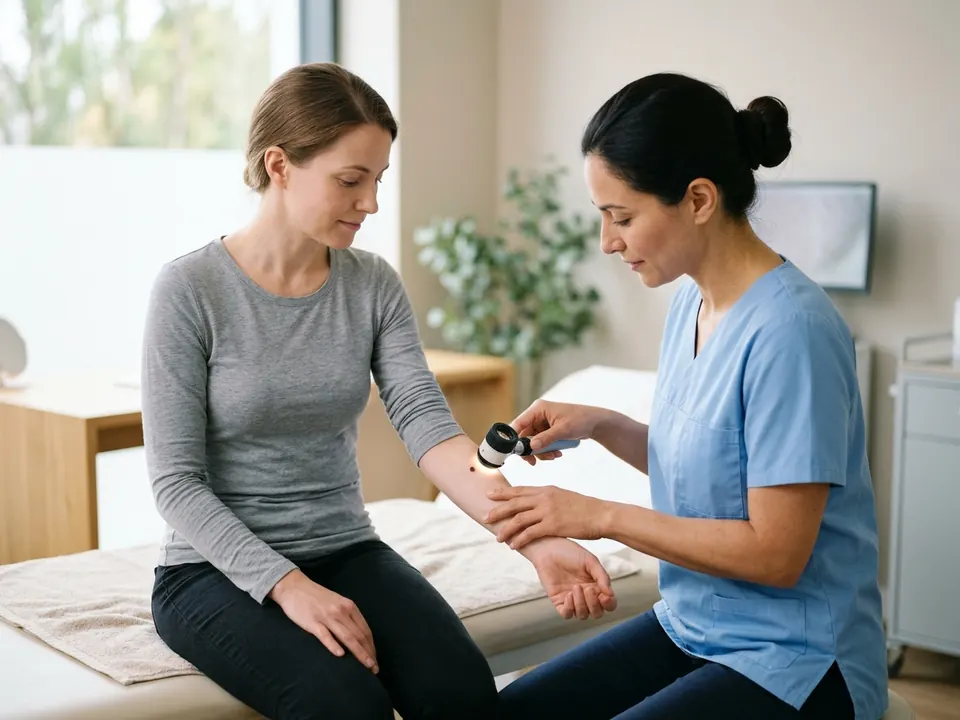
The Department of Dermatology examines the entire body for dermatological diseases. Providing diagnoses and treatments for common dermatological diseases, bullous dermatoses, connective tissue diseases, skin cancers, and congenital skin diseases in cooperation with other departments.
External consultation: visits for diagnosis, treatment and follow-up to all types of patients. Dermatological surgery of benign lesions and tumor lesions. Mohs microbial surgery. Laser for pigmented lesions and tattoos, laser for the elimination of skin vascular lesions.
Hospital Quirónsalud Valencia is ranked as one of the best private schools in Spain, winning nine times in the TOP 20 award in recognition of its management and quality of care.
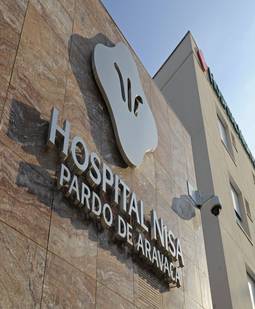
A modern (opened in 2007), general, private hospital located in Madrid, part of the NISA group of hospitals. The international patients department can assist patients with accomodation and trasportation, and can communicate in English as well as in Spanish.
This is a type of cancer that originates from the pigment-producing cells known as melanocytes located in the basal layer of the epidermis. Melanomas usually occur in the skin but in rare cases they may occur in the mouth, eyes and intestines. Melanomas may also develop from a mole. Most melanomas are brown or black although some are pink, skin-colored, red, blue, purple or white.
What causes melanoma?
Ultraviolet light (UV) exposure is the most common cause of melanoma. People with low levels of skin pigment are at high risk of developing melanoma when exposed to ultraviolet light from the sun or tanning devices. The genetic defect can also cause the skin cells to rapidly multiply forming malignant tumors.
Risk factors include:
Lots of freckles or moles
Red or blonde hair
A family history of melanoma
Pale skin that easily burns
Types of melanoma
Superficial spreading melanoma: This is the most common type of melanoma.
Nodular melanoma: This fast developing melanoma is common in middle-aged people. It can appear in areas not regularly exposed to the sun.
Lentigo maligna melanoma: It is most common in the elderly and people who spend most of their time outdoors. It mostly develops on the face and slowly over several years.
Acral lentiginous melanoma: This is a rare melanoma that appears on the soles of feet and on the palms of the hands. It is common in people with dark skin.
Diagnosis
If you notice any changes in your moles you should see a specialist.
A biopsy of the suspicious mole will be removed surgically and studied for cancer cells.
A sentinel node biopsy may also be done to check if the melanoma has spread to other body parts.
Treatment
The typical treatment of melanoma is removal by surgery. This is usually the case if it is diagnosed early.
If the diagnosis is late and the melanoma has spread, chemotherapy is usually used to slow cancer and manage symptoms.
Other treatments include biologic therapy, immunotherapy, or radiation therapy.
How can I prevent melanoma?
Avoid exposure to ultraviolet light and if exposure is unavoidable use sunscreen.
Check your freckles and moles regularly for any changes.
How to check for melanoma
Knowing your skin is an important part of diagnosing melanoma especially by recognizing any changes in the moles or freckles on your body. You should look for the ABCDE signs of melanoma and if there are one or more, you should see your doctor.
Asymmetry: If you draw a line through the middle and the two sides are not the same it is asymmetrical and this is a warning sign.
Border: The borders of melanoma are uneven and the edges may be notched and scalloped.
Color: Melanomas have a variety of colors and different shades of black, brown or tan may appear. The melanoma may also become white, blue or red.
Diameter: Melanomas usually have a large diameter. However, they may be smaller when first detected.
Evolving: Melanomas change or evolve over time. Any changes in shape, size or color should be a warning sign. Any new symptoms such as itching, crusting or bleeding should be of concern.
About Melanoma Treatment
Key facts to plan your treatment: how long it takes, your hospital stay, anaesthesia, risks and recovery.
Recovery
Information coming soon. Request a consultation for personalized recovery guidance. Get Quote →
After care
Information coming soon. Request a consultation for personalized recovery guidance. Get Quote →
 Private Hospital
 JCIPrice on request
 ISO