Key planning information for meniscectomy in India.
$1,100 fromLowest listed price
1–2 daysHospital stay
19 hospitalsList meniscectomy
Meniscectomy in India is listed from US$1,100 to US$2,500 at 19 hospitals. It needs 1 to 2 days in hospital. Each hospital quotes its own price for your case.
Prices last updated May 2017
Cost of Meniscectomy in India
Table of prices by type of procedure, in US$. Each hospital quotes its own price for your case.
Procedure
Minimum price
Maximum price
Meniscectomy
$1,100
$2,500
Price starting from $1,100 up to $2,500 · last updated May 2017.Final prices are quoted by each hospital
Hospitals and clinics offering Meniscectomy in India
Meniscectomy is listed by 19 hospitals in India. The order reshuffles every hour so each gets equal exposure.
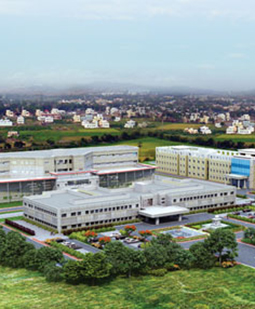
The flagship hospital of the Global Hospitals Group, which operates eight hospitals throughout India. The modern 500 bed hospital was opened in 2009, and offers advanced medical and surgical treatment, including organ transplantation, cardiac surgey and neurosurgy.
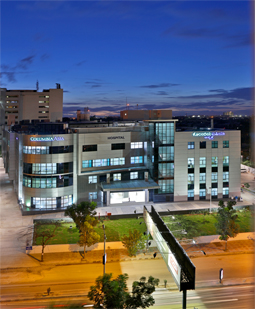
A modern 100 bed hospital opened in 2008, located in Gurgaon, outside of New Delhi.The hospital is a part of the Columbia Asia Group, which has an international patients office able to assist foreign patients with all aspects of medical travel.
A 200-bed facility located at Gateway Center in Northwest Bangalore. The hospital opened in 2008 and provides comprehensive tertiary-level services, such as cardiac operations, orthopedics and neuroscience, as well as secondary-level medical care.
DoctorsSRDr. Shankar R KurpadKKDr. Kamini KurpadView all 5
The Apollo Institutes of Orthopedics symbolises over 30 years of clinical excellence. The Institute is a pioneer in introducing many innovations in Orthopedic care in India.
DoctorsNSDr. Navaladi ShankarBCDr. B ChokkalingamView all 20
With comprehensive and joint care, Gleneagles Global Hospitals helps in restoring your sense of mobility. Gleneagles Global Hospitals have well equipped wards with global standard amenities to treat any condition.
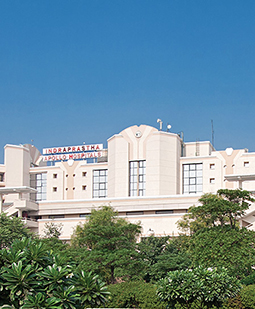
The Apollo Institutes of Orthopedics is regarded as one of the best & top orthopedics hospitals in India with a legacy of innovation and excellence.The Institutes are at the forefront in offering the latest in Orthopedic treatments and Orthopedic surgical advancements in India.
DoctorsHHDr. Harshavardhan HegdeVDDr. V. Daya Thirumala Rao
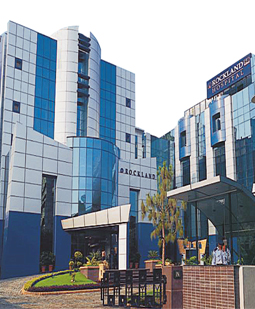
Rockland Hospital Qutab offers choice of selecting from economy rooms to most luxurious single rooms. It is well recognized and credited for its services. The hospital attracts more than 1500 international patients for their specialized medical care needs in a year.
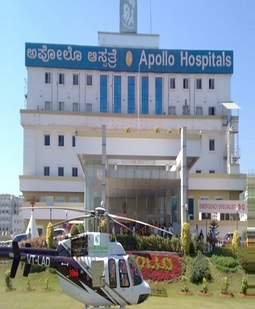
Apollo Bangalore is a modern, JCI accredited, multi-specialty hospital, capable of treating the most complex medical cases, including neurosurgy, bone marrow transplants, oncology and cardiac surgery. Apollo provides a full range of services for foreign patients.
DoctorsCBDr. Chandramouli BADDr. Arvind D PatilView all 7
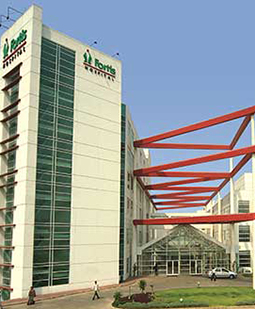
Located near Delhi, Fortis Hospital Noida is a Centre of Excellence for Orthopaedics and Neurosciences with a focus on Cardiac Sciences, Minimally Invasive Surgeries and Oncology.
DoctorsNKDr. Naresh KumarASDr. Alok SharmaView all 13
What is Meniscectomy?
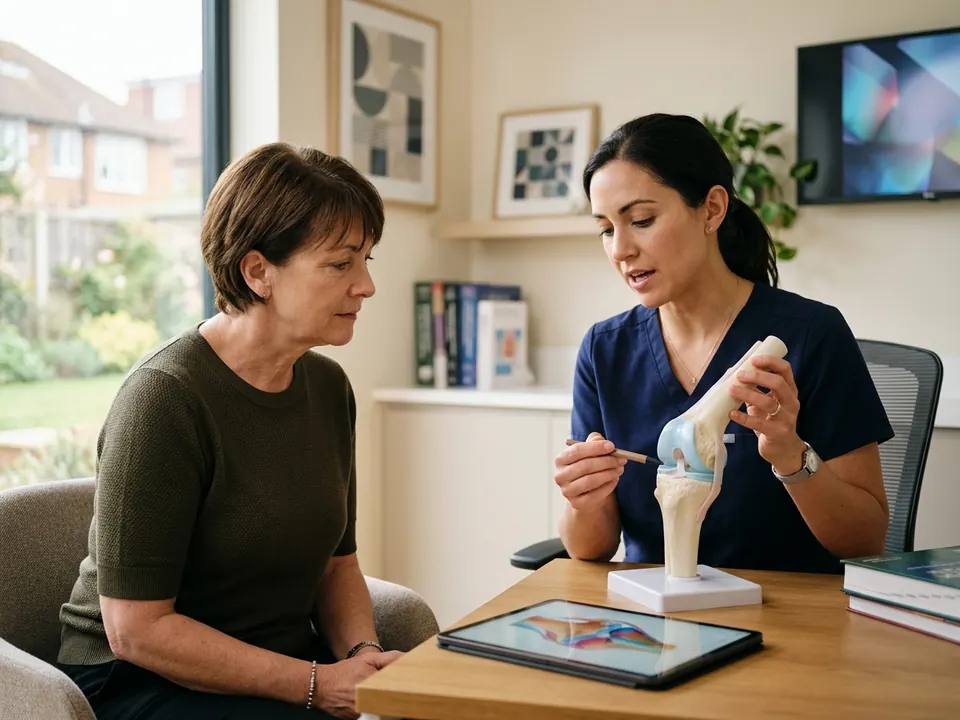
Meniscectomy is a surgical procedure in which a part or the entire torn meniscus that causes pain and interferes with knee activity is removed or repaired. Meniscectomy is performed by an orthopedic surgeon.
How is Meniscectomy Performed?
Meniscectomy is performed either by an open surgery or by an arthroscopic surgery. Arthroscopic surgery is more prevalent; however, an open surgery may be performed if it is difficult to find the torn meniscus or if adhesions are present.
Arthroscopic Meniscectomy
An arthroscope and a few surgical tools are inserted into the knee joint through tiny incisions.
An injection is given into the knee to enlarge the joint to provide a better view.
The knee is thoroughly examined to find the tear and any other injury along the interior curve of the meniscus.
The damaged portion of the torn meniscus is removed in a partial meniscectomy.
Tears along the external curve of the meniscus where there is a high amount of blood supply is stitched and repaired.
Any parts of cartilage that are avascular are also removed.
The arthroscope and the surgical tools are withdrawn.
The incision is closed with sutures.
Open Surgery Meniscectomy
An open incision is made on the knee joint to view and treat the internal structures.
The torn meniscus is removed and additional damaged structures are repaired.
The incision is closed with sutures or clips.
How to Prepare for Meniscectomy?
The patient is given full information about the surgical procedure.
The patient is physically examined to ensure that the patient is in a good condition to go through the surgery.
Physical therapy may be started so that the patient’s pain, activity levels, and knee strength are recorded. Accordingly, the patient is required to learn the exercises that need to be done after the surgery. During physical therapy, the patient will also learn how to use crutches or a walker.
The patient should inform the doctor about any ailments or medical conditions.
Smoking should be stopped at least a couple of weeks before the surgery to ensure quick healing and a successful result.
About Meniscectomy
Key facts to plan your treatment: how long it takes, your hospital stay, anaesthesia, risks and recovery.
Days admitted
Partial arthroscopic meniscectomy is done as an outpatient procedure.
Open surgery meniscectomy may require hospitalization for 1 to 2 days.
Anesthesia
General or spinal anesthesia
Recovery
- Most patients who are recovering from arthroscopic meniscectomy can begin to bear weight in 1 or 2 days after the surgery.
- The sutures are removed after one week.
- Patients may be able to do all activities after 2 to 4 weeks.
- Recovery varies from patient to patient. This depends on the severity of the injury, type of surgery, the overall health of the patient, and the preference of the surgeon.
- Physical therapy exercises will help the patient to recover sooner and improve the strength and motion of the knee.
Risks
- Nerve injury
- Degeneration of knee joint due to the removal of a large amount of tissue
- Infection
- Bleeding
- Blood clotting
- Blood vessel damage
- Severe pain
After care
- The patient should avoid all kinds of strenuous activities for many weeks after the surgery.
- Activities like kneeling, crawling, squatting, etc. should be avoided for a couple of weeks after the surgery. For some patients these activities may be permanently restricted.
- The patient should follow the doctor’s instructions carefully.
 Private Hospital

 JCI
 ISO