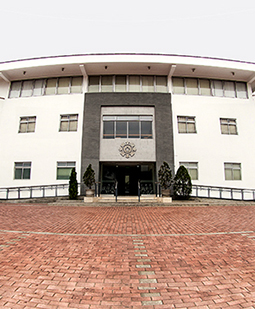
 Private Clinic
Lima, Peru
 JCIPrice on request
Clinica Anglo Americana is energetically involved in the diagnosis and treatment of diabetes and a wide range of endocrine diseases.
Metabolism is available at
Price
Contact for quote
Endocrinology care in Peru
Hospitals and medical centers in Peru who have Metabolism specialists.

Key planning information for metabolism in Peru.
Metabolism in Peru is priced per case at 1 hospital. Each hospital quotes its own price for your case.
Metabolism is listed by 1 hospital in Peru. The order reshuffles every hour so each gets equal exposure.
Private ClinicJCIPrice on requestClinica Anglo Americana is energetically involved in the diagnosis and treatment of diabetes and a wide range of endocrine diseases.
Metabolism is available at
These are all the chemical process that continuously takes place inside the body to keep your organs functioning. This includes breathing, digesting food and repairing cells.
Energy is necessary for these chemical processes to take place. The minimum amount of energy our body requires to carry out these chemical processes is called the basal metabolic rate (BMR).
The pathways of metabolism depend on nutrients that break down in order to produce energy. This energy is needed by the body in order to synthesize new proteins and nucleic acids such as DNA and RNA.
Food provides a number of essential substances for the building, maintenance and repair of body tissues and also for efficient body functioning. Essential nutrients in the diet include carbon, oxygen, hydrogen, phosphorous, nitrogen, sulfur and about 20 other inorganic elements. In addition, minerals, vitamins, and water are necessary.
Carbohydrates are supplied by foods in three forms; starch, sugar, and cellulose. Sugars and starches from the major sources of energy for humans. Fibers (cellulose) contribute to bulk in the diet.
Carbohydrates and sugars yield glucose by digestion or metabolism. Glucose is used b the body’s tissues for all activities.
The overall reaction for the combustion of glucose is written as:
Proteins are the main tissue/body builders in the body. They help in functions, cell structure, and enzymes to carry out vital reactions and hemoglobin formation to carry oxygen. Proteins also supply nitrogen for DNA and RNA production.
Proteins are necessary for nutrition because they contain amino acids. However, the body is unable to synthesize 8 amino acids called the essential amino acids. The essential amino acids include lysine, tryptophan, methionine, leucine, isoleucine, phenylalanine, valine and threonine.
Fats are concentrated sources of energy and they produce twice as much energy as either carbohydrates or protein on a weight basis. Essential fatty acids include unsaturated fatty acids such as linoleic, arachidonic and linilinic acids. These need to be taken in the diet. Fats serve several functions which include:
Minerals in foods do not directly contribute to the body’s energy needs. However, they play an important role in metabolic pathways in the body and as body regulators.
Important minerals include:
Key facts to plan your treatment: how long it takes, your hospital stay, anaesthesia, risks and recovery.
Common questions
Have a question? Get a free consultation.
Choose a hospital and send your enquiry to its international patient team. Each replies with its own price and plan.
Free consultation • No obligation