Neuroanesthesia is critical in the management of neurosurgical cases. A neuroanesthesiologist acutely cares for the patient through control of blood blow, blood pressure and energy consumption of the brain and spinal cord.
They have extensive training in brain and spinal cord physiology including metabolism and blood flow dynamics and the changes in the brain and spinal functions due to disease as well as of cerebral edema (swelling in the brain) and intracranial pressure (pressure that occurs within the cranium or skull).
Neurology specialists, neurosurgeons and neuro-anesthesiologists work closely together to provide a strong and comprehensive care to the patient and deliver the best neurocritical services.
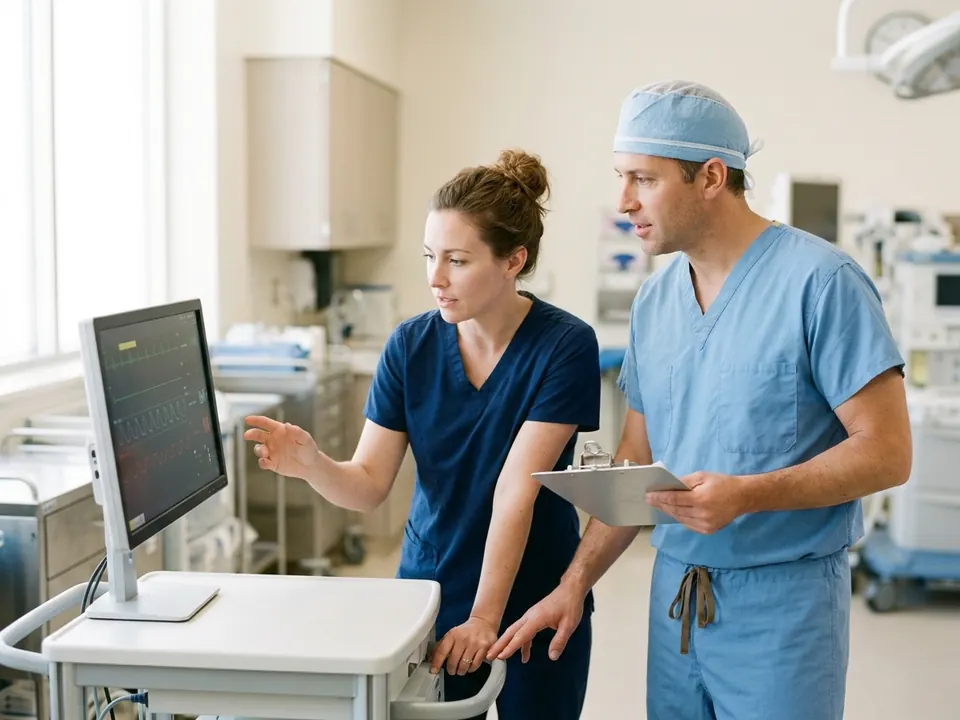
The neuroanesthesiologist assists in achieving optimal operating conditions for the neurosurgeon while ensuring the patient remains unconsciousness, has good brain blood flow and oxygen levels and receives the appropriate pain management during and after the procedure.
Sometimes a special mix of anesthesia is tailored to allow for spinal cord or brain monitoring as well as meeting the goals of surgery and anesthesia. In addition, if the neurosurgeon needs to have the patient awake, the neuroanesthesiologist has the expertise to create a special mix of sedatives and monitors to allow the surgery to proceed successfully.
Neuroanesthesia techniquesThe type of surgery being performed determines the type of anesthesia to be used. Neuroanesthesia techniques include:
- Evoked Potential Monitoring: This involves an electrical signal traveling through the nerves, spinal column and into the brain. It is used to monitor the neural pathways in your brain and spine while you are asleep. Various monitoring devices are used depending on the type of surgery being performed.
- Somatosensory Evoked Potential Monitoring (SEP Monitoring): This is used to monitor the function of your sensory pathways in the brain and spinal cord during surgery.
- Brainstem Auditory Evoked Potential Monitoring (BAEP): This is used to measure the brain wave activity in or around the auditory nerves in your brain.
- Motor Evoked Potential Monitoring (MEP monitoring): This is used to monitor the function of your muscle (motor) pathways in your brain and spinal cord during surgery. Induced hypothermia is usually done to prevent damage to your brain tissue.
- Sitting craniotomy: This is a surgery on the neck or brain that requires a patient to be in a sitting position. This position gives the surgeon a better view as well as minimizes blood loss. This procedure requires special anesthesia techniques and additional monitoring devices may be put in place to ensure a safe result.
Procedures that require a neuroanesthesiologist There are a variety of cases that require the need of a neuro-anesthesiologist. Some of this include:
- Extracranial vascular surgery
- Intracranial vascular surgery
- Aneurysms
- Arterio-venous malformations
- Benign intracranial tumors
- Malignant intracranial tumors
- Craniofacial surgery
- Craniofacial surgery
- Transsphenoidal pituitary surgery
- Posterior craniotomies
- Head trauma
- Pediatric neurosurgery
- Stereotactic and brain biopsy procedures
- Spinal surgery
- Occluded arteries
- Trauma
- Complex spinal procedures
- Brain tumors
- Acoustic neuroma
- Pituitary tumors
- Epilepsy surgery
- Neurovascular surgery
- Moyamoya disease
- Extracranial-intracranial bypass operation
- Movement disorder surgery
- Cerebral Aneurysm
- Trigeminal Neuralgia
- Chiari Malformation
- Craniosynostosis
- Spina bifida
- Scoliosis
- Stenting procedures
- Stroke
- Deep Brain Stimulation
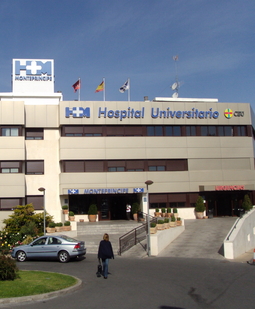
 Private Hospital

 JCI
 ISO