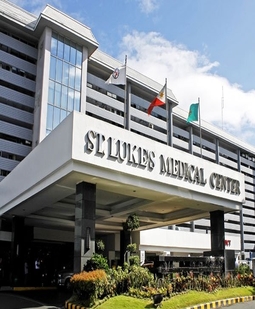
This multi-specialty tertiary medical centre is situated in Makati City, Philippines. It has been in operation for more than 35 years and has served patients from all over the Philippines as well as medical tourists from other countries.
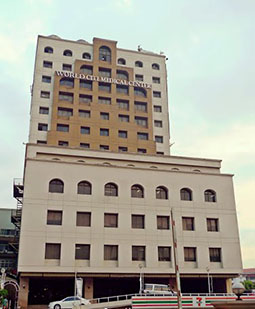
This medical centre in Manila, Philippines offers a wide array of services under the different fields and sub-specialties of the medical field. This privately owned tertiary hospital has been in operation for more than 50 years.
DoctorsVBDr. Vilma Bagay-SalcedoCCDr. Christine ConductoView all 9
A JCI accredited multi-specialty medical institute which has been serving patients from the Philippines and all over the world for over a century. It has over 600 inpatient beds and 1,700 affiliated medical consultants.
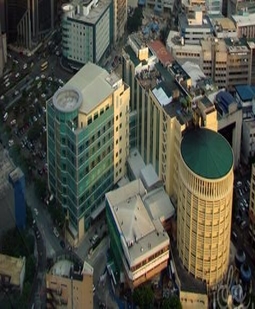
The Medical City is a private, tertiary care hospital, that is accredited by the JCI. It serves over 40,000 inpatients a year, making it one of the largest health care facilities in the Philippines.
DoctorsCADr. Cynthia A.AguirreAADr. Agnes A.Alarilla-AlbaView all 53
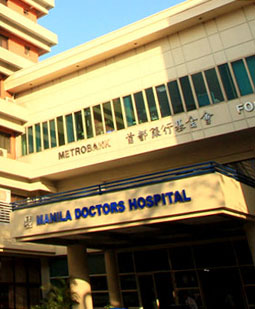
A tertiary hospital offers a wide range of medical services. It has the first and only medical hotel in the Philippines, and serves local and international patients alike.
This is a subspecialty of medicine that deals with skin condition affecting children.
Who is a pediatric dermatologist?
This is a medical doctor who has specialized in diagnosing, treating and managing skin diseases and conditions in infants, children, and adolescents. They understand that children’s skin is unlike adult skin and use their expertise to provide the best care for your child.
Common conditions
Molluscum contagiosum: This is a benign viral infection of the skin caused by a human-specific poxvirus. Infection is through contact with an affected person or after autoinoculation. The condition presents as multiple dome-shaped papules with a central depression which appear on the trunk areas. Molluscum contagiosum is common to children who are immunosuppressed or who bathe or swim together. Because the condition is usually benign and usually resolves by itself, treatment is usually not necessary
Viral warts: These are benign skin proliferations caused by a virus known as the human papillomavirus. Viral warts increase and peak in adolescence but thereafter decline. Viral warts usually appear on the hands and feet. Viral warts spontaneously resolve in healthy children. Resolution sometimes occurs after the appearance of blackened capillary loops.
Most warts spontaneously resolve within two years. However, some may persist and become enlarged and painful. Treatments such as topical salicylic acid, cryotherapy, intralesional bleomycin, topical immunotherapy, pulsed dye laser and photodynamic therapy are available but should only be used for resistant and painful cases.
Types of warts
Common warts: They begin as smooth flesh-colored papules which become bigger and develop a surface of thickened keratin. They can occur at injury sites.
Plantar warts (verrucae): They occur on the soles of feet and slightly protrude. They can be painful and they are often surrounded by a collar of keratin.
Mosaic warts: They occur as a collection of small, densely packed individual warts and are often resistant to treatment.
Plane warts: They are flat topped papules which are scattered over the arms, legs and face.
Impetigo
This condition occurs as golden crusted lesions which are highly contagious. It rapidly spreads through direct contact. Impetigo occurs as a primary infection or due to another condition such as scabies or atopic dermatitis. It is common in children living in tropical climates or those with atopic dermatitis. Poor hygiene and overcrowding also increase the chances of infection. Topical antiseptics and topical and systemic antibiotics may be prescribed by your doctor. Oral antibiotics may be used in severe cases.
Tinea capitis (scalp ringworm)
This is a highly contagious scalp infection caused by a fungus. It occurs predominantly in children and is common in the poorest countries. Microsporum Canis is the commonest cause of tinea capitis. Practices such as sharing items used on the scalp increase its spread.
Variations of tinea capitis
Grey type: characterized by circular patches with marked scaling.
Moth-eaten: characterized by patchy alopecia that is generally scaly.
Kerion: characterized by boggy tumor with pustules
Black dot: patchy alopecia with broken hair stubs
Diffuse scale: characterized by dandruff-like appearance with widespread scaling
Pustular type: characterized by alopecia with scattered pustules.
About Pediatric Dermatology
Key facts to plan your treatment: how long it takes, your hospital stay, anaesthesia, risks and recovery.
Recovery
Information coming soon. Request a consultation for personalized recovery guidance. Get Quote →
After care
Information coming soon. Request a consultation for personalized recovery guidance. Get Quote →

 Private Hospital
 JCIPrice on request
 ISO