Our Pediatric Area features the latest techniques and the most advanced treatments to care for children. We also have a new Pediatric Emergencies 24 hours. For us, avoid the pain of children is a priority and we use modern diagnostic tests to minimize analytical.
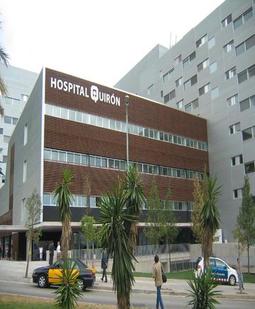
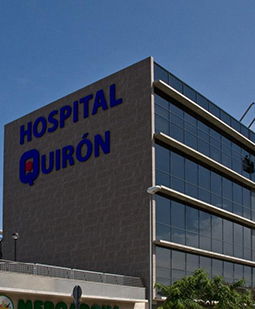
With more than 36 medical specialties, 200 physicians and surgeons of the highest level, Quironsalud Hospital Malaga is one of the most pertinent hospitals in Spain.
The Pediatrics Department remains committed to providing safe, effective and appropriate services to all pediatric medical and surgical patients, resulting in quality patient outcomes and early discharge.
An ISO certified modern private hospital, which was opened in 2006, and is part of the Quironsalud Hospital Group. This tertiary care hospital has certified medical specialties capable of treating the most complicated medical cases.
DoctorsFCDr. Fernando CabañasJCDr. Juan Carlos López Gutiérrez
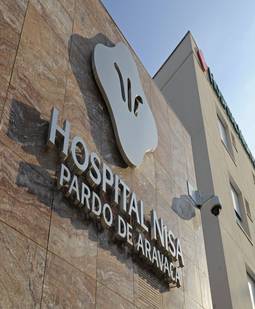
A modern (opened in 2007), general, private hospital located in Madrid, part of the NISA group of hospitals. The international patients department can assist patients with accomodation and trasportation, and can communicate in English as well as in Spanish.
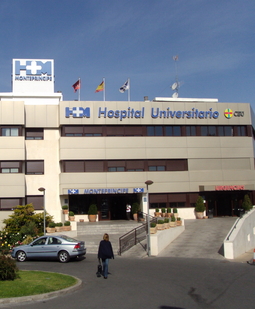
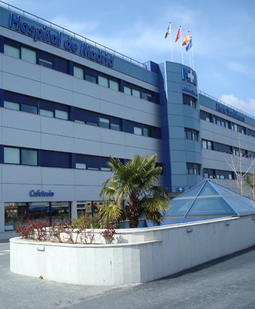
HM Hospitales is a hospital group with six private hospitals in Madrid: three general hospitals, a cardiovascular hospital, an oncological center and a women's health hospital.
The Pediatrics Department remains committed to providing safe, effective and appropriate services to all pediatric medical and surgical patients, resulting in quality patient outcomes and early discharge.
The Pediatric Surgery is based on the need to apply specific diagnostic and therapeutic techniques consistent with the different physiological behavior of the child's organism , both in normal and pathological conditions.
This is a subspecialty of medicine that focuses on the diagnosis, treatment, and management of diseases and disorders of the nervous system in infants, children and adolescents. This includes the brain, spine, and spinal cord.
Who is a pediatric neurologist?
This is a medical doctor who has special training in treating disorders involving the nervous system in infants, children, and adolescents.
Training
Pediatric neurologists have completed 4 years of medical school, at least 1 year of residency in pediatrics and at least 3 years of residency in adult and pediatric neurology.
Why see a pediatric neurologist?
Pediatric neurologists have the special training that allows them to deal with pediatric patients and provide them with the best care possible. They have great knowledge and understanding of pediatric nervous system disorders.
They collaborate with other doctors and professionals to ensure that the overall care is comprehensive. These include dieticians, primary care physician, speech therapists and other pediatric specialists.
Conditions treated
Seizure disorders such as febrile convulsions, seizures in newborns and epilepsy
Weakness including cerebral palsy, muscular dystrophy, and nerve-muscle disorders
Behavioral disorders such as attention-deficit or hyperactivity disorder (ADHD), autism and sleep problems
Developmental disorders such as developmental delay, delayed speech, motor milestones, and coordination issues
Medical aspects of brain tumors and head injuries
Brain injuries including concussions
Headaches, including migraines
Hydrocephalus
Cerebral palsy
Neurogenetic disorders
Stroke
Neurofibromatosis
Tests and procedures performed include:
Electroencephalogram (EEG): This is a noninvasive and pain-free test which measures brain signals using special sensors attached to the head. This test determines the cause of seizures as well as pinpoints various neurological conditions.
Electromyography (EMG): This test assesses the health f the nerves controlling the muscles and the muscles. A needle is inserted into the muscle and electrical activity when nerves are stimulated is observed. The electrical activity is displayed on an oscilloscope. This test assists the doctor to differentiate primary muscle conditions from muscle weakness due to neurological disorders.
Nerve conduction velocity test: This test is usually performed in conjunction with an EMG to evaluate the speed of conduction of impulses through a nerve. Electrodes are placed on the skin to stimulate the nerves with mild electrical impulses. This test is used to diagnose and evaluate nerve destruction and damage.
Evoked potential tests: These tests gauge the transmission of electrical signals within the spinal cord and brain. It is used to diagnose conditions such as multiple sclerosis. Lumbar puncture: This test measures the intercranial pressure. The test can also be sued to remove cerebrospinal fluid for further laboratory testing. A small needle is inserted between the lumbar vertebrae and pressure measurements are taken or cerebrospinal fluid is removed. The test is used to determine if a headache and vision problems are due to increased pressure.
Sleep tests: Sleep studies record your child’s physical state at various stages of wakefulness and sleep. A sleep test is also referred t as a polysomnogram. It provides information that is useful in diagnosing sleep problems.
Radiology tests: These are tests that produce images of the inside of the body. They are also called imaging tests. They use various energy forms which are passed through the body to produce the images.
About Pediatric Neurology
Key facts to plan your treatment: how long it takes, your hospital stay, anaesthesia, risks and recovery.
Recovery
Information coming soon. Request a consultation for personalized recovery guidance. Get Quote →
After care
Information coming soon. Request a consultation for personalized recovery guidance. Get Quote →

 Private Hospital
 JCIPrice on request

 ISO