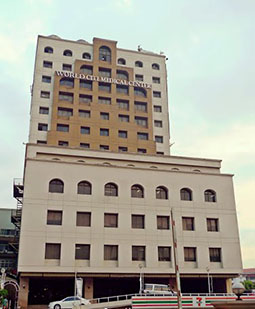
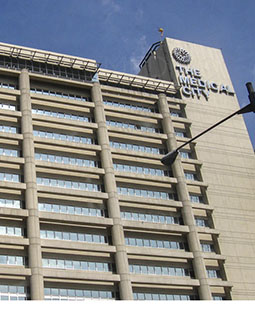
This multi-specialty tertiary medical centre is situated in Makati City, Philippines. It has been in operation for more than 35 years and has served patients from all over the Philippines as well as medical tourists from other countries.
The Medical City is a private, tertiary care hospital, that is accredited by the JCI. It serves over 40,000 inpatients a year, making it one of the largest health care facilities in the Philippines.
DoctorsCADr. Cynthia A.AguirreAADr. Agnes A.Alarilla-AlbaView all 53
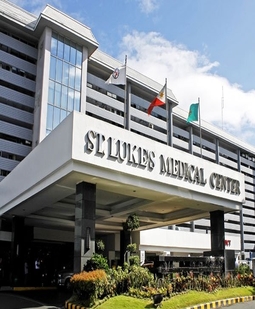
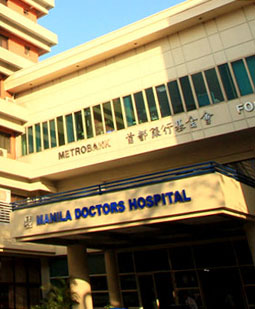
This medical centre in Manila, Philippines offers a wide array of services under the different fields and sub-specialties of the medical field. This privately owned tertiary hospital has been in operation for more than 50 years.
DoctorsVBDr. Vilma Bagay-SalcedoCCDr. Christine ConductoView all 9
A tertiary hospital offers a wide range of medical services. It has the first and only medical hotel in the Philippines, and serves local and international patients alike.
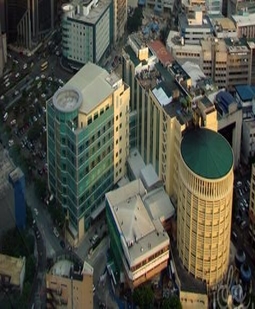
A JCI accredited multi-specialty medical institute which has been serving patients from the Philippines and all over the world for over a century. It has over 600 inpatient beds and 1,700 affiliated medical consultants.
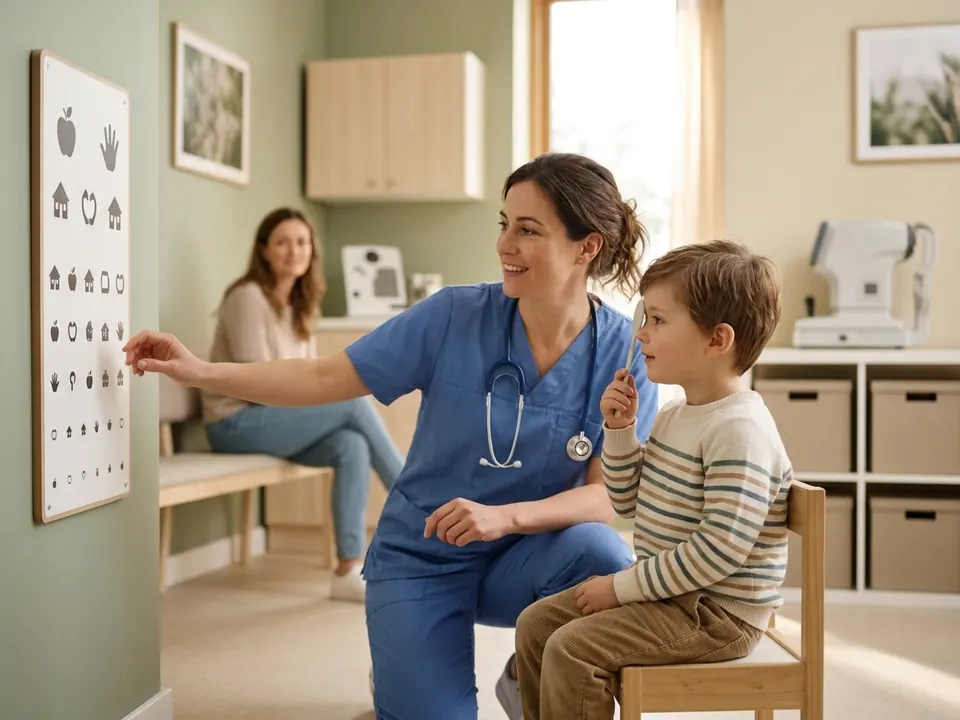
This is a sub-specialty of medicine that deals with diseases of the eye, vision care and visual development in infants, children, and adolescents.
Why see a pediatric ophthalmologist?
In addition to the medical expertise needed to treat eye disease and disorders in children, pediatric ophthalmologists have further training in examining children. They also have the most knowledge of possible conditions that affect children.
They focus on the visual system’s development and a range of diseases that affect visual development in children. Pediatric ophthalmologists can perform complex surgical procedures of the eye. In other cases, they manage eye problems in children using medications and glasses.
Training
Pediatric ophthalmologists are medical doctors who have completed 4 years of medical school, 1 year of internship, a 3-year residency program and at least 1-year fellowship in pediatric ophthalmology.
Conditions treated
Infections: Such as conjunctivitis
Strabismus: This is a misalignment of the eyes which is commonly known as crossed eyes because of the inward turning gaze. It is often associated with amblyopia. Strabismus also applies to other misalignments such as downward, upward or outward turning eye.
Amblyopia: This is when the vision in one eye is considerably better than the other eye. Amblyopia is also called a lazy eye.
Refractive errors: These include nearsightedness (myopia), farsightedness (hyperopia) and astigmatism.
Genetic disorders
Retinopathy of prematurity
Blocked tear ducts
nystagmus
Ptosis
Pediatric cataracts
Visual inattention
Abnormal vision development
Pediatric glaucoma
Congenital malformations
Orbital tumors
Accommodative insufficiency
Preferred head postures also referred to as torticollis
Asthenopia and convergence insufficiency
Evaluation of visual issues in education such as attention deficit disorder and dyslexia
Examinations done by pediatric ophthalmologists
Vision assessment: Different methods are used by pediatric ophthalmologists to test a child’s eyesight. The age is what determines which test will be used to assess vision.
Motility examination: This test is required for effective planning of medical and surgical management of strabismus. It uses quantitative measurements of ocular misalignment.
Determination of refractive error: This test is done after dilation to determine an objective measurement. It determines if there is a need for glasses and if so how strong they need to be.
Biomicroscopy and dilated fundus examinations: This investigates the presence of eye diseases related to systemic diseases such as neurologic pathology, diabetes, genetic abnormalities, glaucoma, and cataracts.
Examination under anesthesia (EUA): This is used to diagnose and treat children who are unable to get adequate examination or treatment in the doctor’s office.
Treatments provided by pediatric ophthalmologists include:
Medical treatments: these include medicines such as antibiotics, antiviral and steroids.
Prescriptions for glasses
Prescription for contact lenses.
Amblyopia therapy
Occlusion therapy: This involves using techniques which encourage the brain to pay attention to the weaker eye. It also corrects significant refractive errors.
Patching
Topical therapy
Systemic therapy
Surgical Procedures: These include excision of chalazia, probe, as well as irrigation for congenital nasolacrimal duct obstruction also referred to as blocked tear duct, eye muscle surgery for strabismus and pediatric cataract extraction including the use of intraocular lenses.nts.
About Pediatric Ophthalmology
Key facts to plan your treatment: how long it takes, your hospital stay, anaesthesia, risks and recovery.
Recovery
Information coming soon. Request a consultation for personalized recovery guidance. Get Quote →
After care
Information coming soon. Request a consultation for personalized recovery guidance. Get Quote →
 Private Hospital
 JCIPrice on request
 ISO