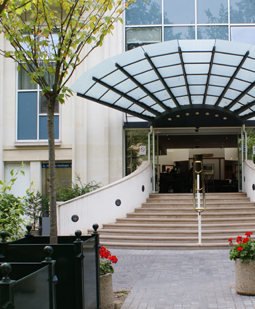
In 2006, the clinic was acquired by an independent group Hexagone Hospitalisation, expanding and doubling its capacity to more than 200 beds.Clinique Ambroise Paré is a leader in chemotherapy, dialysis and In-Vitro Fertilization and is the first private facility
What is PGD?
PGD (Preimplantation Genetic Diagnosis) is also referred to as embryo screening and is a procedure used on embryos before implantation, to screen for a variety of disorders. The most common disorders in question include cystic fibrosis, sickle cell disease, Huntington's disease and spinal muscular atrophy.
PGD is a procedure used alongside IVF and is carried out in order to increase the likelihood of an ongoing pregnancy and to prevent an inherited condition being passed on to the child.
PGD is also sometimes used for sex selection.
How is PGD carried out?
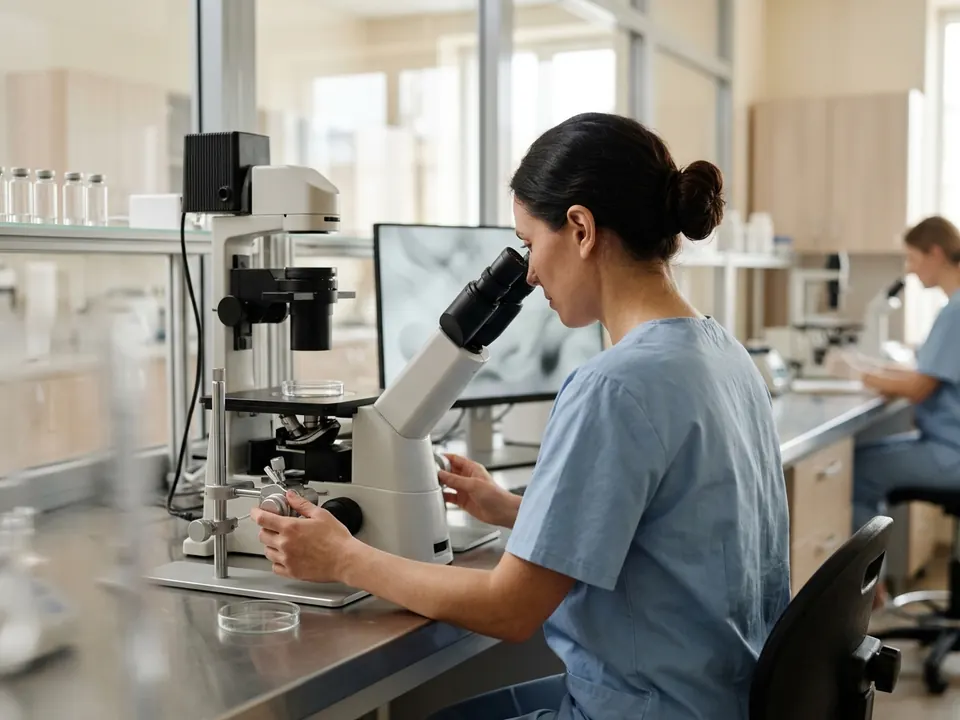
The woman undergoes IVF in order to collect eggs and fertilize them with the man’s sperm in a laboratory. The embryo develops in the laboratory for two to three days after which one or two cells are removed for genetic testing. The embryos that are found healthy from genetic diseases are transferred to the womb. Any unused embryos may be frozen for future use.
What affects the chances of success of a PGD procedure?
While there is little data available on the success rates of PGD, many factors can affect its success.
The age of the woman (the younger the woman, the higher the chances of success)
The underlying cause of infertility
Lack of embryos available to be transferred to the womb (for reasons of not enough eggs, damaged embryos or lack of viable embryos)
Is PGD legal in all countries?
PGD is a controversial technique and is not offered at all health centers. In many countries PGD is prohibited, in others it is controlled by the state.
About PGD
Key facts to plan your treatment: how long it takes, your hospital stay, anaesthesia, risks and recovery.
Duration of surgery/treatment
The PGD procedure, where the embryo is diagnosed, takes a few days. One full cycle of IVF takes around 4 to 6 weeks in total, including the PGD procedure.
Days admitted
None.
Anesthesia
PGD doesn’t require any anesthesia. Egg collection for the IVF process takes place under a sedation anesthesia, or a general anesthesia.
Recovery
There is no recovery period for PGD and you are able to carry out your normal activities after leaving the clinic.
Risks
Risks for PGD combined with IVF are similar to risks associated with IVF treatment.
Risks include:
- Damage to embryos through the cell removal process.
- PGD testing may not be 100 percent conclusive.
- Reaction to fertility drugs including hot flashes, mood change and headaches.
- Cramps and a small amount of bleeding may occur after egg collection.
- Ovarian hyper-stimulation syndrome.
- Ectopic pregnancy.
- Multiple births.
After care
- Monitor any side effects arising from IVF fertility drugs and consult your doctor if you are experiencing problems.
- Take painkillers if you have cramping following egg collection.
 Private Hospital