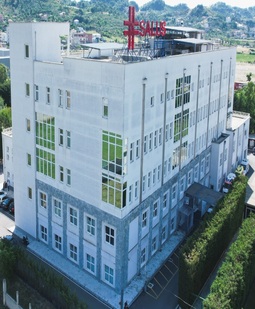
Private HospitalAt a glance
Key planning information for scleroderma treatment in Albania.
Scleroderma Treatment in Albania is priced per case at 1 hospital. Each hospital quotes its own price for your case.
Hospitals and clinics offering Scleroderma Treatment in Albania
Scleroderma Treatment is listed by 1 hospital in Albania. The order reshuffles every hour so each gets equal exposure.
Private HospitalDescription of Scleroderma Treatment:
What is Scleroderma?
This is an uncommon chronic condition characterized by the hard thick skin. In severe cases, it affects the internal organs and blood vessels of the body.
Scleroderma results from the immune system attacking the tissue under the skin and around blood vessels and internal organs. This causes thickening and scarring of the tissue in the affected areas.
Types of scleroderma
- Localized scleroderma: This is the mild form of the condition and it just affects the skin. Localized scleroderma can be further classified depending on exactly how it affects the skin.
- Morphoea: This is characterized by oval patches on the skin that are discolored, and are usually itchy. The patches may be hairless and shiny and may improve after a few years.
- Linear: This is characterized by thickened skin which occurs in lines along the legs, arms, face or scalp. In some cases, it affects the underlying muscle and bone. It may cause permanent problems like shortened limbs.
Systemic sclerosis
- This form of the condition is more serious and can affect the skin and internal organs. It is further classified into:
- Limited cutaneous systemic sclerosis: This mainly affects the face, hands and arms. It is characterized by the deposition of calcium nodules on the skin (calcinosis), exaggerated vasoconstriction in the hands( Raynaud's phenomenon), difficulty swallowing( esophageal dysfunction),thickening of the skin in fingers(sclerodactyly), dilated capillaries on hands, face and mucous membranes(telangiectasias).
- Diffuse systemic sclerosis: This form progresses rapidly and affects the skin and internal organs such as the heart, lungs, kidneys and esophagus.
Signs and symptoms
- Cardiovascular: Irregular heartbeat, Raynaud’s phenomenon, congestive heart failure, palpitations, and telangiectasis.
- Pulmonary: Chest pain, shortness of breath, dry persistent cough.
- Digestive: Bloating, indigestion, gastroesophageal reflux disease, loss of appetite and sicca syndrome.
- Genitourinary: Kidney failure, scleroderma renal crises, dyspareunia and erectile dysfunction.
- Musculoskeletal: Carpal tunnel syndrome, muscle weakness, muscle aches and loss of joint range of motion.
- Others: Hand paraesthesias, headache, fatigue, stroke, calcinosis, weight loss and facial pain.
Treatment
- Scleroderma has no cure and treatment is aimed at relieving symptoms, preventing worsening of the condition and treating complications.
Common treatments include:
- Medicine to improve circulation of blood
- Medicines the reduce the immune system’s activity to slow the conditions progression
- Medication such as steroids to relieve joint and muscle aches
- Use of moisturizers on affected skin to relieve itchiness
- Medications to relieve other symptoms such as heartburn, pain, and hypertension
- In severe cases surgery may be required to remove hard lumps under the skin or to loosen tight muscles.
Managing scleroderma
- There are various changes in lifestyle and therapies that can reduce the scleroderma’s impact on your life.
- Physiotherapy and regular exercise can be done to keep the muscles supple and to loosen tight skin.
- You can make changes in your home and get equipment to make life easier.
- You can keep your hands and feet warm by wearing thick gloves if affected by Raynaud’s phenomenon.
- Eating healthy and balanced foods.
- Smoking should be stopped to control blood pressure and improve circulation.
About Scleroderma Treatment
Key facts to plan your treatment: how long it takes, your hospital stay, anaesthesia, risks and recovery.
Get Quote →
Get Quote →
Patient reviews
Reviews coming soon.
Common questions
Frequently asked questions
Have a question? Get a free consultation.
Ready to compare scleroderma treatment hospitals in Albania?
Choose a hospital and send your enquiry to its international patient team. Each replies with its own price and plan.
Free consultation • No obligation