Campus Bio-Medico University Hospital has areas of healthcare, education, science, research, and innovation in the biomedical and health fields—both clinical and translational—it pursues the goal of safeguarding and enhancing the human person
This is a medical disorder of the sleep patterns. It is also known as somnipathy. Severe sleep disorders can interfere with the normal mental, physical, emotional and social functioning of a person.
Common sleep disorders include:
Insomnia disorder (primary insomnia): This is a chronic difficulty in falling asleep and/or maintaining sleep
Catathrenia: This is nocturnal groaning during prolonged exhalation.
Delayed sleep phase disorder (DSPD): This is the inability to wake up or fall asleep at socially acceptable times.
Restless legs syndrome (RLS): This is an irresistible urge to move legs.
Idiopathic hypersomnia: This is a primary, neurologic cause of long-sleeping
Bruxism: This is a condition where a person involuntarily grinds or clenches the teeth while sleeping.
Kleine–Levin syndrome: This is a rare disorder characterized by cognitive or mood changes or persistent episodic hypersomnia
Narcolepsy: This is a condition where you fall asleep spontaneously but unwillingly at inappropriate times.
Hypopnea syndrome: This is the abnormally slow respiratory rate or shallow breathing while sleeping.
Sleepwalking: This is the engaging in activities normally associated with wakefulness that may include walking, without the conscious knowledge of doing so
Night terror: This is a sleep terror disorder whereby you abruptly awaken from sleep with behavior consistent with terror.
Nocturia: This is a frequent need to get up and urinate at night.
Sleep paralysis: This is characterized by temporary paralysis of the body shortly before or after sleep.
Parasomnias: This is the disruptive sleep-related events which involve inappropriate actions during sleep such as night terrors, sleepwalking, and catathrenia.
Periodic limb movement disorder (PLMD): This is the sudden involuntary movement of arms and/or legs during sleep such as kicking the legs.
Sleep apnea: This is the obstruction of the airway during sleep, which causes lack of sufficient deep sleep and is often accompanied by snoring.
Rapid eye movement sleep behavior disorder (RBD): This is the acting out of violent or dramatic dreams while in REM sleep, sometimes injuring bed partner or self
Shift work sleep disorder (SWSD): This is a situational circadian rhythm sleep disorder
Somniphobia: This is a fear or dread of falling asleep.
Types of sleep disorders
Dyssomnias: These include a wide category of sleep disorders characterized by either insomnia or hypersomnia.
Parasomnias: This is a category of sleep disorders which involve abnormal as well as unnatural movements, emotions, behaviors, perceptions and dreams with regard to sleep.
Circadian rhythm sleep disorders: This includes delayed sleep phase disorder, non-24-hour sleep–wake disorder and advanced sleep phase disorder.
Sleeping sickness: This is a parasitic disease transmitted by the tsetse fly.
Medical or psychiatric conditions that may produce sleep disorders such as mood disorders, alcoholism, and psychosis.
Signs and symptoms of sleep disorders
Difficulty staying awake while sitting still, reading or watching television
Feeling irritable or sleepy during the day
Difficulty concentrating
Having trouble controlling emotions
Falling asleep or feeling fatigued when driving
Reacting slowly
Requiring caffeinated beverages to keep awake
Feeling like taking a nap almost everyday
What is the treatment for sleep disorders?
Behavioral and psychotherapeutic treatment
Rehabilitation and management
Medication
Other somatic treatment
About Sleep disorders
Key facts to plan your treatment: how long it takes, your hospital stay, anaesthesia, risks and recovery.
Recovery
Information coming soon. Request a consultation for personalized recovery guidance. Get Quote →
After care
Information coming soon. Request a consultation for personalized recovery guidance. Get Quote →
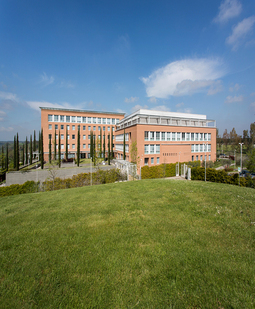 University Hospital
 JCIPrice on request