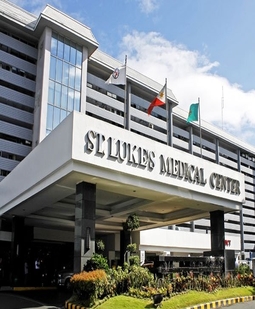
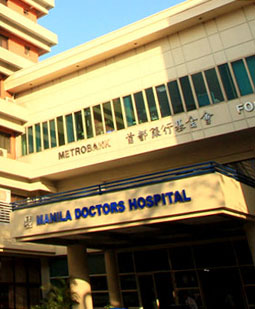
This medical centre in Manila, Philippines offers a wide array of services under the different fields and sub-specialties of the medical field. This privately owned tertiary hospital has been in operation for more than 50 years.
DoctorsACDr. Annabell C.ChuaECDr. Eric C.LegaspiView all 4
This multi-specialty tertiary medical centre is situated in Makati City, Philippines. It has been in operation for more than 35 years and has served patients from all over the Philippines as well as medical tourists from other countries.
A JCI accredited multi-specialty medical institute which has been serving patients from the Philippines and all over the world for over a century. It has over 600 inpatient beds and 1,700 affiliated medical consultants.
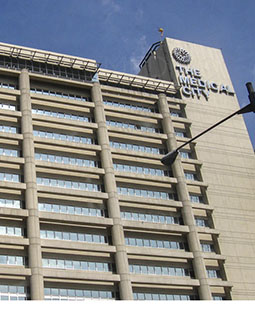
The Medical City is a private, tertiary care hospital, that is accredited by the JCI. It serves over 40,000 inpatients a year, making it one of the largest health care facilities in the Philippines.
DoctorsBBDr. Bienvenido B.AldaneseNMDr. Normando M.BitangaView all 10
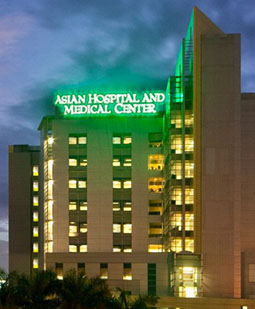
The highly efficient teams at Asian Hospital and Medical Center's Neurosurgery Departments across the country perform complicated procedures like Brain & Spine Surgery, deep brain stimulation, skull base surgery, neurovascular surgery.
DoctorsJGDr. Joel Gabriel ColasitoEDDr. Eusebio DebuqueView all 8
This procedure is performed on the spinal column for a number of complications. It is intended to restore usability of the spine and its structures. One of these complications is a pinched nerve. The surgery is intended to correct any deformities that may impede normal function of the spinal cord.
Diagnosis
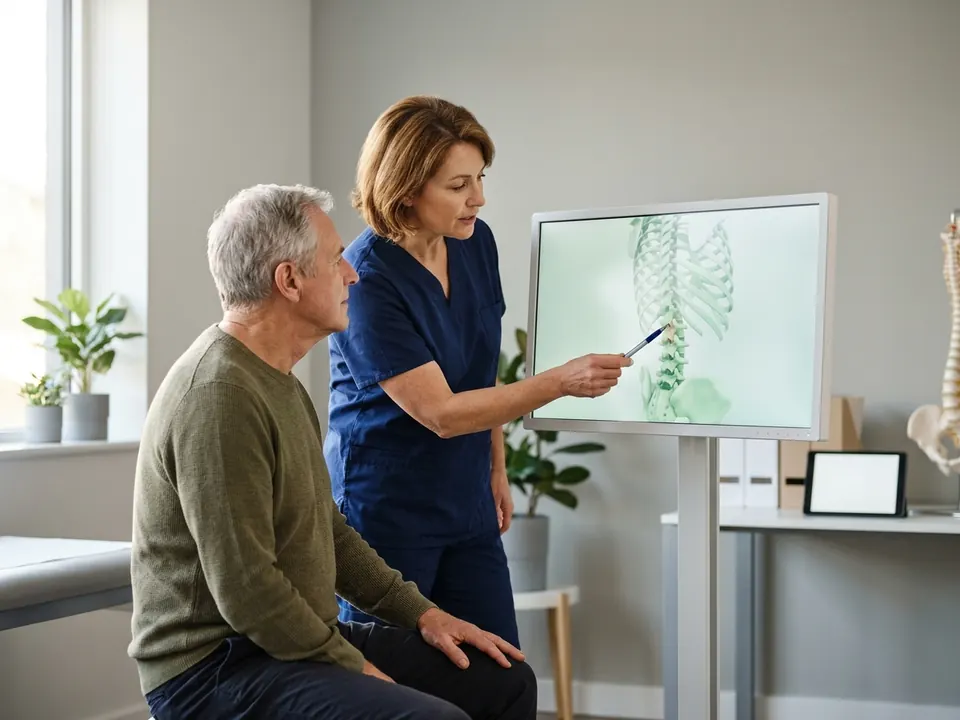
Diagnosing spinal disorders is a long and complex process. It involves soft tissue imaging and other techniques. The main imaging technique used is an MRI. A CT scan is also used if the need arises.Besides that, the doctor examines the patient’s medical history and does other tests. These are done to rule out the likelihood of it being something else. Once that is done, the doctor may perform a background study into the patient’s occupation. All these factors help to determine if surgery is needed.
Treatment
Treatment for spinal complications depends on the specific complication. For instance, in the case of a herniated disc, spinal surgery is performed to remove all material that is causing the complications. This will then entail the space being filled with bone from another part or with a titanium piece. If the patient is suffering from nerve compression, an operation is performed to shave off part of the bone causing this. Nerve compression usually causes unbearable pain. The aim is to relieve as much pain as possible.
Spinal surgery can either take place through the front or the back. If the operation involves a herniated disc, surgeons prefer to go through the front. As a result, he/she is not faced with having to encounter nerves unnecessarily. However, surgery may also go through the back if it is required.
About Spinal Surgery
Key facts to plan your treatment: how long it takes, your hospital stay, anaesthesia, risks and recovery.
Duration of surgery/treatment
Due to the invention of minimally invasive techniques, patients only need to stay in the hospital for a day. However, they may have to stay longer if the surgery was complex. This assists the doctor d
Recovery
Recovering from spinal surgery does not take long. Depending on why the surgery was needed, patients will notice that symptoms begin to fade. However, the first few days after surgery can be painful. After the wounds heal, the patient will be able to go back to their normal routine. However, sometimes this may not be possible. This is especially if the patient’s work involved lifting heavy loads. Additionally, athletes may have to switch careers.
Risks
As with any surgery, the patient’s risks getting an infection. However, this risk is reduced due to the use of minimally invasive techniques. In addition, there is the danger of lifelong paralysis. The risk of being crippled should be seriously considered. Besides that, spinal surgery carries the serious risk of death. This is especially if it takes place on the upper part of the spine.
After care
Continuing to engage in strenuous activity puts the person’s life at risk. A person should also walk around with a cane to avoid too much pressure on the spine. Diet should also be an important consideration. It will help to quicken the healing process.
 Private Hospital
 ISO
 JCI