Key planning information for this type of hydrocephalus treatment in South Korea.
On requestQuoted per case
2 hospitalsList Hydrocephalus Treatment
3 typesOf hydrocephalus treatment
Spinal Tap in South Korea is priced per case; 2 hospitals in South Korea list Hydrocephalus Treatment. Each hospital quotes its own price for your case.
About this procedure
Spinal tap is also referred to as lumbar puncture. In this procedure a thin needle is inserted between the bones in the lower spine region to remove the cerebrospinal fluid. Once the fluid is collected, the needle is removed and the area is bandaged. The collected fluid may be sent for lab testing.
How to Prepare for Spinal Tap
The patient may need to give some blood tests.
The patient should inform the doctor about any medical conditions and illnesses and medication that the patient may be taking.
Some medication that the patient is taking may be stopped
Key facts to plan your treatment: how long it takes, your hospital stay, anaesthesia, risks and recovery.
Duration of surgery/treatment
Approximately 30 minutes.
Days admitted
None. Spinal tap is performed as an outpatient procedure.
Anesthesia
Spinal anesthesia.
Recovery
- The patient is required to lie flat on the back for some while to reduce the chances of headaches. - The puncture area may be painful for 1 to 2 days.
Risks
The risks associated with spinal tap are minimal. They include the following: - Infection - Bleeding - Headache - Herniation - Epidermoid cyst
After care
- The puncture site should be monitored for any sign of infection. The doctor should be contacted if the following symptoms occur: - Infection symptoms that include swelling, redness, pus formation and tenderness. - Headache
Hospitals in South Korea offering Hydrocephalus Treatment
These hospitals list Hydrocephalus Treatment in South Korea; ask any of them to quote Spinal Tap for your case. The order reshuffles every hour so each gets equal exposure.
The Samsung Medical Center plans to achieve medical innovation in the future to promote the happiness of patients and develop into a global hub of biohealth care study and link the industry by connecting to hospital-R&D Center-school and enterprises.
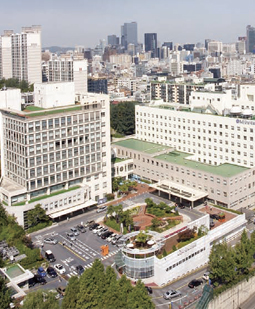
Yonsei University Health System (YUHS) was founded in 1885 as the first modern medical institution in Korea by the American medical missionary, Dr. Horace N. Allen.
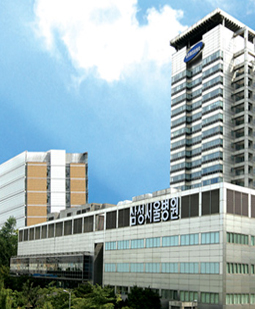 Samsung Medical Center
 ISOPrice on request
 JCI