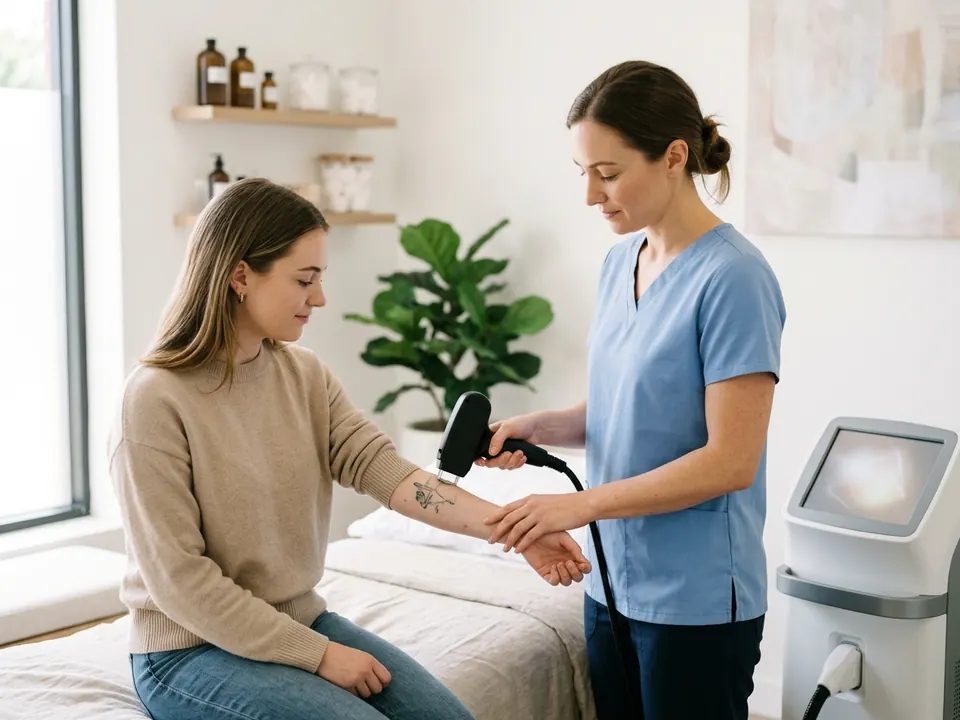
What is Tattoo Removal?
Tattoo removal is a procedure for removing unwanted tattoos, or permanent body art designs, from the skin.
What are the options for removing unwanted tatoos?
The most common tattoo removal procedures are:
Laser surgery: Energy from a laser is applied to the tattoo in order to heat and break up the tattoo ink. Different wavelengths of light may be used for different colors.
Dermabrasion: The tattoo is numbed and the skin is eroded by an abrasive brush or wheel. The tattoo ink seeps from the skin.
Surgical removal: The surgeon removes the tattoo with a scalpel and stitches up the skin.
What are the chances of success for removing a tattoo?
Removing a tattoo is more difficult than the original tattoo as the ink is beneath the skin’s top layer. Certain colors respond better than others and certain skin tones are easier to work with. Patients may not always achieve complete tattoo removal.
What specialists performs tattoo removal?
Tattoo removal is carried out by a dermatologist.
About Tatoo Removal
Key facts to plan your treatment: how long it takes, your hospital stay, anaesthesia, risks and recovery.
Duration of surgery/treatment
The duration of the tattoo removal procedure varies depending on the technique used but generally takes between a few minutes and an hour.
Number of sessions required
Most patients need repeated sessions to complete the tattoo removal. The number of sessions required depends on the color, size and type of the tattoo.
Days admitted
None. Tattoo removal takes place on an outpatient basis.
Anesthesia
All three methods of tattoo removal mentioned above take place under local anesthesia.
Recovery
Most patients will return to work and everyday activities the same day or the following day after the tattoo removal procedure.
Full recovery time depends on the type of tattoo and the technique used.
After dermabrasion, the skin may be sore for up to 10 days.
Risks
- Laser surgery may cause swelling and blistering or bleeding.
- Scarring.
- Infection.
- Changes in pigmentation of the surrounding skin.
After care
- Use antibacterial cream for a few days following laser surgery or dermabrasion.
- Use an ice pack to reduce any swelling.
- Take painkillers to reduce any pain.
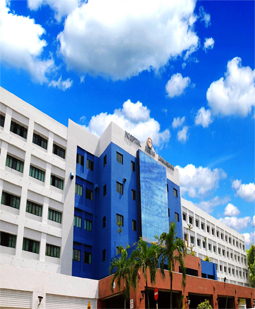 Private Hospital
 ISO