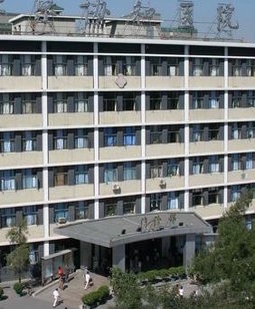
Beijing Hospital of the Ministry of Health is a modern general hospital open to the public, with a special mandate to provide medical and health service to senior officials.
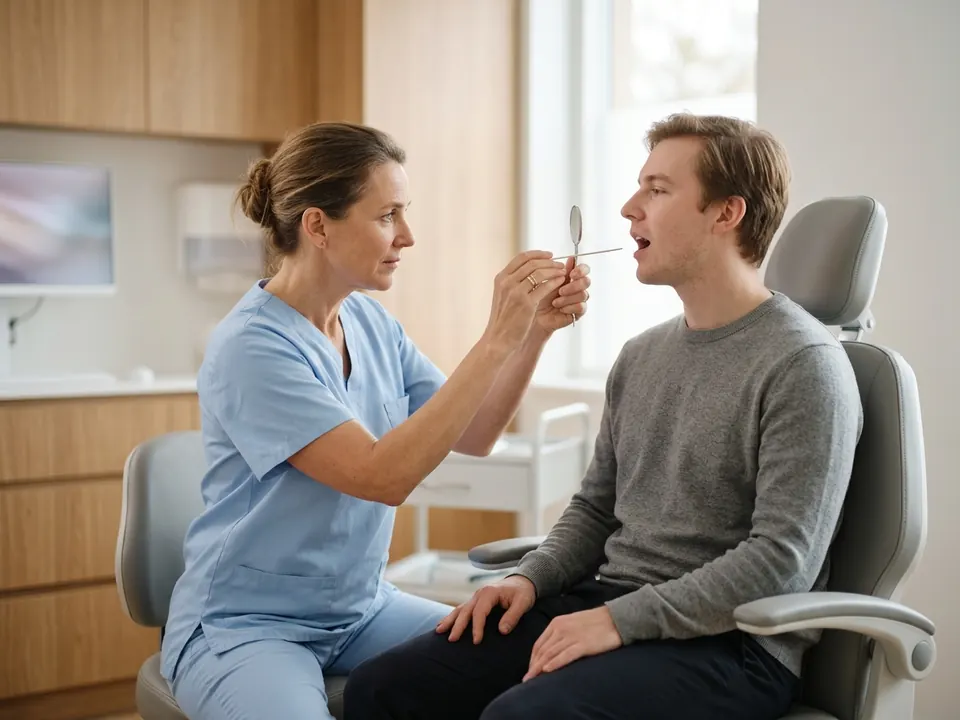
This is a surgical procedure which is used to remove excess tissue in the throat and sometimes remodels it making the airway wider. It is also known as sleep surgery, UP3 or UPPP. Uvulopalatopharyngoplasty is used to remove tissues such as Tonsils, Adenoids, Uvula, Soft palate, Excess throat tissue.
Why it is done
Your doctor may recommend UPPP if you:
Have excess tissue in your throat, nose or mouth which blocks your airway
Cannot use or prefer not to use CPAP
Do not feel better after using CPAP
Do not want to use tracheostomy to treat sleep apnea
How well does it work?
When UPPP is administered in isolation the results vary. This is because sleep apnea is usually caused by co-existing obstructions which are located at various locations of the airway.
UPPP reduces sleep apnea in some people
UPPP may stop snoring although episodes of apnea may continue
CPAP may be required after the surgery even if the blockage is successfully removed
Factors that influence the success of UPPP
The pre-surgical size of the tonsils, tongue base, soft palate and uvula.
Morbidly obese people have little success from this procedure
The UPPP procedure
UPPP is usually administered in isolation to patients with sleep apnea. It is administered in isolation with the aim of removing the tissue obstructing the patient’s throat. The procedure is done with the rationale that the patient’s airway will be widened and breathing will be eased by removing the excess tissue.
The procedure involves removing the tonsils, which is followed by removing of the anterior surface of the uvula and soft palate, folding the uvula towards the soft palate and suturing it together.
A tonsil is grasped with an instrument and medially retracted. The anterior tonsillar pillar mucosa is then incised and dissection continues along the tonsil capsule until the entire tonsil is removed.
The interior part of the soft palate is the resected along with the uvula so as to preserve nasopharyngeal mucosa.
Different suturing techniques are used at the corners of the soft palate to bring the oropharyngeal and nasopharyngeal together in a single layer.
What to expect after surgery?
You doctor may recommend CPAP (continuous positive airway pressure) therapy after UPPP. CPAP therapy involves using breathing device worn especially at night to help you breathe more easily and prevent your airway from closing up while asleep.
Discomfort is usually present for the first 2-3 days and your doctor may prescribe pain medication or a numbing spray for your throat for this. However, your doctor may also recommend that you avoid some pain medications which relax the throat muscles. This is because they may narrow your airways and cause apnea episodes.
Your diet should be soft and liquid such as soups for the following 1-2 weeks. You may resume most of your regular activities within 1-2 weeks after the procedure. However, you may require up to 6 weeks to recover fully.
About UPPP
Key facts to plan your treatment: how long it takes, your hospital stay, anaesthesia, risks and recovery.
Recovery
-Damage to surrounding tissues and blood vessels.
-Speech problems.
-Swelling, infection, pain or bleeding.
-Difficulty swallowing.
-Sleepiness.
-Narrowing of the airway in the throat and nose.
-Changes in how food tastes.
-Periods of apnea.
After care
Information coming soon. Request a consultation for personalized recovery guidance. Get Quote →
 Hospital