The uvea is essential because its many arteries and veins carry blood to the areas of the eye, which are crucial for vision.
What Are the Symptoms of Uveitis? - Eye irritation and redness
- Blurred vision
- Eye ache
- Increased sensitivity to light
- Floating spots before the eyes
- Uveitis might grow quickly, and it's vital that you see your eye doctor for a thorough eye examination if you develop these symptoms, particularly if an aching, red eye doesn't clear up fast.
- If neglected, uveitis might permanently damage your vision.
What Can Cause Uveitis? Uveitis has numerous possible causes, which include infection with a virus. Other possible causes are an injury to the eye, parasite, fungi, inflammatory illnesses affecting other body parts, or bacteria.
There are four kinds of uveitis:
- Iritis is regarded as the well-known type of uveitis. It affects the iris and is usually linked to autoimmune disorders like sarcoidosis or rheumatoid arthritis. Iritis might develop unexpectedly and might last weeks, despite treatment. Rare cases are chronic and need close, long-term monitoring.
- Cyclitis is a swelling of the middle part of the eye and might affect the muscle, which focuses the lens. This as well might develop unexpectedly and last several months.
- Retinitis affects the back of the eye. It might quickly progress, which makes it hard to treat. Retinitis might be caused by viruses like herpes or shingles and bacterial infections like toxoplasmosis or syphilis.
- Choroiditis is a swelling of the layer underneath the retina. It might as well occur due to an infection like tuberculosis.
Choroiditis and retinitis may each occur due to an autoimmune illness like lupus or rheumatoid arthritis. In many cases, the reason behind uveitis isn't known. Stress is oftentimes suspected since the swelling is caused by the body's immune system.
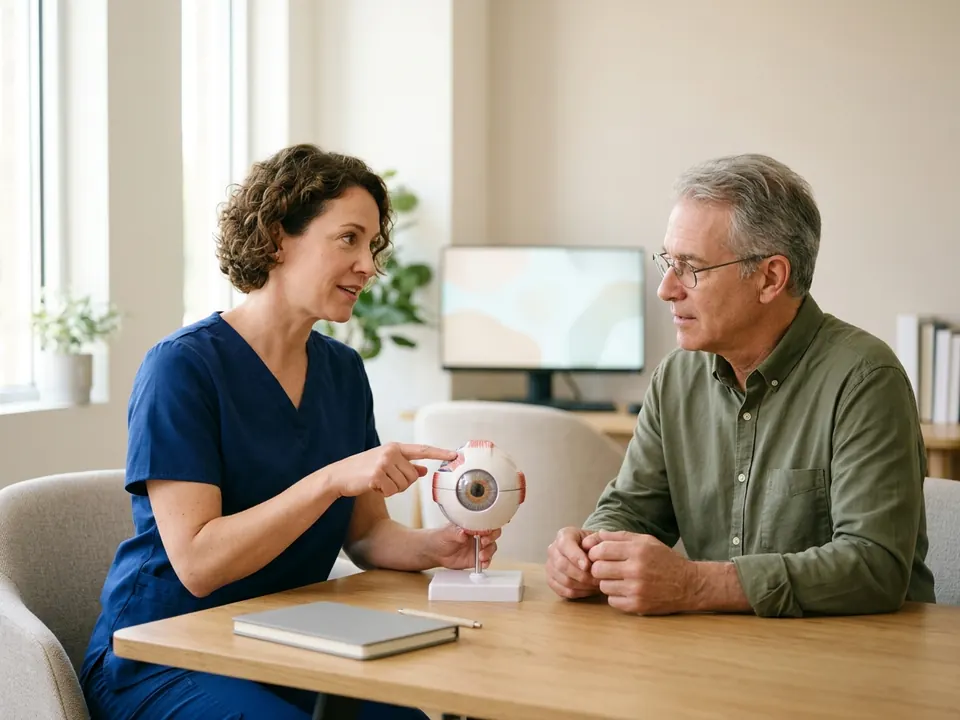
How Is Uveitis Diagnosed? Uveitis may permanently damage your vision and even result in blindness. So, if you have any uveitis symptoms, it is vital that you should see an eye specialist known as an ophthalmologist immediately.
The ophthalmologist will carry out a thorough test of your eyes. He or she might request lab tests, which include X-rays or blood work since the list of potential causes may be long.
Uveitis might have an underlying factor elsewhere in your body, and the ophthalmologist might want to consult your regular doctor or another specialist to assess your overall health.
How Is Uveitis Treated?
Since uveitis is serious, treatment must start immediately. For uveitis not triggered by an infection, your eye specialist might prescribe pills or eye drops having steroids to decrease inflammation and drugs to ease the pain. Drops which dilate your pupil might be provided to stop adhesions of your pupil and eye spasms. Antibiotics are used in people who have infectious uveitis. Dark glasses can help with light sensitivity.
Complications of uveitis consist of vision loss, abnormal growth of blood vessels in the eye, which interfere with eyesight, glaucoma, fluid within the retina, and cataracts. Early prognosis and treatment by an eye specialist are crucial.
When to look for medical advice?Call your GP immediately if you have continual eye ache or you see an uncommon change in your eyesight, especially if you have had previous problems of uveitis. The faster uveitis is addressed; the more successful treatment is likely to be.
Your GP might refer you to an ophthalmologist, who is a specialist in eye problems. An ophthalmologist will check your eye more thoroughly with light (a slit-lamp) and microscope, and might recommend additional exams if uveitis is diagnosed.
This might involve blood tests, scans of your eye and X-rays.
 Private Hospital
 JCIPrice on request