Key planning information for venous vascular disorders in Turkey.
5–30 minsProcedure time
1–2 daysHospital stay
3 hospitalsList venous vascular disorders
Venous Vascular Disorders in Turkey is priced per case at 3 hospitals. The operation takes 5 to 30 minutes, with 1 to 2 days in hospital. Each hospital quotes its own price for your case.
Hospitals and clinics offering Venous Vascular Disorders in Turkey
Venous Vascular Disorders is listed by 3 hospitals in Turkey. The order reshuffles every hour so each gets equal exposure.
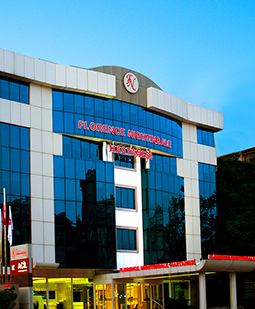
Kadıköy Florence Nightingale Hospital provides services in all specialties with its inpatient and outpatient, diagnosis, treatment and emergency service facilities and fully-equipped polyclinics.
Vascular disease that results from damage to the vein valves or abnormal venous pressure is called as venous vascular disorder. It includes venous insufficiency like varicose veins and venous ulcers or deep vein thrombosis etc.
What are the treatment options for venous vascular disorder?
Treatment options for venous vascular disorder includes compression stockings, surgery or endovenous therapy. Compression stockings are the cornerstone of the treatment of venous insufficiency. Other options are:
Sclerotherapy: A sclerosing substance is injected directly into the varicose veins that make them collapse.
Endovenous laser therapy (EVLT): It uses high-frequency radio waves or laser that produces local heat in the affected vein and destroy it.
Radiofrequency ablation (RFA): In this technique a special radiofrequency catheter is passed from the knee to the groin which carry out controlled thermal injury to the targeted vein resulting in its shrinkage.
Surgical option is required in less than 10% of the patients. It is commonly in those with discomfort or ulcers refractory to medical management. It includes ligation and stripping, vein bypasss, phlebectomy or Subfascial endoscopic perforator surgery (SEPS) in which endoscopic techniques are used to find and ligate perforating veins. In case of congenital absence of functional valve valvuloplasty is done.
What is the success rate of vascular surgery for venous vascular disorders treatment?
Subfascial endoscopic perforator surgery (SEPS) has a recurrence rate of 3% in ulcer cases with lesser morbidity than that of traditional surgical techniques.
RFA has very good recovery rate. Valvuloplasty may be associated with postoperative deep venous thrombosis. When associated with perforating vein ligation it has a good outcome. EVLT has excellent long term results with low associated complications.
About Venous Vascular Disorders
Key facts to plan your treatment: how long it takes, your hospital stay, anaesthesia, risks and recovery.
Duration of surgery/treatment
Duration depends on the technique used. Sclerotherapy may take 5 to 30 minutes. Surgical techniques take longer from 1 to 2 hours.
Days admitted
1 to 2 days stay is required for most procedures. Surgical techniques may require longer stay.
Anesthesia
Local or general anaesthesia, depending on the technique used
Recovery
Information coming soon. Request a consultation for personalized recovery guidance. Get Quote →
Risks
Risks are associated with different techniques. Cutaneous necrosis, allergic reactions or arterial injection may occur with sclerotherapy. Nerve injury, arterial injury or infection may occurs in surgical ablation techniques. Skin burns, arterial injury or thermal injury may occur in cases of RFA and EVLT
After care
Careful monitoring of vital signs and cardiac status is required following SEPS. Also, periodic monitoring of haemoglobin and haematocrit is essential. Wound care is important following surgery. In cases following valvuloplasty postoperative anticoagulation is required.
 Private Hospital
 JCI
 ISO