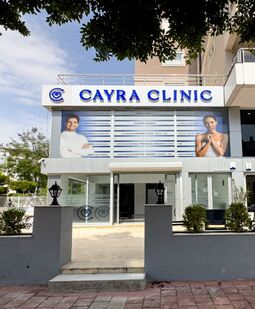
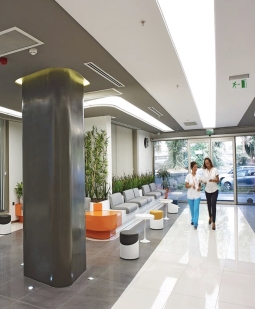
Dentakademi, providing excellence in dental treatment, serves patients from 63 countries. Internationally accredited and top-ranked by GCR, we offer comprehensive and quality dental solutions with modern technology and an experienced team. Your trusted address for healthy smiles.
DoctorsAPAssoc. Prof. Ferhat Misir, DTAPAssoc. Prof. Burak Cezairli, DTView all 14
Turkeyana is right place for you to be as you are…We use our experience in the field to achieve the excellency for more than a decade while providing the best VIP service to make you feel comfortable.
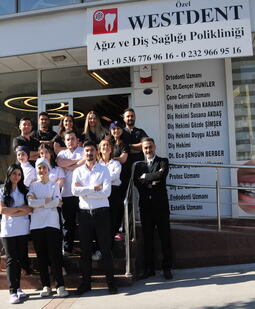
At West Dental Clinic our doctors use up-to-date and modern high technology and new treatment approaches. Our physicians have the experience of numerous and complex treatment procedures for more than 13 years domestically within Turkey and internationally.
DoctorsSADr. Susana Akdash, Dt.FKDr. Fatih Karadayi, Dt.View all 9
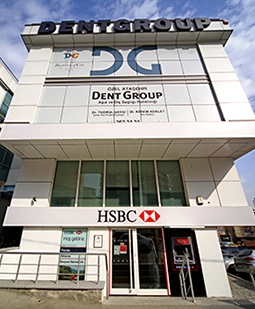
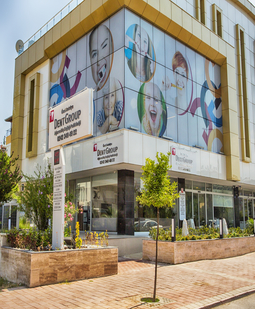
DentGroup Ataşehir has a 3-D Tomography device enabling the doctors to view jaw and dental x-ray in 3-D environment. What makes Ataşehir different than other DentGroup Clinics, Snoring Prosthesis can be made by the Prosthodontist Dr. Tuğrul Saygı for the patients who suffer from Sleep Apnea.
DoctorsTSDr. Tugrul SaygiKADr. Kerem AdaletView all 6
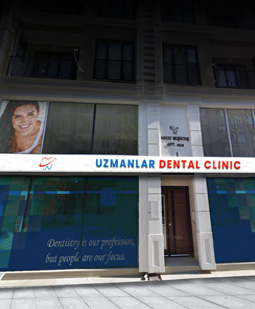
Uzmanlar Dental Clinic aims to provide the new generation dentistry to offer individual options to its patients by harmonizing with its own perspectives and values since its foundation in 1995.
Turkey's largest dental clinic chain provides dental treatments like dental implants, crowns and veneers in Istanbul and Antalya with professional dentists.
DoctorsHADr. Hakan AkmanBKDr. Burcu KucukkayaView all 8
We are a group of creative minds motivated by the happiness and satisfaction of our patients. Our people, with their talent, creativity, passion and dedication have made Medlife Group what it is today and they will continue to be a key driver of our success.
DoctorsÇKDr. Çağlar KörcükDODr. Duran OdabaşıoğluView all 3
Wisdom teeth or third molars are the last teeth to come through and are considered to be a frequent cause of oral problems for many people across the globe. Wisdom teeth usually appear between the ages of 17 and 21.
In many cases, there isn’t enough space to allow the wisdom teeth to develop in normal arch form and hence they tend to grow sideways. This can lead to the impaction of the third molars which results in pain, infection and swelling etc. Even if the teeth manage to emerge sideways, they cause difficulties with chewing and cleaning which results in food accumulation and dental cavities. In these cases, wisdom tooth removal or extraction becomes unavoidable.
Wisdom teeth removal is a common oral surgical procedure. Depending on the extent of the impaction, however, the procedure may be more complicated than a simple extraction.
How many sessions are required for removing a wisdom tooth?
Removing a wisdom tooth usually takes two sessions.
In the first session, the patient is sedated and the surgery is performed. The dentist numbs the area with local anesthesia or administers general anesthesia, depending on the situation. The dentist then makes an incision in the soft tissue to expose the impacted tooth and removes any bone covering the tooth. Sometimes, impacted third molars are in an unusual position which may require sectioning the teeth in order to extract the wisdom teeth completely. After the tooth is removed, sutures are placed over the gum.
The next session is performed seven days after the surgery when the sutures are removed from the healed soft tissue.
How long does the entire process take?
Healing of the soft tissue is usually completed within seven days of the wisdom tooth extraction. However, healing may take longer depending on patient’s general health and oral hygiene.
What type of dentist removes wisdom teeth?
Wisdom tooth or third molar surgeries are performed by oral surgeons. Wisdom tooth removal can also be performed by a general dentist who has the skills required for removing impacted, partially erupted or un-erupted third molars.
About Wisdom Tooth Removal
Key facts to plan your treatment: how long it takes, your hospital stay, anaesthesia, risks and recovery.
Recovery
- The recovery period for wisdom tooth removal is about seven days, until the soft tissue over the extraction site heals up completely.
- Bone formation and healing of the gum tissue takes approximately one month.
- If there was a nerve injury or jaw fracture during the surgery, complete recovery may take longer than six months.
Risks
- Pain and swelling
- Difficulty opening the mouth
- Pain at the injection site
- Bleeding
- Slow healing
- Dry socket formation due to loss of blood clot
- Paraesthesia or numbness in mouth or lips due to nerve injury
- Jaw dislocation
- Bone fracture
- Tooth fracture
- Damage to adjacent tooth or bridge work or crown
- Sinus opening in case of maxillary third molar surgeries
After care
- Avoid rinsing the mouth for first 24 hours as this may result in losing the blood clot
- Do not smoke during the recovery phase as it may irritate the soft tissue and delay the wound healing
- Take proper medication as prescribed by the dentist
- Stick to a liquid or soft diet and avoid spicy foods during the first few days of the recovery phase
- Take proper rest and avoid physical exertion the day following the surgery
- Use ice packs to reduce pain and swelling of the soft tissue and face
- Maintain good oral hygiene by cleaning and flossing the rest of the teeth, but avoid brushing over the extraction area
- After 24 hours following the surgery, rinse your mouth with warm saline water two to three times a day for at least the next five days

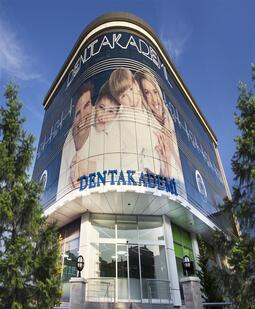 Comprehensive Oral and Dental Health Center
 ISO