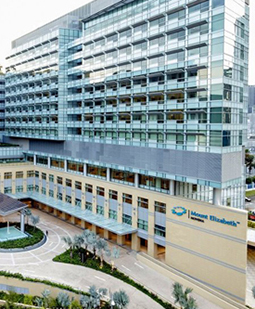
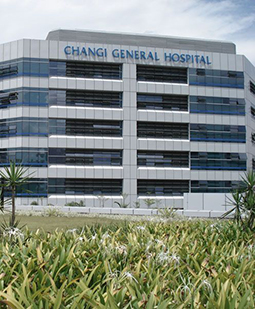
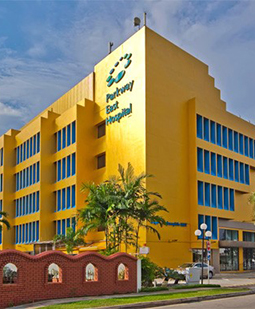
A full service private hospital offering a comprehensive range of specialist services by a team of 200 physicians. 35-40% of the patients are foreigners, and there is a dedicated department for handling medical tourists.
DoctorsDCDr. David Choy Kim SengNPDr. Ng Puay YongView all 3
You will find some of the region's most respected neurologists and neurosurgeons at Mount Elizabeth, speciailsing in the area of neurology, stroke neurology, neurosurgery, radiology and trauma.
DoctorsAHDr. Alvin HongTSDr. Tan Siah Heng JamesView all 8
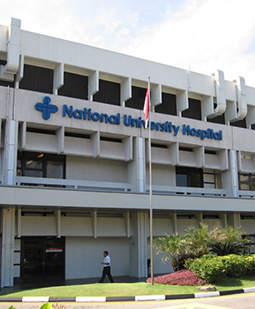
A 928 bed teaching hospital offering a full range of medical, surgical and diagnostic services. NUH serves as a refferal center for cancer patients, pediatrics, cardiology and other specialties.
DoctorsLYDr. Lim Yu Tang AymericYTDr. Yeo Tseng TsaiView all 3
This operation is conducted on the brain in order to treat problems with the brain and nearby structures. It involves going through the skull and accessing the soft tissue that makes up the brain. People who conduct such operations are known as neurosurgeons. They go through years of training to qualify for such an operation.
Diagnosis
A number of conditions may necessitate brain surgery. One of this is a brain tumor. The only way to get rid of it is cutting it off. In addition, invasive parasites such as worms may lead to brain surgery. Other conditions such as aneurysms lead to brain surgery.
Diagnosis takes place with the use of soft tissue imaging techniques. The most common method used is the MRI machine. A CT scan may also be used in rare instances. In some instances, a biopsy is taken through minimally invasive techniques.
Treatment
Treating brain disorders is complex. First, the doctor shaves off the hair on the part where he/she will make an entry to the skull. This is done in order to avoid contamination. Due to recent advances in medicine, the operation can take place with the patient fully awake.
A fully awake brain surgery helps to warn the doctor in case he/she touches something. At times, the doctor may make an incision on another part besides the top of the head. For instance, he may use a minimally invasive device through the nose. The device may also be inserted through a hole in the roof of the mouth. Minimally invasive techniques help to reduce the amount of scarring. There are fewer risks of something going wrong. In addition, the recovery time for the patient is shorter. This is because of the few structures that need to heal.
About Brain Surgery
Key facts to plan your treatment: how long it takes, your hospital stay, anaesthesia, risks and recovery.
Days admitted
A brain operation requires that the patient stays in the hospital for at least a day. This period is spent conducting scans on a regular basis. In addition, pain medication will be administered. The regular scans help the doctor determine if there is something wrong that requires remedying. In rare instances, the patient is asked to stay a while longer for further testing.
Recovery
The recovery period can take months or weeks. A patient should expect some pain after surgery. As a result, one needs to take some pain medication to reduce discomfort. Keeping the wound hygienic is also important. It helps it heal faster without any infection.
After care
The patient needs to take a lot of rest. This will give the body the energy it needs to continue functioning normally. In addition, they need to take a special diet that allows the body to recover fully from surgery. At times, a patient may need physical therapy. This is because brain surgery has been known to cause impairment in moving. If not dealt with early, it can cause muscle atrophy. There may also be a need for the patient to go for speech therapy. The loss of proper speaking skills tends to happen with brain surgery.

 Private Hospital
 JCI
 ISO