The Cardiology Area has become a great benchmark at Vithas Xanit International Hospital. We offer personalised care, fast diagnosis for any cardiovascular disease with the most advanced technology.
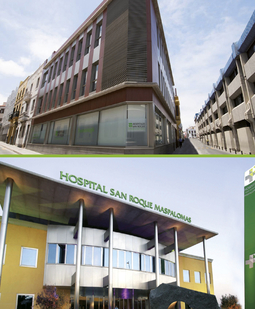
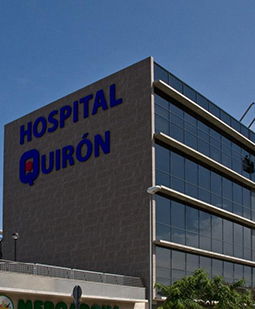
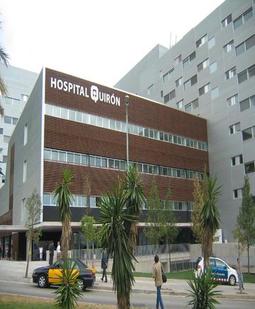
With more than 36 medical specialties, 200 physicians and surgeons of the highest level, Quironsalud Hospital Malaga is one of the most pertinent hospitals in Spain.
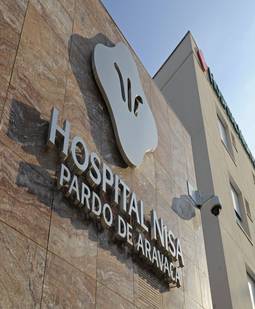
A modern (opened in 2007), general, private hospital located in Madrid, part of the NISA group of hospitals. The international patients department can assist patients with accomodation and trasportation, and can communicate in English as well as in Spanish.
HM Hospitales is a hospital group with six private hospitals in Madrid: three general hospitals, a cardiovascular hospital, an oncological center and a women's health hospital.
At HM Sanchinarro Hospital, they offer a comprehensive service to attend to your heart problems. Their cardiology unit includes: Clinical Cardiology, Heart Failure and Arrhythmias.
The department of Cardiology provides medical management for all kinds of diseases relating to the heart and circulatory system. Medical diagnosis and treatments are offered to health issues like heart failures, congenital heart diseases and various other disorders.
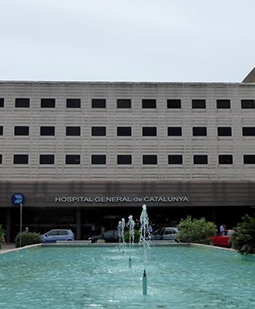
The Hospital Universitario General de Catalunya is one of the most prestigious medical centers in Catalonia. Since 1984 they offer the patient comprehensive care.
Medimar International Hospital is a tetriatry care hospital with 200 physicians, 50 resident and 150 affiliated, providing healthcare services to the residents of Alicante, as well as to over 25,000 foreign patients a year.
An EKG is also known as an ECG or electrocardiogram. It is a medical test that is used to check for problems with your heart’s electrical activity. It shows the electrical activity of the heart in as line tracings which have spikes and dips called waves.
An EKG measures the time intervals and helps the doctor determine how long the electrical wave takes to pass through the heart. The amount of time it takes for a wave to travel from one part of the heart to another provides the doctor with information on whether the electrical activity is slow or normal, irregular or fast.
In addition by measuring the amount of electrical activity which passes through the heart’s muscle, the doctor is able to evaluate if parts of the heart are being overworked or too large.
Why is it done?
To check the electrical activity of the heart.
To find the cause of chest pressure or pain. This may be due to a heart attack, pericarditis or angina.
To find the cause of symptoms of heart disease. These include dizziness, shortness of breath, fainting and palpitations.
To evaluate of the heart chamber walls are too thick
To evaluate how well the medication is working and if they are causing any side effects to the heart.
To evaluate how implanted mechanical devices of the heart such as pacemakers are working.
To check the heart’s health in the presence of other diseases such as high cholesterol, high blood pressure, and diabetes
Conditions that may require an EKG include:
Suspected pulmonary embolism
Suspected myocardial infarction (heart attack)
Cardiac murmurs
Fainting or collapse
Seizures
Other reasons for an EKG include:
To monitor the response to heart medication
To assess the severity of electrolyte abnormalities
To assess the heart’s electrical activity before a surgery
How is it done?
An EKG may be done as part of the physical examination. It can be done at your doctor’s office or at a hospital or clinic.
You will lie on the examination table and some areas of your chest arms or legs may be shaved. This is to provide a clean smooth surface for the electrodes. Several electrodes are then attached to the skin on your chest and each arm and leg. The electrode may feel cool when they are placed on your chest but the test is painless. These electrodes are attached to a machine which traces your heart activity onto a paper.
You will be asked to lie very still and breathe normally. Sometimes you may be asked to hold your breath. After the test, the electrodes will be removed and the electrode paste will be wiped off.
Results
The spikes and dips traced on the paper are interpreted by your doctor. They are grouped into various sections which show how your heart is working.
About EKG
Key facts to plan your treatment: how long it takes, your hospital stay, anaesthesia, risks and recovery.
Duration of surgery/treatment
An EKG usually lasts for 5-10 minutes.
Recovery
Information coming soon. Request a consultation for personalized recovery guidance. Get Quote →
Risks
An EKG is a safe test. No electricity passes through your body from the machine and there is no risk of electric shock.
After care
Information coming soon. Request a consultation for personalized recovery guidance. Get Quote →

 Private Hospital
 JCIPrice on request
 ISO