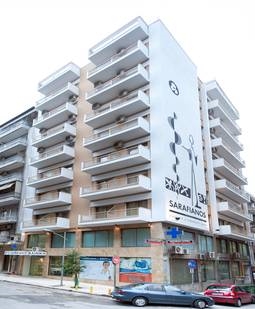
SARAFIANOS is an ISO 9001 certified private clinic in Thessaloniki, Greece. Known for its long tradition of high quality health services since 1957, high sense of professionalism, respect for the patient, quality, thoroughness and consistency in the services provided
Gastric cancer is cancer that starts when cancerous cells form in the inner lining of the stomach. It is also known as stomach cancer. The cells eventually grow into tumors slowly over the years. The stomach is a component of the upper abdomen that helps in the digestion of food. There are different kinds of gastric cancers and adenocarcinoma is the most common. This cancer begins in cells that release and make mucus and other fluids.
Signs and symptoms of gastric cancer
Feeling bloated after a meal.
Indigestion that is unrelenting and severe
Slight nausea
Loss of appetite
Persistent vomiting
Heartburn among many other signs
As the tumor grows, you may experience even more severe symptoms such as severe pain, unexpected weight loss, blood in stool, trouble swallowing, weakness, feeling tired among other conditions. Note that, having any of the above symptoms does not imply that you suffer from gastric cancer. However, in case you have persistence in any of these symptoms, see a doctor.
Diagnosing the gastric cancer
Biopsy: This involves cutting a small piece of tissue from the stomach for inspection to detect any cancer cells.
CT scan: This is a powerful X-ray that outlines the inside body parts in a picture format.
Blood tests: It is performed to establish any signs of cancer in the body.
Upper GI series test: This is a chalky liquid with barium and taken before the X-ray scan to help to optimize the results of the picture.
Upper endoscopy: In this process, the doctor inserts a thin flexible tube fitted with a small camera down your throat for scanning.
Risk factors
Gender: This condition is more prevalent in males than women.
Age: Stomach cancer is common in people with old age over 50 years.
Diet: People whose diet comprise of meat, smoked foods, salted fish, and pickled vegetables are at high risk of suffering from this condition.
About Gastric Cancer
Key facts to plan your treatment: how long it takes, your hospital stay, anaesthesia, risks and recovery.
Duration of surgery/treatment
Chemotherapy is administered in cycles and takes around 3 weeks. Radiotherapy procedure involves treatment sessions of five days a week. Depending on the intended purpose, radiotherapy may take one to
Days admitted
Surgery: A patient requires staying for at least two weeks in the hospital and several weeks at home for recovery.
Anesthesia
Surgery: General Anesthesia
Recovery
Any stomach cancer treatment involves a large operation and a long recovery time.
Risks
Surgery Risks: Some of the risks involved include pain, bleeding, and restriction on the type of diet. Chemotherapy Risks: Loss of hair, Weight loss, Diarrhea, Chemotherapy Risks: Tiredness, Diarrhea, Nausea
Irritation and darkening of the skin especially on the treated areas
After care
Information coming soon. Request a consultation for personalized recovery guidance. Get Quote →
 Private Hospital
 ISOPrice on request