Mitera hospital is a specializes hospital for women and children, with comprehensive pediatric, gynecological and maternal healthcare services. It is affiliated with Harvard’s Mass General Hospital for Children and Yale Children’s Hospital.
What is Testicular Sperm Extraction?
Testicular sperm extraction (TESE) is a sperm aspiration procedure for men who have no sperm in their ejaculate. Sperm are retrieved from the testicle and combined with eggs in the ICSI procedure with the aim of achieving pregnancy.
How is TESE carried out?
A testicular biopsy is carried out in order to find active areas of sperm.
The biopsy is usually performed through one or two small incisions in the scrotum.
The sample is dissected in a laboratory to retrieve the sperm.
Extracted sperm is then used in the ICSI procedure.
Who is a suitable candidate for TESE?
Men with non-obstructive azoospermia can be treated with the testicular sperm extraction procedure.
What are the chances of success with TESE?
Not all TESE procedures achieve sperm retrieval. According to Cornell University's figures, 58 percent of cycles resulted in sperm retrieved and 55 percent of couples achieved pregnancy with the retrieved sperm and the ICSI procedure.
About TESE
Key facts to plan your treatment: how long it takes, your hospital stay, anaesthesia, risks and recovery.
Duration of surgery/treatment
Around 20 minutes.
Days admitted
None.
Anesthesia
Local anesthesia.
Recovery
Testicular sperm extraction has minimal downtime and normal activities can be resumed following the procedure.
Risks
- Devascularization of the testicles or testicular injury.
- Infection following biopsy.
- Sperm not able to be retrieved.
- Sperm do not react well to being frozen in store for the ICSI procedure.
After care
- Minimize any discomfort or pain following testicular sperm extraction with pain killers.

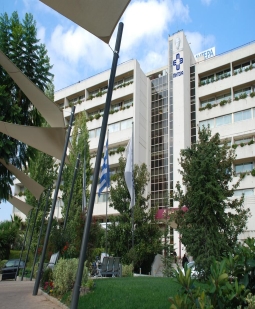 Women & Children's Hospital
 ISOPrice on request