EHIRC is a JCI accredited hospital which is a Centre of Excellence providing the latest technology in: Cardiac Surgery, Interventional Cardiology, Minimally Invasive Surgery (Robotics), Non-Invasive Cardiology, Paediatric Surgery & Paediatric Cardiology
DoctorsASDr. Anil SaxenaAHDr. Abid HussainView all 116
A 200-bed facility located at Gateway Center in Northwest Bangalore. The hospital opened in 2008 and provides comprehensive tertiary-level services, such as cardiac operations, orthopedics and neuroscience, as well as secondary-level medical care.
The flagship hospital of the Global Hospitals Group, which operates eight hospitals throughout India. The modern 500 bed hospital was opened in 2009, and offers advanced medical and surgical treatment, including organ transplantation, cardiac surgey and neurosurgy.
SevenHills Group of Hospitals (SHHL) has been delivering Healthcare services at the highest level, since past 25 years. SevenHills Hospital, Mumbai, is a world class integrated Healthcare Delivery System, that provides comprehensive Healthcare...
DoctorsAMDr. Atul MarwahSPDr. Saurin PatelView all 3
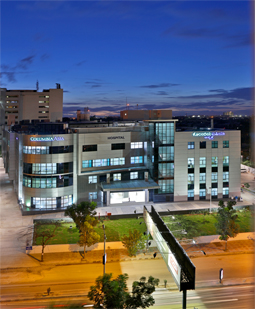
A modern 100 bed hospital opened in 2008, located in Gurgaon, outside of New Delhi.The hospital is a part of the Columbia Asia Group, which has an international patients office able to assist foreign patients with all aspects of medical travel.
The Centres of Cardiology and Cardiothoracic Surgery at Apollo Hospitals are among the largest cardiovascular groups in the world with 14 worldclass institutes, over 400 cardiologists & cardiac surgeons and 200 heart stations.
DoctorsSGDr. Sengottuvelu GPMDr. Prasad ManneView all 20
The Centre of Excellence for Cardiology, Cardiothoracic & Vascular Surgery at Gleneagles Global Hospitals, Chennai offers comprehensive, innovative and advanced care; while working closely as a team of experts, physicians and nurses.
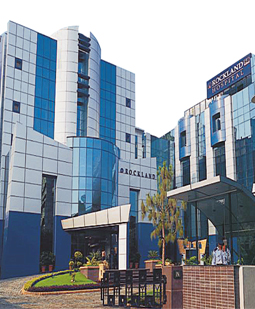
Rockland Hospital Qutab offers choice of selecting from economy rooms to most luxurious single rooms. It is well recognized and credited for its services. The hospital attracts more than 1500 international patients for their specialized medical care needs in a year.
This is a subspecialty of cardiology that focuses on diseases and conditions of the heart and circulatory system which affect infants, children, and adolescents. Medical doctors who specialize in this specialty are known as pediatric cardiologists.
Anomalous Left Coronary Artery From the Pulmonary Artery
Coarctation of the Aorta
Interrupted Aortic Arch
Double-Chambered Right Ventricle
Congenital Mitral Stenosis
Partial Anomalous Pulmonary Venous Connection
Coronary Artery Fistula
Double Orifice Mitral Valve
Valvar Pulmonary Stenosis
Double Outlet Right Ventricle With Normally Related Great Arteries
Velocardiofacial Syndrome
Double Aortic Arch
Coronary Artery Anomalies
Double Outlet Right Ventricle With Transposition
Endocardial Fibroelastosis
Heterotaxy Syndrome and Primary Ciliary Dyskinesia
High Altitude Pulmonary Hypertension
Infundibular Pulmonary Stenosis
Williams Syndrome
Junctional Ectopic Tachycardia
Muscular Ventricular Septal Defect
Ostium Primum Atrial Septal Defects
Pediatric Atrial Ectopic Tachycardia
Pediatric Atrial Flutter
Truncus Arteriosus
Ventricular Inversion
Pediatric Aortic Valve Insufficiency
Ventricular Septal Defects
Devices used in pediatric cardiology
Stethoscope: This is an acoustic device which the pediatric cardiologist uses to listen to the internal sounds such as heart sounds. It can also be used to listen for bowel sounds, lung sounds and bruits (renal and carotid).
EKG calipers: This is a device used to measure intervals and also compare intervals on EKGs.
Pacemaker: This is an electrical device which is implanted to replace the natural pacemaker of the heart.
Defibrillator: This is an electrical device which alters the heart’s rhythm using electrical energy. It is used to top fibrillation of the heart.
Diagnostic tests and procedures
Echocardiogram: – a sound wave picture to check the structure and function of the heart.
Ambulatory ECG: This is a test, which is done during activity to look for any abnormal heart rhythms.
Exercise test: This is a test to measure if the heart is functioning well.
Cardiac Catheterization: This test involves placing a small tube (catheter) in or near the heart for closer observation. It can also e used to relieve the blockage.
Blood tests: This includes testing the levels of cholesterol, Creatine kinase, and Troponin .
Echocardiography (echo): This test inspects the heart’s chambers and blood flow.
Transthoracic echocardiogram (TTE): This is an echocardiogram of the heart via the thorax. It is a noninvasive procedure and takes a short time.
Transesophageal echocardiogram (TEE): This is an echocardiogram of the heart through the esophagus. It can require general anesthesia or sedation.
Cardiovascular magnetic resonance imaging (CMR): An MRI of the heart utilizes the ECG to observe specific mechanical functions of the heart.
Auscultation: This test involves listening to sounds such as heart sounds using a stethoscope.
Electrocardiography (ECG or EKG): This test measures the electrical activity of the heart using electrodes which are placed on the skin.
Why see a pediatric cardiologist?
Pediatric cardiologists are specially trained and have the expertise needed to treat children. They know how to talk to the children making them feel relaxed. In addition, their offices are decorated with cartoon characters and toys and games to make the children relaxed.
About Pediatric Cardiology
Key facts to plan your treatment: how long it takes, your hospital stay, anaesthesia, risks and recovery.
Recovery
Information coming soon. Request a consultation for personalized recovery guidance. Get Quote →
After care
Information coming soon. Request a consultation for personalized recovery guidance. Get Quote →

 Private Hospital
 JCI
 ISO