Key planning information for pediatric oncology in Singapore.
2–3 hrsProcedure time
2–3 daysHospital stay
5 hospitalsList pediatric oncology
Pediatric Oncology in Singapore is priced per case at 5 hospitals. The operation takes 2 to 3 hours, with 2 to 3 days in hospital. Each hospital quotes its own price for your case.
Hospitals and clinics offering Pediatric Oncology in Singapore
Pediatric Oncology is listed by 5 hospitals in Singapore. The order reshuffles every hour so each gets equal exposure.
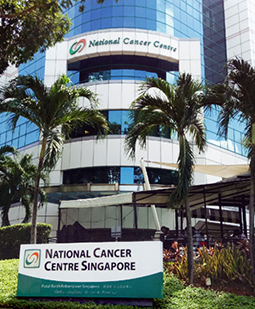
Cancer treatment calls for complete, customised care from our experienced oncologists working together with nurses, para-medical staff, palliative (end-of-life) care professionals and counsellors.
DoctorsPMDr. Preetha MadhukumarYWDr. Yong Wei SeanView all 28
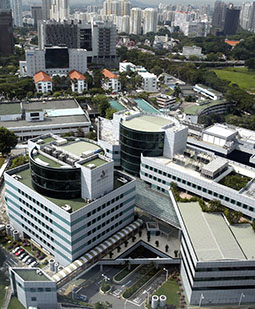
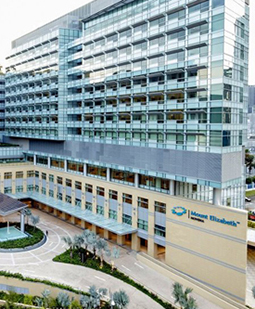
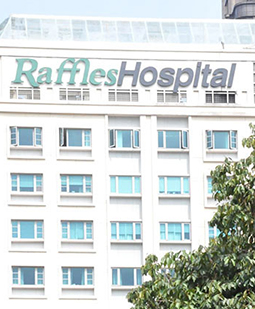
A full service private hospital offering a comprehensive range of specialist services by a team of 200 physicians. 35-40% of the patients are foreigners, and there is a dedicated department for handling medical tourists.
DoctorsLNDr. Lynette Ngo Su MienDPDr. Donald Poon Yew HeeView all 3
SGH is Singapore public sector's flagship hospital, the oldest and largest tertiary hospital and national referral centre. They provide the best and yet affordable medical services to its patients.
Cancer in children is uncommon, so it can be hard for doctors to determine the best treatment unless they know what has been most effective in other children. Treating children with cancer requires special expertise.
What are the treatment options for breast cancer?
Treatment of pediatric or childhood cancer depends mainly on the type and stage of the cancer. Various treatment options available include surgery, radiation therapy, chemotherapy, immunotherapy and stem cell transplant. More than one treatment is used in many cases.
Surgery: Cancer is removed in surgery along with the surrounding tissue. Many childhood cancers may require surgery followed by chemotherapy or radiation therapy.
Chemotherapy: Drugs are used to destroy the cancer cells. They halt the growth and division of the cancer cells. It may be delivered through a small needle into the bloodstream, spinal fluid or muscle. Chemotherapy can also be given orally as capsules or pills. Usually the number of chemotherapy cycles are given over a period of time. Either one drug or a combination of multiple drugs is used in chemotherapy.
Radiotherapy: It uses high-energy x-rays or particles such as photons to destroy the cancer cells. Radiotherapy can be given as external beam radiation therapy or internal therapy. In external beam therapy, radiation is given through a machine outside the body. In internal beam therapy, radiations are given using implants.
Immunotherapy: Another method called as immunotherapy is also used in pediatric cancers, which boosts the body’s immune system to fight against cancer cells. Monoclonal antibodies, interferons and cancer vaccines are few examples of immunotherapy.
Stem cell transplant: In this procedure, stem cells present in the bone marrow are replaced by highly specialized cells that form healthy bone marrow. The stem cell transplantation depends on the type of cancer, patient’s age and overall health of the child.
What is the success rate of breast cancer treatment?Pediatric cancer treatment has a good outcome. Cancers respond well to chemotherapy. The treatment is successful in many childhood cancers.
About Pediatric Oncology
Key facts to plan your treatment: how long it takes, your hospital stay, anaesthesia, risks and recovery.
Duration of surgery/treatment
Surgery usually requires 2-3 hours depending on the type of cancer and its stage.
Days admitted
Stay in the hospital depends on the type of treatment and condition of the patient. Surgery may take 2 -3 days of hospital stay.
Anesthesia
Surgery is done under general anaesthesia.
Recovery
Information coming soon. Request a consultation for personalized recovery guidance. Get Quote →
Risks
Recurrence risk in few, Side effects related to anesthesia: Risk of nausea, vomiting, hair loss, bleeding, loss of appetite and diarrhea associated with chemotherapy, Side effects due to radiation therapy such as: fatigue, nausea, mild skin reaction etc.
After care
Proper post treatment care is required in children. Though, the cancer treatment has a good prognosis, recurrence may occur in few. Hence, regular follow up in necessary. Also, proper parental or guardian support is required to help the child gain back the physical and mental strength.

 Private Hospital
 JCIPrice on request
 ISO