Key planning information for throat cancer treatment in Germany.
$8,700 fromLowest listed price
2–3 hrsProcedure time
3–4 daysHospital stay
4 hospitalsList throat cancer treatment
Throat Cancer Treatment in Germany is listed from US$8,700 to US$20,500 at 4 hospitals. The operation takes 2 to 3 hours, with 3 to 4 days in hospital. Each hospital quotes its own price for your case.
Prices last updated May 2017
Cost of Throat Cancer Treatment in Germany
Table of prices by type of procedure, in US$. Each hospital quotes its own price for your case.
Procedure
Minimum price
Maximum price
Throat Cancer Treatment
$8,700
$20,500
Price starting from $8,700 up to $20,500 · last updated May 2017.Final prices are quoted by each hospital
Hospitals and clinics offering Throat Cancer Treatment in Germany
Throat Cancer Treatment is listed by 4 hospitals in Germany. The order reshuffles every hour so each gets equal exposure.
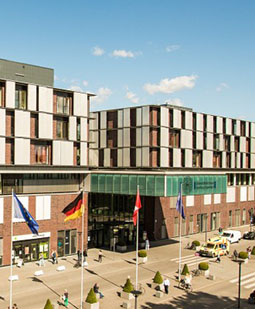
One of Germany's largest hospitals, made up of more than 50 clinics and specialist institutes spanning all medical specialties. Kinikum Stuttgart is regarded as one of the best hospitals in Germany, and is a referral center for oncology, ENT, pediatrics and more.
DoctorsSBProf. Stefan BielackDGProf. Dr. Gerald IllerhausView all 15
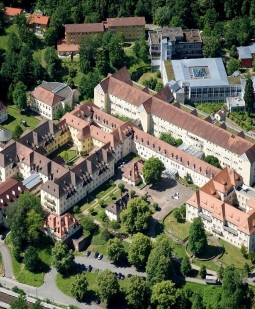
Established in 1884, the University Medical Center Hamburg-Eppendorf underwent full modernization in 2009 and emerged as the most innovative European hospital. Its dedicated International Office supports roundabout 1,000 foreign patients a year.
DoctorsRSProf. Reinhard Schneppenheim, MD, PhDCBProf. Carsten Bokemeyer, MDView all 3
Heidelberg University Hospital is one of Europe`s leading medical centers. World-renowned experts provide comprehensive care of the highest international standards in all medical specialties.
DoctorsADProf. Anthony D.HoWWProf. Wolfgang WickView all 4
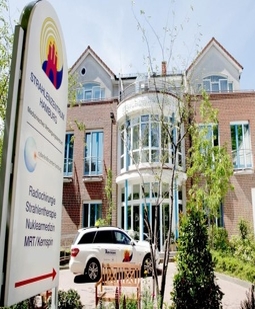
CyberKnife Center of Hamburg has an excellent track record for cancer treatment with the use of high technology. Among others, they specialize in CyberKnife radiosurgery, radiation oncology, stereotactic radiotherapy, diagnostic radiology.
DoctorsDMProf. Dr. Michael Heinrich SeegenschmiedtFFDr. Fabian FehlauerView all 6
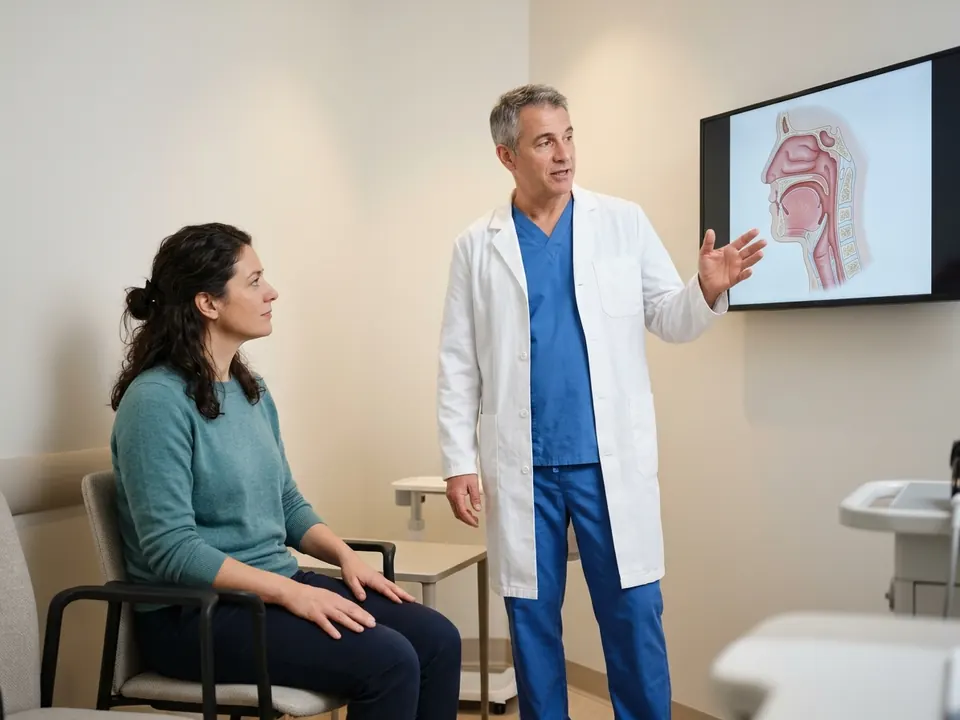
Treatment of throat cancer depends on the seriousness and extent of the condition. Treatment is usually tailored individually. The main aim is to the preserve patient’s ability to speak and eat while maintaining a normal healthy life.
What are the treatment options for throat cancer?
Surgery: Surgery is done in cases of small and localized cancer. Cancer which is advanced and has spread to the surrounding areas requires more extensive surgery which may involve removal of parts of jaw, throat, mouth or voice box. Reconstructive surgery may help in restoring the appearance and functions, e.g. swallowing and speech.
Radiation therapy: Radiotherapy uses high energy rays to kill the cancer cells. It usually follows the surgery or may be used in combination with chemotherapy in advanced throat cancer. It can be used as the primary treatment in small throat cancers.
Chemotherapy: Chemotherapy is often used in combination with surgery or radiation therapy in advanced cases. Powerful drugs are given which kills the cancer cells left behind after surgery or radiation therapy.
What is the success rate of throat cancer treatment?
Early diagnosis and treatment has a better prognosis. Small and localized cancer can be successfully removed by surgery. Once the cancer cells have spread beyond the head and neck region treatment becomes difficult in throat cancer.
About Throat Cancer Treatment
Key facts to plan your treatment: how long it takes, your hospital stay, anaesthesia, risks and recovery.
Duration of surgery/treatment
Throat cancer surgery may take 2- 3 hours depending on the extent of cancer
Days admitted
Patient is usually required to stay for 3-4 days in the hospital
Anesthesia
Surgery is done under general anesthesia
Recovery
Information coming soon. Request a consultation for personalized recovery guidance. Get Quote →
Risks
Risk associated with anesthesia, Bleeding, infection, nerve injury associated with surgery, Risks due to radiation therapy like skin irritation or discoloration, Risk due to chemotherapy, such as nausea, hair loss, diarrhea, fatigue
After care
Regular follow up is required to check for any recurrence of cancer. Some patient in whom extensive surgery is done may require prosthetic devices to help chew, swallow or speak. Feeding and breathing tubes may also be required in more advanced cases which need regular monitoring. A good nutrition plan is required that includes easy to chew and swallow foods.
 Public Hospital
 ISOPrice on request