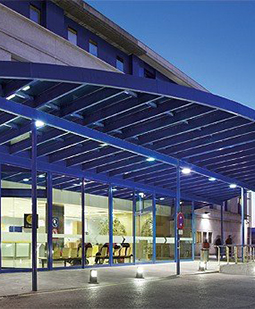
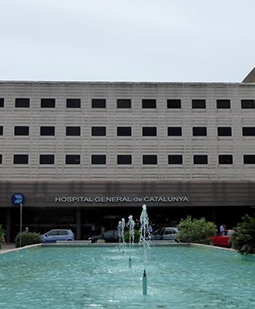
With more than 36 medical specialties, 200 physicians and surgeons of the highest level, Quironsalud Hospital Malaga is one of the most pertinent hospitals in Spain.
You care for pregnant women, gynecologists team Vithas Xanit International Hospital develops comprehensive care to women, including all gynecological processes throughout their life. Giving coverage from adolescence through menopause.
The Ob-Gyn department's mission is to provide comprehensive women's health care to improve health outcomes for the diverse population of women we serve in our community.
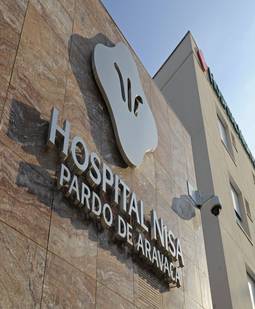
A modern (opened in 2007), general, private hospital located in Madrid, part of the NISA group of hospitals. The international patients department can assist patients with accomodation and trasportation, and can communicate in English as well as in Spanish.
The Department of Obstetrics and Gynecology is committed to providing the highest standard of care for our patients and their families. Comprehensive care, including access to specialty trained physicians as well as the latest treatment modalities, offers patients the greatest opportunity.
Quironsalud Hospital Torrevieja is an ISO-certified private hospital located in the north of Torrevieja, championing excellence in cancer treatment and management. IMTJ Best International Hospital of the world (awards 2017)
The Department of Obstetrics & Gynecology offers the full spectrum of general and specialty gynecological and obstetrical care. Our team offers expert patient services and includes leaders in basic science, clinical trials, and population- based research.
Hospital Clínic Costa Brava is a modern medical facility with over 250 medical specialists, offering medical, surgical, aesthetic, cosmetic and rehabilitation treatments in the relaxing tourism town of Palamos, Costa Brava.
The OB-GYN clinic is committed to providing comprehensive care and enhanced services designed exclusively for women. All of our services are provided in a courteous, compassionate and confidential environment.
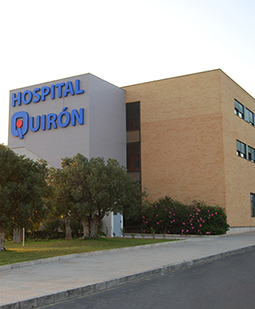
An ISO certified modern private hospital, which was opened in 2006, and is part of the Quironsalud Hospital Group. This tertiary care hospital has certified medical specialties capable of treating the most complicated medical cases.
What is Cystoscopy?
Cystoscopy is a procedure in which the bladder is examined using a cystoscope. Cystoscopy is performed by a urologist or a urologic surgeon.
Cystoscopy is usually done to identify abnormalities in the bladder. It is also performed during surgeries of the urinary tract. During a cystoscopy, the urethra, prostrate, bladder, and ureters are examined.
If abnormalities are discovered during cystoscopy, surgery can be performed. Cancer, urinary tract disorders, infection and causes of pain during urination may be diagnosed during cystoscopy.
How is Cystoscopy Performed?
A cystoscope is used to perform cystoscopy. The cystoscope is a special endoscopic tube with a tiny camera attached to the end. Cystoscopes may be rigid or flexible. The doctor will determine which type of cystoscope to use depending on the purpose of the cystoscopy. The urethra is cleansed first. Then, medicine is applied to numb the lining inside the urethra. The cystoscope is then inserted into the bladder through the urethra. Water or saline water is filled in the bladder through the cystoscope. The patient is then asked to express the feeling, through which the patient’s condition is known. The bladder wall is stretched when the fluid fills the bladder. When this happens, the patient may feel the urge to urinate. However, the bladder should remain full through out the examination. Abnormal tissues are extracted through the cystoscope and sent for lab analysis.
How to Prepare for Cystoscopy?
The doctor should be informed if the patient is:
Allergic to any medicines and anesthesia.
Suffering from any ailments or medical conditions, including pregnancy.
Taking any medication
Arrangements should be made for someone to drive the patient home
The patient may be given medication to prevent a urinary tract infection that may result after cystoscopy.
About Cystoscopy
Key facts to plan your treatment: how long it takes, your hospital stay, anaesthesia, risks and recovery.
Duration of surgery/treatment
Approximately 20 minutes
Days admitted
Cystoscopy is usually done as an outpatient procedure.
Anesthesia
The procedure is usually done under local anesthesia. General or spinal anesthesia is administered if required.
Recovery
- The patient may have blood in the urine and experience a burning sensation while urinating for a couple of days after the surgery.
- The patient is required to drink plenty of fluids to help alleviate the burning sensation and avoid a urinary tract infection.
- The urine is slightly pink in color many days after cystoscopy.
Risks
The risks involved in cystoscopy are:
- Excessive bleeding
- Infection of the bladder
- Bladder wall rupture
After care
- The patient is required to drink 4 to 6 glasses of water per day after the cystoscopy.
The patient should contact the doctor if the following symptoms of infection occur:
- Fever
- Chills
- Pain
- Urine
- Decrease in urine output
- Dribbling of urine
- Lower abdominal pain and discomfort.
- Excessive bleeding
- Testicular pain

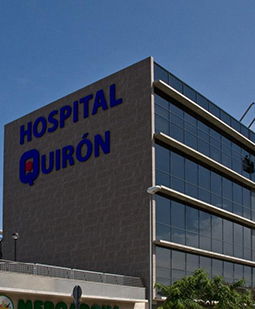 Private Hospital

 JCI

 ISO