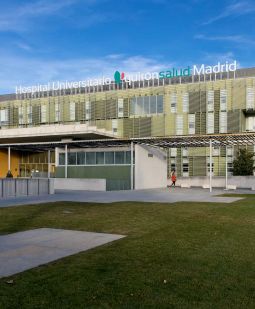
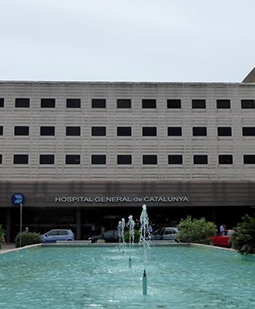
You care for pregnant women, gynecologists team Vithas Xanit International Hospital develops comprehensive care to women, including all gynecological processes throughout their life. Giving coverage from adolescence through menopause.
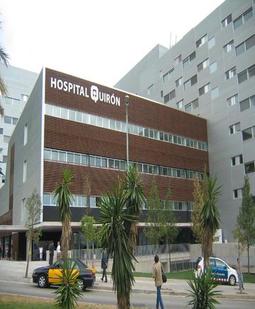
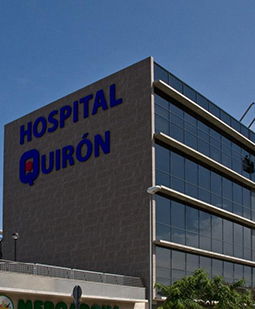
With more than 36 medical specialties, 200 physicians and surgeons of the highest level, Quironsalud Hospital Malaga is one of the most pertinent hospitals in Spain.
The Ob-Gyn department's mission is to provide comprehensive women's health care to improve health outcomes for the diverse population of women we serve in our community.
An ISO certified modern private hospital, which was opened in 2006, and is part of the Quironsalud Hospital Group. This tertiary care hospital has certified medical specialties capable of treating the most complicated medical cases.
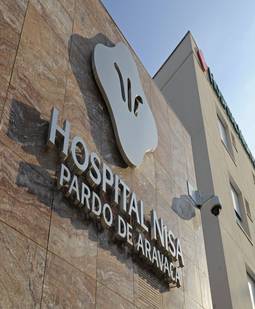
A modern (opened in 2007), general, private hospital located in Madrid, part of the NISA group of hospitals. The international patients department can assist patients with accomodation and trasportation, and can communicate in English as well as in Spanish.
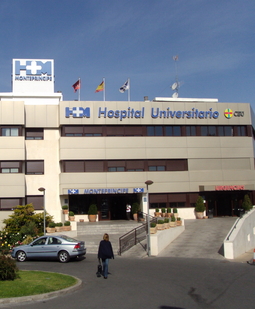
HM Hospitales is a hospital group with six private hospitals in Madrid: three general hospitals, a cardiovascular hospital, an oncological center and a women's health hospital.
The Department of Obstetrics & Gynecology offers the full spectrum of general and specialty gynecological and obstetrical care. Our team offers expert patient services and includes leaders in basic science, clinical trials, and population- based research.
The OB-GYN clinic is committed to providing comprehensive care and enhanced services designed exclusively for women. All of our services are provided in a courteous, compassionate and confidential environment.
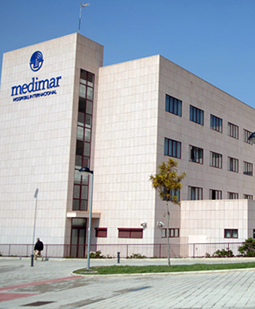
Medimar International Hospital is a tetriatry care hospital with 200 physicians, 50 resident and 150 affiliated, providing healthcare services to the residents of Alicante, as well as to over 25,000 foreign patients a year.
What is Diagnostic Laparoscopy?
Diagnostic laparoscopy is a surgical procedure in which the patient’s abdomen and pelvis can be viewed and examined.
During a diagnostic laparoscopy, the cause of abdominal and pelvic pain is diagnosed. Medical ailments and conditions such as appendicitis, ectopic pregnancy, cholecystitis etc. are detected during a diagnostic laparoscopy. It is most often used in the examination of female reproductive organs.
Diagnostic laparoscopy is performed when diagnostic examinations using ultrasound or X-ray are unable to diagnose an ailment or medical condition.
How is Diagnostic Laparoscopy Performed?
A small incision is made in the patient’s abdomen below the navel.
A needle is inserted into the incision area and gas is passed into the abdominal cavity to create space in the abdomen for a better view and workspace for the surgeon.
Then a laparoscope, which is an endoscopic tube with a tiny camera attached to it, is inserted through the incision.
Using the laparoscope, the patient’s abdomen and pelvic regions can be viewed.
Additional incisions may also be made to insert surgical tools if required.
In a diagnostic laparoscopy in relation to gynecology, the surgeon may use some dye which is injected into the cervix that enables a better view of the fallopian tubes.
Once the diagnostic laparoscopy is completed, the laparoscope and other instruments are removed and the incisions are closed and covered with bandages.
How to Prepare for Diagnostic Laparoscopy?
The patient should abstain from smoking a few days before the surgery.
The patient should wear comfortable clothing and footwear on the day of the surgery to prevent a fall or injury due to drowsiness caused by anesthesia.
The patient’s clothing should be loose fitting as the patient is likely to experience abdominal cramping.
The patient should remove jewelry and other accessories before the surgery.
About Diagnostic Laparoscopy
Key facts to plan your treatment: how long it takes, your hospital stay, anaesthesia, risks and recovery.
Days admitted
None. Diagnostic laparoscopy is usually done as an outpatient procedure and the patient can go home a few hours after the surgery.
Anesthesia
General anesthesia
Recovery
- The patient is taken to the recovery room after the surgery. After a few hours of monitoring, the patient is moved to an outpatient surgery unit.
- Instructions will be given to the patient for recovery at home.
- Follow-up appointments with the doctor are scheduled before patient is discharged.
- The patient will not be able to drive for 24 hours after the surgery.
- Pain medication may be prescribed for surgical pain.
- The patient may have shoulder pain for a few days after the surgery.
- The patient’s urine may be green in color after the surgery.
Risks
Diagnostic laparoscopy involves certain complications and discomforts that include:
- Infection
- Organ puncture
- Bleeding
- Abdominal swelling
- Sore throat
- Nausea
- Abdominal cramp and discomfort
After care
- The patient should not drink alcohol or drive for 24 hours after the surgery.
- The patient may take a bath after the surgery.
- Surgical bandages may be removed the next day after the surgery.
- The patient may be able to return to work three days after the surgery.
The doctor should be informed if the following symptoms occur:
- Fever
- Swelling and infection at the incision area
- Severe nausea and vomiting
- More abdominal swelling
- Bleeding
- Chills
- Severe coughing and breathing difficulty
- Urinating problem
- Pain not relieved by medication.

 Private Hospital
 JCIPrice on request

 ISO