You care for pregnant women, gynecologists team Vithas Xanit International Hospital develops comprehensive care to women, including all gynecological processes throughout their life. Giving coverage from adolescence through menopause.
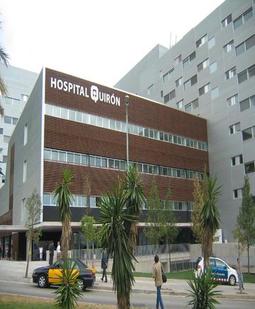
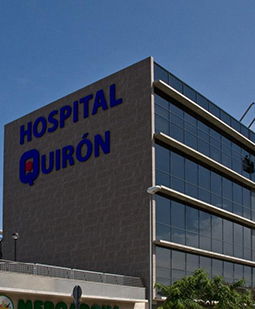
With more than 36 medical specialties, 200 physicians and surgeons of the highest level, Quironsalud Hospital Malaga is one of the most pertinent hospitals in Spain.
The Ob-Gyn department's mission is to provide comprehensive women's health care to improve health outcomes for the diverse population of women we serve in our community.
An ISO certified modern private hospital, which was opened in 2006, and is part of the Quironsalud Hospital Group. This tertiary care hospital has certified medical specialties capable of treating the most complicated medical cases.
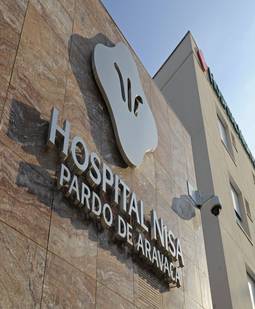
A modern (opened in 2007), general, private hospital located in Madrid, part of the NISA group of hospitals. The international patients department can assist patients with accomodation and trasportation, and can communicate in English as well as in Spanish.
HM Hospitales is a hospital group with six private hospitals in Madrid: three general hospitals, a cardiovascular hospital, an oncological center and a women's health hospital.
The Department of Obstetrics & Gynecology offers the full spectrum of general and specialty gynecological and obstetrical care. Our team offers expert patient services and includes leaders in basic science, clinical trials, and population- based research.
The OB-GYN clinic is committed to providing comprehensive care and enhanced services designed exclusively for women. All of our services are provided in a courteous, compassionate and confidential environment.
Medimar International Hospital is a tetriatry care hospital with 200 physicians, 50 resident and 150 affiliated, providing healthcare services to the residents of Alicante, as well as to over 25,000 foreign patients a year.
A gynecological exam is a series of tests done in regard to the female reproductive system. The best reason to have a gynecological exam is for it to act as a preventative measure in regard to your reproductive and physical well-being.
Such an exam allows for the early detection of diseases such as pelvic infections, ovarian, cervical and breast cancer which are usually asymptomatic in the early stages and this increases the chances of survival.
When to have your first gynecological exam
This exam should begin at the age of 21 but if sexual active it should begin earlier. This allows a doctor- patient relationship to be established and pelvic exams are rarely required. This visits can be used to field any questions about a woman’s development, menstrual cycle, sexual relationships, how to protect against sexually transmitted diseases as well as methods of birth control.
Steps that you can take to prepare yourself include:
Schedule the visit between menstrual periods as they can interfere with the exam and the laboratory results.
Do not insert anything in the vagina including vaginal sexual intercourse or use vaginal products for at least 24 hours before the visit. Sexual activity can cause irritation to the vaginal tissue and lead to incorrect results.
Prepare a list of questions to ask the gynecologist during your visit.
Know the date of your last period and how long you period normally last.
What to Expect
At the start of the visit, your basic measurements such as blood pressure, weight, height and the date your last period started.
You will be given a gown to undress into and privacy.
The gynecological exam can include discussing your personal and family medical history, contraceptive options, sexual history and safe sex.
This is also the time to field any questions about vaginal discharge, bleeding, pain or odor, irregular periods, pregnancy tests and sexually transmitted diseases.
The Breast Exam:
This exam serves to check for any irregularities or lumps in the breast tissue. The doctor will examine the breasts by making gentle linear and circular motions with his/her fingers and this should last for about a minute. The doctor will also teach you how to perform a breast exam on yourself.
The Pelvic Exam:
The doctor will examine the external genitalia to check for signs of infection sores or irritation. He/she will then insert a lubricated instrument-speculum- into the vagina and then slowly open it to separate the vaginal walls. This will provide him/her with a view of the cervix and the vaginal wall.
Cervical cells will be collected by swiping the cervical mucus with a cotton swab. This will help detect the presence of abnormalities. The doctor will examine the reproductive organs by inserting one or two fingers into the vagina. This procedure will examine the shape, size and position of the uterus. The doctor may insert a finger into the rectum to check for any abnormalities of the vaginal wall, uterus or rectum.
You will need to lie on an exam table with your feet on footrests to keep your knees apart. Slight discomfort during this exam is normal but you should let the doctor know if there is a pain. The following are some things that you can expect during this exam. After the gynecological exam, the doctor will discuss with you his/ her findings and you can also ask any additional questions that you may have.
About Gynecological Exam
Key facts to plan your treatment: how long it takes, your hospital stay, anaesthesia, risks and recovery.
Recovery
Information coming soon. Request a consultation for personalized recovery guidance. Get Quote →
After care
Information coming soon. Request a consultation for personalized recovery guidance. Get Quote →

 Private Hospital
 JCIPrice on request

 ISO