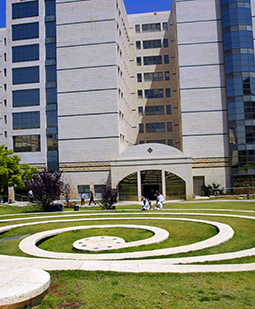
The Division is affiliated with the Sackler Faculty of Medicine at Tel Aviv University. Physicians hold academic positions, teaching medical students and residents, as well as training specialists in bariatric surgery disciplines.
The Bariatric Surgery Center at Rambam Medical Center is recognized locally, statewide, nationally and even internationally as a top choice for those who are ready for weight-loss surgery.
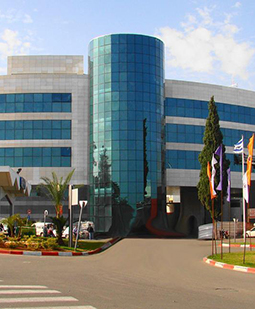
The second largest hospital in Israel, Rabin Medical Center is a tertiary care hospital that can handle the most complicated cases in all medical fields.
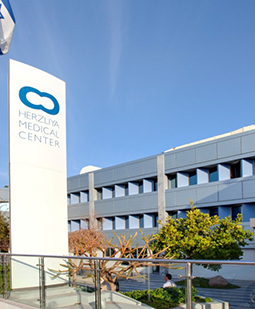
A private hospital located on the shorelines of Herzliya, just off Tel Aviv, offering healthcare services to both local and foreign patients. The hospital is affiliated with over 500 Israeli physicians, many of whom hold high level positions at public hospitals.
DoctorsJRDr. Joseph R. KorianskyAEDr. Avinh EliezerView all 3
Hadassah medical institution includes two university hospitals in Jerusalem – on Mt. Scopus and in Ein Kerem. Both provide advanced tetriary healthcare services in all medical specialties.
One of the largest hospitals in Israel with 900 beds and 700 physicians. The hospital serves 1000 medical tourists annually, providing advanced medical care at the highest western standards.
What is Gastric Band Surgery?
Gastric band surgery (Lapband) is a weight loss procedure which reduces the capacity of the stomach so the patient can only eat small amounts of food. The gastric band is an inflatable balloon that creates an upper pouch in the stomach. The pouch fills quickly and enables the food to pass more slowly into the lower stomach and the digestive system.
How is the Gastric Band (Lapband) procedure carried out?
The gastric band is most commonly fitted using laparoscopic surgery:
The surgeon makes a number of small incisions in the abdomen and uses a laparoscope to guide the instruments to place the adjustable band around the top of the stomach.
The surgeon locks the band in place and closes the incisions with stitches.
Two months later, the balloon inside the gastric band is filled with saline through an injection site on the outside of your body to make the band tighter.
The amount of saline is adjusted over time depending on how much weight is lost.
Who is a suitable candidate for Gastric Band (Lapband) surgery?
Gastric band surgery is suitable for people who have tried other forms of weight loss without success.
According to the National Institutes of Health, if you are very overweight with a BMI of over 40, or you have a BMI between 35 and 40 and a weight-related medical condition such as diabetes or high blood pressure, you may be suitable for gastric band surgery.
What are the chances of success with Gastric band (Lapband) surgery?
Results vary with gastric banding. According to WebMD, lap- band surgery contributes to a weight loss of about 40 percent of excess weight, on average, per person.
About Gastric Band Surgery
Key facts to plan your treatment: how long it takes, your hospital stay, anaesthesia, risks and recovery.
Duration of surgery/treatment
Lapband surgery usually takes around one hour to co-mplete.
Days admitted
Lap-band surgery requires a one-night stay.
Anesthesia
General anesthesia
Recovery
Recovery after a gastric band surgery procedure takes around two weeks.
Risks
The mortality rate is quite low: only 1 in 2000.
Complications occur in approx. 10% of patients.
Potential complications include:
- Gastritis (irritated stomach tissue).
- Erosion: The band may slowly migrate through the stomach wall to the inside.
- Stomach Slippage: An unusual occurrence in which the lower part of the stomach may prolapse through the band causing an enlarged upper pouch.
- Malposition of the band: Which can cause a kink in the stomach.
- Psychological intolerance
- Internal bleeding
- Infection
After care
- Start with liquids for 24 hours and move onto eating very small amounts of food at each meal, chewing food slowly.
- You need to eat a healthy, sensible diet and get regular exercise in order for the gastric band surgery to work.
- Take over-the-counter pain killers to relieve discomfort.
- Do not drive, drink alcohol or operate machinery for 48 hours after gastric band surgery.
- You will receive adjustments, or “fills”, to the amount of saline fluid in the gastric band five or six times in the first year.

 Public University Hospital
 JCI
 ISO