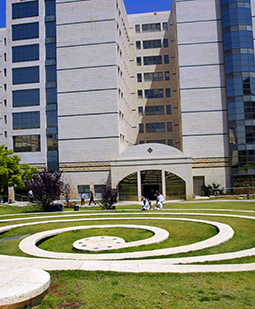
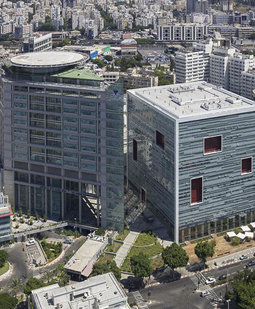
The largest medical center in Israel and the Middle East, internationally renowned for it's medical excellence. Around 31,000 inpatients are treated annually.
The Tel Aviv Sourasky Medical Center IVF Laboratory is one of the largest in Israel and among the most advanced in the world. In vitro fertilization is the process of fertilizing eggs in laboratory conditions outside of a woman’s body, and reintroducing the embryo into a woman’s womb for growth.
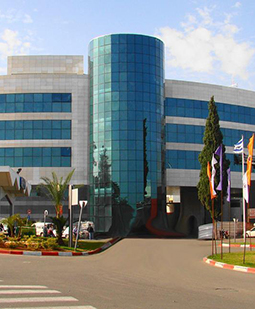
A private hospital located on the shorelines of Herzliya, just off Tel Aviv, offering healthcare services to both local and foreign patients. The hospital is affiliated with over 500 Israeli physicians, many of whom hold high level positions at public hospitals.
DoctorsPODr. Pauline OstrovskyROProf. Raoul OrvietoView all 26
The division's In-Vitro-Fertilization (IVF) Unit is renowned for its high rate of successful pregnancies.The division is one of the largest at Rambam Health Care Campus, and includes a team of 40 physicians and approx 100 nurses.
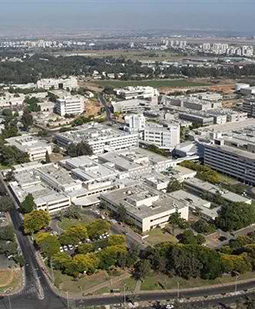
The second largest hospital in Israel, Rabin Medical Center is a tertiary care hospital that can handle the most complicated cases in all medical fields.
DoctorsMHProf. Moshe HodBFProf. Benjamin FischView all 3
One of the largest hospitals in Israel with 900 beds and 700 physicians. The hospital serves 1000 medical tourists annually, providing advanced medical care at the highest western standards.
Hadassah medical institution includes two university hospitals in Jerusalem – on Mt. Scopus and in Ein Kerem. Both provide advanced tetriary healthcare services in all medical specialties.
DoctorsNLProf. Neri LauferARDr. Ariel RavelView all 3
What is ICSI?
ICSI (IntraCytoplasmic Sperm Injection) is a fertility procedure used within the IVF (in vitro fertilization) process. ICSI fertility treatment is carried out by injecting a single sperm into an egg, which is then transferred into the womb.
ICSI is used as a fertility procedure when the man has a low sperm count, doesn’t produce enough good-quality sperm that are able to reach and penetrate the egg, or has problems concerning anti-sperm antibodies.
ICSI helps bypass the need for donor sperm. Some couples move from IVF treatment to ICSI if they can’t retrieve enough viable eggs to be fertilized in vitro.
How is ICSI carried out?
The woman first takes fertility drugs to stimulate the ovaries for fertilization while the man produces a sample of sperm. If he has no sperm in his semen, doctors extract it under anesthesia using a needle. The doctor removes the woman’s eggs with a needle and a single sperm is injected into an individual egg. The fertilized eggs become embryos and are transplanted into the uterus. Any remaining embryos may be frozen for possible use in the future.
How often is ICSI used?
According to the Centers for Disease Control and Prevention, nearly half of all IVF procedures in the United States involve ICSI. ICSI is one of the most successful procedures for treating male infertility.
What are the chances of success with ICSI?
The chances of a successful ICSI varies between clinics and are dependent on the woman's age, male and female reproductive health, doctor's experience and methods used, among other factors.
According to the Human Fertilization & Embryology Authority from the UK, the percentage of ICSI cycles in 2006 that resulted in a live birth was as follows:
Woman's Age
Chances of a live birth as a result of ICSI
under 35
33.2 %
35–37
27.1 %
38–39
20 %
40–42
11.5 %
43–44
4.5 %
over 44
8.5 %
About ICSI
Key facts to plan your treatment: how long it takes, your hospital stay, anaesthesia, risks and recovery.
Duration of surgery/treatment
One full cycle of ICSI takes between 4 and 6 weeks to carry out.
The egg and sperm retrieval process takes a full day and couples return two days after for the embryo implant.
Around two weeks later
Days admitted
None.
Anesthesia
Egg collection may be performed under general anesthesia or local anesthesia.
Recovery
ICSI procedures are carried out on an outpatient basis and require a short recovery time of around a day, when the patient is advised to avoid strenuous activities.
Risks
Because ICSI is a relatively new procedure, there are fewer consensuses regarding risk than with more established procedures.
Risks include:
- Possible higher rates of miscarriage.
- Long-term health of children may be affected, although research has been mostly reassuring.
- Possibility of the male child born through ICSI inheriting his father’s infertility.
- Increased risk of multiple pregnancy.
- Embryos that are frozen are less likely to result in a live birth than newly-fertilized embryos.
After care
- Take pain killers to minimize any discomfort following the ICSI procedures.
- Doctors advise patients to relax as much as possible for the day following egg extraction and implantation.

 Public Hospital
 JCIPrice on request
 ISO