Key planning information for laminectomy in Spain.
$10,500 fromLowest listed price
1–3 hrsProcedure time
1–3 daysHospital stay
15 hospitalsList laminectomy
Laminectomy in Spain is listed from US$10,500 to US$11,000 at 15 hospitals. The operation takes 1 to 3 hours, with 1 to 3 days in hospital. Each hospital quotes its own price for your case.
Prices last updated Jul 2019
Cost of Laminectomy in Spain
Table of prices by type of procedure, in US$. Each hospital quotes its own price for your case.
Procedure
Minimum price
Maximum price
Laminectomy
$10,500
$11,000
Price starting from $10,500 up to $11,000 · last updated Jul 2019.Final prices are quoted by each hospital
Hospitals and clinics offering Laminectomy in Spain
Laminectomy is listed by 15 hospitals in Spain. The order reshuffles every hour so each gets equal exposure.
We are working hand in hand with the University of Malaga and other international centres to develop education and training programmes in this area. This field is managed by a team belonging to the field of Neurology, Clinical Neurophysiology and Clinical Psychology.
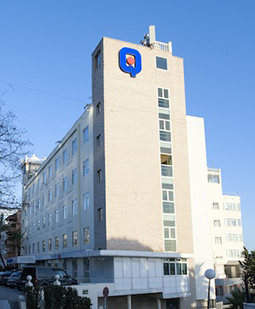
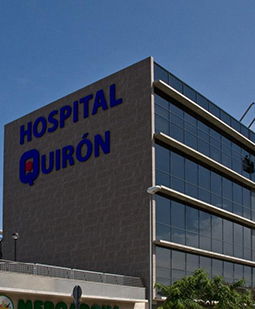
With more than 36 medical specialties, 200 physicians and surgeons of the highest level, Quironsalud Hospital Malaga is one of the most pertinent hospitals in Spain.
A neurosurgery center within Quiron Hospital Barcelona, specializing in minimally invasive surgeries on the spine. The Barcelona Spine Centre team of three neurosurgeons have over 15 years of experience in the field of neurosurgery.
DoctorsPCDr. Pablo ClavelMCDr. Marcelino CaballeroView all 3
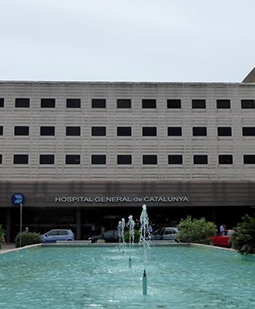
Hospital General de Catalunya provides medical services in over 25 specialties, being one of the most technologically advanced hospitals in Europe, with an excellent medical care capacity to carry out complex surgeries and medical conditions.
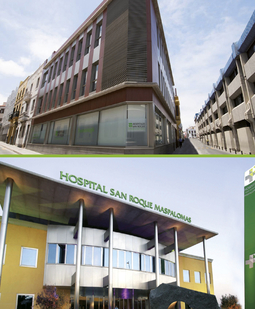
The board-certified physicians at Hospitales San Roque neurosurgery clinics provide surgical therapy for injuries and diseases of the brain, spine and peripheral nerves.
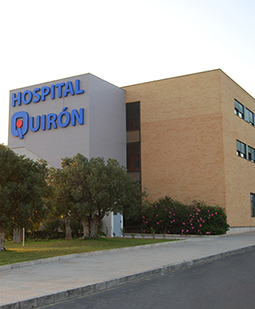
Quironsalud Hospital Torrevieja is an ISO-certified private hospital located in the north of Torrevieja, championing excellence in cancer treatment and management. IMTJ Best International Hospital of the world (awards 2017)
Hospital Ruber Internacional by Quirónsalud is designed as a "whole hospital". Thus, achieving maximum efficiency in the organization and development of the various medical, welfare, educational and research activities
This international hospital incorporates prestigious doctors, invests in research and development, technology and continuing education that enhances skills, in facilities, and in an increased operational efficiency in order to provide nothing but the best
An ISO certified modern private hospital, which was opened in 2006, and is part of the Quironsalud Hospital Group. This tertiary care hospital has certified medical specialties capable of treating the most complicated medical cases.
HM Hospitales is a hospital group with six private hospitals in Madrid: three general hospitals, a cardiovascular hospital, an oncological center and a women's health hospital.
What is Laminectomy?
Laminectomy is a surgical procedure commonly performed as a treatment for low back pain due to injury, spinal abnormalities or disc degeneration.
How is Laminectomy Performed?
In this procedure, a small fragment of the spinal disc is removed to relieve pain. The patient is required to lie down on the operating table with the face down. An incision is made over the particular vertebrae and deeper to the lamina. The nerve root is pulled back to the middle of the spinal column, and the disk or part of the disk is removed.
How to prepare for Laminectomy?
The patient should inform the doctor about any ailments, medical conditions and medication that the patient may be taking.
The patient should not smoke for several days before the surgery.
Two weeks prior to the surgery, the doctor may stop certain medication that the patient may be taking.
The doctor may advise patients undergoing a lumbar spine fusion surgery to take Fleets enema the night before the surgery.
The patient may need to give the following tests and examinations:
Physical examination
Electrocardiogram
X-rays
Blood and urine tests
Anesthesia interview
About Laminectomy
Key facts to plan your treatment: how long it takes, your hospital stay, anaesthesia, risks and recovery.
Duration of surgery/treatment
1 to 3 hours
Days admitted
1 to 3 days
Anesthesia
General anesthesia
Recovery
- The patient is kept in a recovery room until the patient regains consciousness.
- The patient can lie on the side or back.
- A catheter may be placed in the patient’s bladder.
- Pain medication may be prescribed by the doctor.
- The patient may be required to wear compression stocking to minimize the possibilities of blood clots.
- The patient may be asked to move about after the anesthesia wears off.
- The surgeon may schedule a checkup a week after the surgery to ensure that the wound is healing and there are no post-surgery complications. Stitches or staples may also be removed during this visit.
- Follow up visits may be scheduled by the surgeon.
Risks
The risks involved in laminectomy are:
- Vertebral bone infection
- Spinal nerve damage
- No relief from pain
- Problem in the spinal column that is above and below the area of lumbar spine fusion
- Bowel or bladder dysfunction
- Sexual dysfunction
- Numbness
- Weakness
- Paralysis
- Leakage of cerebrospinal fluid
- Injury to other organs and blood vessels
The general risks involved in any surgery include:
- Infection
- Bleeding
- Breathing problems
- Blood clot
- Stroke
- Adverse reaction to medication and anesthesia
After care
- Patients may sleep on their backs with pillows placed under the neck and knees. Alternatively, they may lie on their sides with knees bent slightly, and a pillow placed between the knees.
- Bending over should be avoided or minimized.
- Driving and doing light activities should be avoided for one to two weeks after surgery.
- Short walks every day is recommended to speed up recovery and reduce pain.
- Patients with a sedentary job may return to work in one to two weeks after surgery. However, patients with strenuous jobs may need to avoid working for two to four months.
The doctor should be contacted if the following symptoms occur:
- Redness, swelling and bleeding from the incision
- If staples or stitches come off
- Fever
- Severe pain in the legs, back and backside
- Urinating inability
- No control over bowels or bladder
- Swelling, redness and pain in one of the legs
- Inability to move legs
- Severe headache
- Chest pain and breathing difficulty

 Private Hospital
 JCIPrice on request

 ISO