Key planning information for dor procedure in Israel.
20–30 minsProcedure time
8 daysHospital stay
5 hospitalsList dor procedure
DOR procedure in Israel is priced per case at 5 hospitals. The operation takes 20 to 30 minutes, with 8 days in hospital. Each hospital quotes its own price for your case.
Hospitals and clinics offering DOR procedure in Israel
DOR procedure is listed by 5 hospitals in Israel. The order reshuffles every hour so each gets equal exposure.
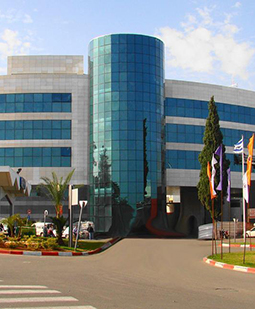
The largest medical center in Israel and the Middle East, internationally renowned for it's medical excellence. Around 31,000 inpatients are treated annually.
DoctorsERProf. Ehud RaananiJLProf. Jacob LaveeView all 5
The Department of Cardiac Surgery has a highly experienced professional team that utilizes state-of-the-art equipment to provide patients with a broad spectrum of surgical heart procedures.
The largest and most advanced facility devoted to cardiothoracic surgery in Israel, its operating theaters are equipped with the most sophisticated technology and cutting edge equipment available today.
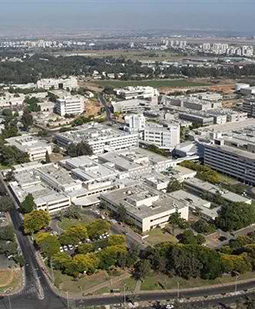
One of the largest hospitals in Israel with 900 beds and 700 physicians. The hospital serves 1000 medical tourists annually, providing advanced medical care at the highest western standards.
What is the Dor Procedure?
The DOR procedure, also known as Endoventricular Circular Patch Plasty (EVCPP), is a heart reconstructive surgical procedure that is performed to treat an aneurysm that forms after a heart attack.
During the DOR procedure, the left ventricle is cut to expose the damaged area. The scarred aneurysm is tied with a looped stitch which is used to shrink it. The left ventricle is restored to its normal shape and size after the DOR procedure. The DOR procedure enhances ejection fraction and reduces the Left Ventricular End Systolic Volume Index (LVESVI). Chest pain and other symptoms are reduced and the pumping ability of the heart is improved.
The DOR procedure is an open-heart surgery. Therefore, if required, the surgeon may perform a coronary artery bypass graft (CABG) surgery or a valve repair surgery in addition to the DOR procedure.
How is the DOR Procedure Performed?
The DOR procedure is usually performed after coronary artery bypass graft surgery.
A small incision is made in the left ventricle to locate the position of the scarred aneurysm.
A couple or more circular stitches are made around the edge of the aneurysm that separates it from the rest of the tissues.
The stitches are tied together to separate it completely.
Sometimes a part of the scarred aneurysm is removed before the stitches are tied together.
If the amount of scarred tissue is too large and the standard stitches are inadequate, a Dacron patch is placed.
The left ventricle is closed with stitches after the DOR procedure.
How to Prepare for the DOR Procedure?
The patient may be required to take certain medication prescribed by the surgeon.
Certain medication that the patient is taking may be stopped two weeks before the surgery.
Some surgeons may instruct patients to shower using an antiseptic skin cleanser before the surgery.
The patient should not eat or drink anything for 6 to 8 hours before the surgery.
The patient can take medication with a small sip of water.
The patient needs to undergo some tests such as the following:
MRI
PET
Echocardiogram
Electrocardiogram
Routine blood tests
Chest X-ray
About DOR procedure
Key facts to plan your treatment: how long it takes, your hospital stay, anaesthesia, risks and recovery.
Duration of surgery/treatment
The DOR procedure takes approximately 20 to 30 minutes, but it is part of an open heart operation, which usually takes 3 to 4 hour.
Days admitted
Approximately 8 days
Anesthesia
General anesthesia
Recovery
- The patient is placed on an anti-coagulant to decrease the risk of blood clots.
- During hospitalization, the patient will undergo cardiac rehabilitation to help in recovery.
- Some patients require an Implantable Cardioverter-Defibrillator (ICD) to treat a severe form of abnormal heart rhythm.
- The patient needs to follow the specific guidelines set by the doctor.
- The patient should follow a 2,000 mg sodium diet.
- Fluids should be limited to 8 cups or less in a day.
- The patient should be active and follow a regular regimen of exercise.
- Weight should be monitored each day. Patients should watch out for a sudden weight increase of five pounds a week or two pounds a day.
- The patient should continue taking the medications prescribed by the doctor.

 Public Hospital
 JCIPrice on request


 ISO