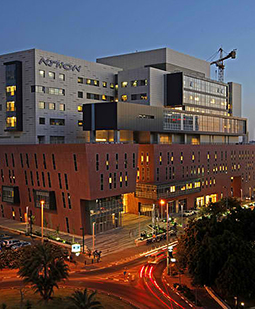
 Private Hospital
Tel Aviv, Israel
 JCIPrice on request
The new Assuta Hospital was opened in 2009, and claims to be the most modern hospital in the middle east.
Price
Contact for quote
Orthopedics care in Israel
Hospitals and medical centers in Israel who have Knee & Thigh Surgeryspecialists.
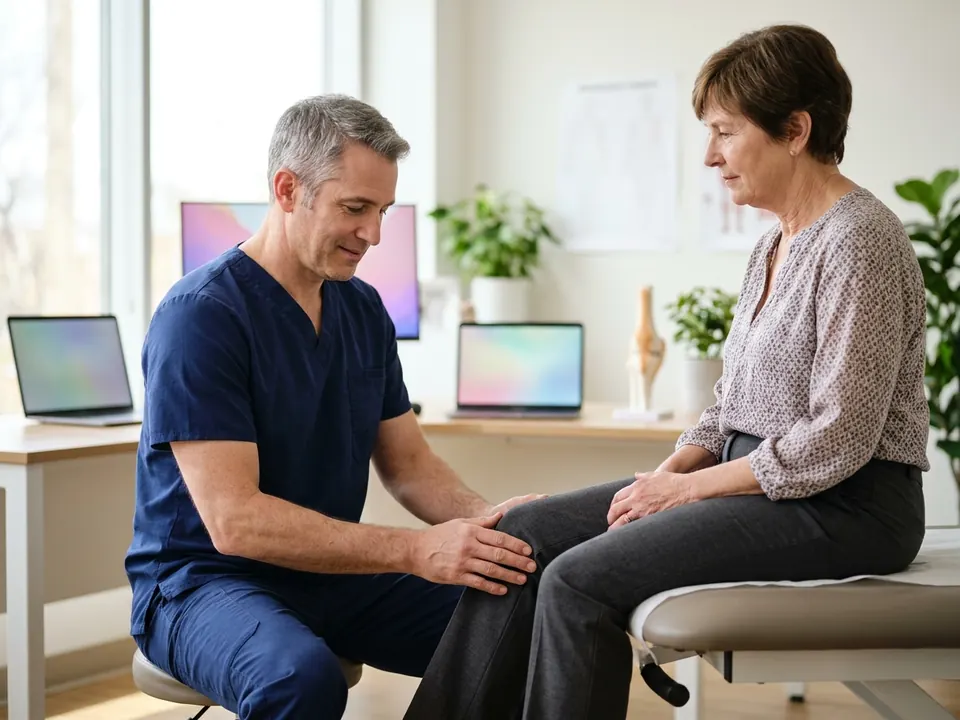
Key planning information for knee & thigh surgery in Israel.
Knee & Thigh Surgery in Israel is priced per case at 5 hospitals. Each hospital quotes its own price for your case.
Knee & Thigh Surgery is listed by 5 hospitals in Israel. The order reshuffles every hour so each gets equal exposure.
Private HospitalJCIPrice on requestThe new Assuta Hospital was opened in 2009, and claims to be the most modern hospital in the middle east.
 Public University HospitalJCIPrice on request
The Orthopedic Surgery Section has been the concentration of surgical care at the Rambam Health Care Campus.
 Private Hospital
A private hospital located on the shorelines of Herzliya, just off Tel Aviv, offering healthcare services to both local and foreign patients. The hospital is affiliated with over 500 Israeli physicians, many of whom hold high level positions at public hospitals.
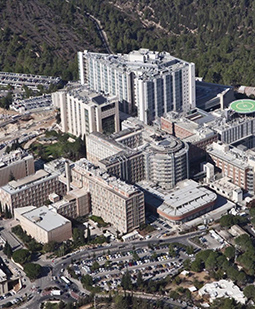 University Hospital
Hadassah medical institution includes two university hospitals in Jerusalem – on Mt. Scopus and in Ein Kerem. Both provide advanced tetriary healthcare services in all medical specialties.
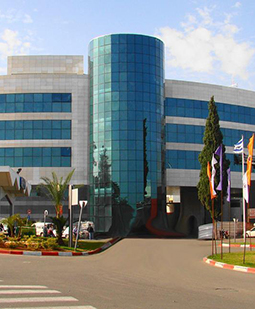 Public Hospital
 ISOPrice on request
One of the largest hospitals in Israel with 900 beds and 700 physicians. The hospital serves 1000 medical tourists annually, providing advanced medical care at the highest western standards.
This is a type of surgery that is done to relieve pain and disability on the femur and knee areas of the leg. The procedure usually involves replacing parts located within this area to ease disability. The surgery may be invasive or no invasive. The type of procedure conducted will usually depend on the extent of the injury.
The most common cause of knee problems is arthritis. In such a case, the doctor will conduct a blood test to determine if the person is suffering from arthritis. An X-ray may also be conducted to determine if the person has suffered any type of hairline fractures.
This will normally entail conducting a CT scan or an MRI scan. An X-Ray scan may be conducted to reveal any deformities in this area. The doctor usually follows up any tests with a careful review of the patient’s medical history. He/she will also require to examine the patient’s lifestyle. For instance, obesity may cause problems in the knees and other joints.
An arthroscopic camera may also be used to diagnose the knee. A special fluid is first inserted through a small incision to clear up the knee joint and allow easy viewing. The images the doctor sees will help determine what needs to be done.
The treatment may involve removing torn pieces of cartilage. Torn meniscus may also be repaired or removed. Fragments of crushed bones may be removed from the knee and thigh.
The treatment may involve total replacement of the femur or the knee. This type of procedure is extreme and only occurs when no other option is available. The knee or femur is replaced with artificial substitutes. At times, if the ligaments are torn, they may be reattached to the thigh with special sutures.
Key facts to plan your treatment: how long it takes, your hospital stay, anaesthesia, risks and recovery.
Common questions
Have a question? Get a free consultation.
Choose a hospital and send your enquiry to its international patient team. Each replies with its own price and plan.
Free consultation • No obligation