Key planning information for cystoscopy in Thailand.
$250 fromLowest listed price
20 minsProcedure time
6 hospitalsList cystoscopy
Cystoscopy in Thailand is listed from US$250 to US$800 at 6 hospitals. The operation takes 20 minutes. Each hospital quotes its own price for your case.
Prices last updated Jun 2012
Cost of Cystoscopy in Thailand
Table of prices by type of procedure, in US$. Each hospital quotes its own price for your case.
Procedure
Minimum price
Maximum price
Cystoscopy
$250
$800
Price starting from $250 up to $800 · last updated Jun 2012.Final prices are quoted by each hospital
Hospitals and clinics offering Cystoscopy in Thailand
Cystoscopy is listed by 6 hospitals in Thailand. The order reshuffles every hour so each gets equal exposure.
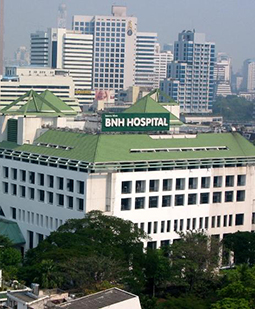
BNH Women's Health Center has over 30 Obstetrics & Gynecology specialists, treating thousands of women every year. Services include maternity, gynecological check-ups, gynecological surgery, and infertility treatments.
DoctorsAPAssoc. Prof. Damrong TresukosolAPAssoc. Prof. Manee RattanachiyanontView all 26
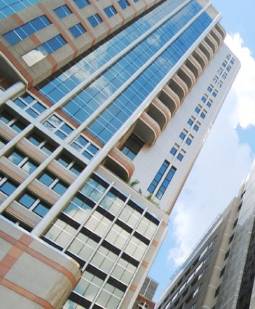
Vejthani is a 500 bed private hospital that serves international patients from over 40 countries annually. The hospital has all necessary services to accomodate medical tourists.
DoctorsTJDr. Theerayut JongwutiwesMTDr. Mongkolchon TiravanichkulView all 17
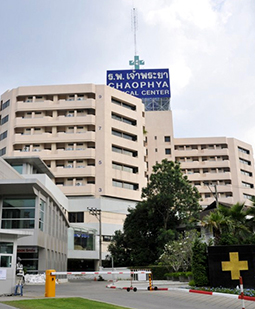
The Chaophya Hospital is a JCI accredited, tertiary private hospital in Bangkok, Thailand, which has been in operation since 1991. It has an international department which offers a comprehensive range of supporting services to foreign patients.
DoctorsPCProf. Pichai CharoenpanichAKProf. Amorn KoetsawangView all 14
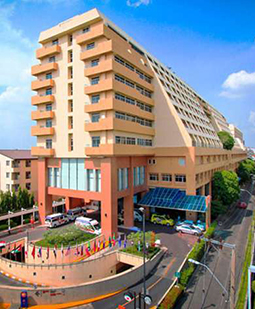
Having been in operation for 65 years, this private hospital provides a wide range of medical services to the locals of Phuket and medical tourists. It is a part of the Seventh-day Adventist Church’s international health care mission.
Being established in 1993, this tertiary private medical institution offers a wide range of medical care services. It has 350 in-patient bed capacity and is accredited by the Hospital Accreditation of Thailand.
DoctorsTTDr. Thawatchai TansathitAPAssist. Prof. Wirawit PiyamonogkolView all 10
What is Cystoscopy?
Cystoscopy is a procedure in which the bladder is examined using a cystoscope. Cystoscopy is performed by a urologist or a urologic surgeon.
Cystoscopy is usually done to identify abnormalities in the bladder. It is also performed during surgeries of the urinary tract. During a cystoscopy, the urethra, prostrate, bladder, and ureters are examined.
If abnormalities are discovered during cystoscopy, surgery can be performed. Cancer, urinary tract disorders, infection and causes of pain during urination may be diagnosed during cystoscopy.
How is Cystoscopy Performed?
A cystoscope is used to perform cystoscopy. The cystoscope is a special endoscopic tube with a tiny camera attached to the end. Cystoscopes may be rigid or flexible. The doctor will determine which type of cystoscope to use depending on the purpose of the cystoscopy. The urethra is cleansed first. Then, medicine is applied to numb the lining inside the urethra. The cystoscope is then inserted into the bladder through the urethra. Water or saline water is filled in the bladder through the cystoscope. The patient is then asked to express the feeling, through which the patient’s condition is known. The bladder wall is stretched when the fluid fills the bladder. When this happens, the patient may feel the urge to urinate. However, the bladder should remain full through out the examination. Abnormal tissues are extracted through the cystoscope and sent for lab analysis.
How to Prepare for Cystoscopy?
The doctor should be informed if the patient is:
Allergic to any medicines and anesthesia.
Suffering from any ailments or medical conditions, including pregnancy.
Taking any medication
Arrangements should be made for someone to drive the patient home
The patient may be given medication to prevent a urinary tract infection that may result after cystoscopy.
About Cystoscopy
Key facts to plan your treatment: how long it takes, your hospital stay, anaesthesia, risks and recovery.
Duration of surgery/treatment
Approximately 20 minutes
Days admitted
Cystoscopy is usually done as an outpatient procedure.
Anesthesia
The procedure is usually done under local anesthesia. General or spinal anesthesia is administered if required.
Recovery
- The patient may have blood in the urine and experience a burning sensation while urinating for a couple of days after the surgery.
- The patient is required to drink plenty of fluids to help alleviate the burning sensation and avoid a urinary tract infection.
- The urine is slightly pink in color many days after cystoscopy.
Risks
The risks involved in cystoscopy are:
- Excessive bleeding
- Infection of the bladder
- Bladder wall rupture
After care
- The patient is required to drink 4 to 6 glasses of water per day after the cystoscopy.
The patient should contact the doctor if the following symptoms of infection occur:
- Fever
- Chills
- Pain
- Urine
- Decrease in urine output
- Dribbling of urine
- Lower abdominal pain and discomfort.
- Excessive bleeding
- Testicular pain
 Private Hospital
 JCI
 Thai HA

 Private Hospital
 Private Hospital
 Private Hospital
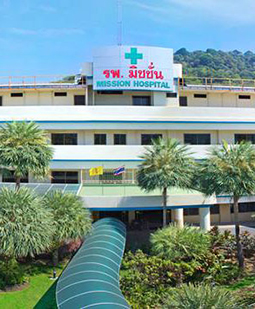 Non-profit Hospital
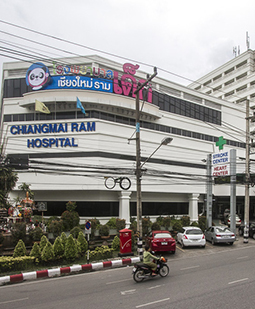 Private Hospital
 ISO