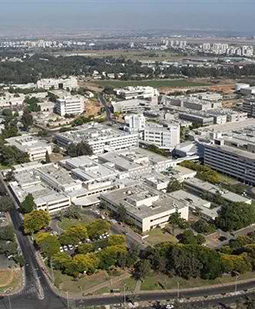
The largest medical center in Israel and the Middle East, internationally renowned for it's medical excellence. Around 31,000 inpatients are treated annually.
DoctorsM(Prof. Mordechai (motti) GutmanYGDr. Yuri GoldesView all 6
The General Surgery Section admits 6,000 new patients every year. Almost 3,000 surgical procedures are performed by the section annually.
DoctorsYKProf. Yoram Kluger, MDAADr. Ahmed Assalia, MDView all 3
PricesSurgical Resection of Hemorrhoids $6,200 – $7,200Hemorrhoids Surgery upon requestInfrared Coagulation of Hemorrhoids upon requestRubber Band Ligation for Hemorrhoids upon requestSclerotherapy upon request
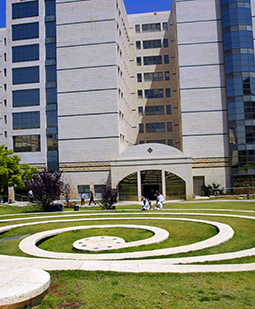
The second largest hospital in Israel, Rabin Medical Center is a tertiary care hospital that can handle the most complicated cases in all medical fields.
DoctorsZDProf. Zeev DreznikAProf. A.ZelikovskiView all 4
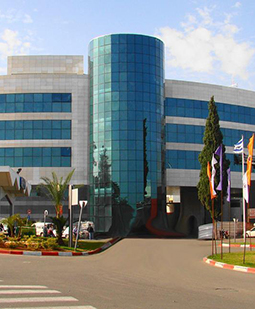
A private hospital located on the shorelines of Herzliya, just off Tel Aviv, offering healthcare services to both local and foreign patients. The hospital is affiliated with over 500 Israeli physicians, many of whom hold high level positions at public hospitals.
DoctorsGLDr. Guttman LiveDRDr. David R. NeufeldView all 88
Hadassah medical institution includes two university hospitals in Jerusalem – on Mt. Scopus and in Ein Kerem. Both provide advanced tetriary healthcare services in all medical specialties.
One of the largest hospitals in Israel with 900 beds and 700 physicians. The hospital serves 1000 medical tourists annually, providing advanced medical care at the highest western standards.
What is Hemorrhoid Surgery?
Hemorrhoid surgery (hemorrhoidectomy) is a surgical procedure that is performed to remove hemorrhoids. Hemorrhoids are swollen veins surrounding the anus. They occur inside or outside the skin of the rectum. As the surgical site is very sensitive area, hemorrhoid surgery causes a lot of pain.
How is Hemorrhoid Surgery Performed?
Hemorrhoid surgery may be performed in different ways; some of the methods are listed below:
Rubber band ligation
This procedure involves tying a rubber hand over internal hemorrhoids that obtrude during bowel moments. The blood supply is cut off by the rubber band. Within a few days after this procedure, the rubber band and the hemorrhoid will fall off. In a couple of weeks, the wound will heal. The patient may experience mild pain and bleeding.
Sclerotherapy
In this procedure, a chemical solution is injected into the blood vessels around the hemorrhoid to shrink it. It is effective in treating non-protruding hemorrhoids that bleed.
Infrared coagulation
Infrared coagulation is also an effective treatment for non-protruding hemorrhoids that bleed. In this procedure, a special device that uses heat is applied in the treatment of hemorrhoids.
Surgical resection
Incisions are made around the anus to cut the hemorrhoids out. Special staplers or sutures may be used during the surgery.
How to Prepare for Hemorrhoid Surgery?
The patient should inform the doctor about any medical ailments or conditions such as heart disease, diabetes or pregnancy.
The patient should tell the doctor about any drugs that the patient may be taking with or without a prescription.
Some types of medications that the patient may be taking are stopped some days before the surgery.
About Hemorrhoids Treatment
Key facts to plan your treatment: how long it takes, your hospital stay, anaesthesia, risks and recovery.
Days admitted
Hemorrhoid surgery is usually done as an outpatient procedure
Anesthesia
Local or general anesthesia
Recovery
- Hemorrhoid surgery is an effective form of treatment for hemorrhoids. However, after the surgery, the patient should eat a high fiber diet and maintain good hygiene to avoid recurrence of hemorrhoids.
- Pain medications may be prescribed to relieve post operative pain.
- The patient can recover in two weeks after the surgery.
- The patient should drink six to eight glasses of water per day to avoid constipation.
- The patient may also need to take fiber supplements.
- The patient should not involve in lifting heavy objects and other strenuous activities until the wound has healed.
- The patient may need to take sitz baths, which involves sitting in warm water for a few times in a day.

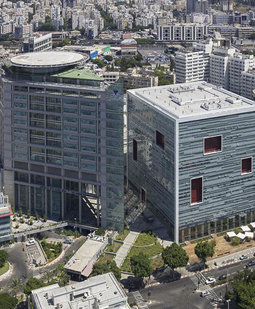 Public University Hospital
 JCI
 ISO