At a glance
Key planning information for sports injury rehabilitation in Thailand.
Sports Injury Rehabilitation in Thailand is priced per case. Each hospital quotes its own price for your case.
Hospitals and clinics offering Sports Injury Rehabilitation in Thailand
The order reshuffles every hour so each gets equal exposure.
No hospitals are listed here yet.
Description of Sports Injury Rehabilitation:
What is sports injury rehabilitation?
It is a safe approach that assists athletes and sports enthusiast to successfully diagnose and treat pain so as to return to normal function or realize optimal performance.
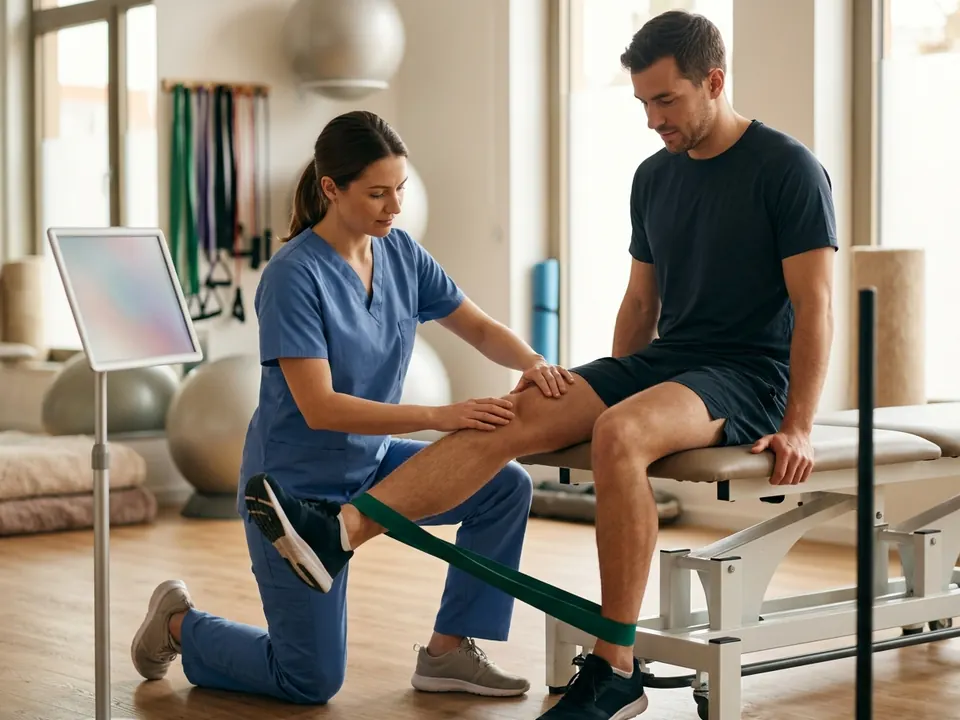
Sports injury rehabilitation combines treatment with detailed flexibility and strengthening exercises. The exercises are included gradually to the rehabilitation program to ensure that the injury site regains its full function. Sports injury rehabilitation will involve a team of healthcare professionals who will assist in developing tailored programs for each individual as well as giving advice on various aspects of the healing.
Rehabilitation programs understand that everyone is different and that response to various exercises is not the same. They aim at restoring muscle strength, balance, power and endurance, proprioception and improve flexibility.
What are the benefits of sports injury rehabilitation?
- Mobility deficiencies are improved through tailored exercise programs
- Targeted exercises are used to aid your return to function as before the injury
- It aids in achieving peak performance
- It helps decrease vulnerability to additional sports related injuries
What injuries or conditions does sports injury rehabilitation treat?
- Strains
- Muscle, ligament and tendon repairs
- Hand injuries
- Acute sports injuries
- Sprains
- Tendonitis
- Foot or ankle dysfunction
- Shoulder dislocation
- Post surgery rehabilitation
- Meniscus tears
- ACL reconstruction
- Bursitis
- Rotator cuff repair
- Musculoskeletal injuries
Stages of rehabilitation
Sports injury rehabilitation has three recognized stages which are:
- Early stage: This stage involves gentle exercise so as to allow damaged tissue to heal. This stage is crucial and if rushed leads to poor healing leaving you prone to re-injury.
- Mid-stage: This stage involves gradually loading the bones, muscles tendons, and/or ligaments. This develops tensile strength and heals the tissue enabling it to withstand regular exercise and strain.
- Late stage: This is the final stage and it involves using functional drills and exercises to stress the tissue and this enables it to adapt.
How long will the rehabilitation program last?
The severity and degree of the injury is the main determining factor on how long the rehabilitation will last. The method of therapy used also determines the length of the program. In addition, the willingness of the patient also affects the success and length of the program.
How soon can I start rehabilitation?
Exercises should start after the initial inflammatory phase which is usually 3 days. Most times, it should be painless. Pain is the body’s reaction and it should signal that you need to slow down or stop. However, some injuries such as Achilles and Patella tendon injuries have rehabilitation exercises that are not pain-free.
It is important to seek medical advice before beginning a sports injury rehabilitation program. For a successful rehabilitation program the following tips are crucial:
- Start rehabilitation as soon as possible, after the inflammation stage has passed.
- Be aware of how and why you are doing the exercises or treatment
- Follow a particular but tailored exercise program
- Make the most of the accessible facilities
Procedures and techniques used in sports injury rehabilitation programs include:
- Bracing and taping
- Modalities
- Fabrication of protective pads
- Manual therapy
- Functional activities
- Proprioceptive training
- Muscle reconditioning
About Sports Injury Rehabilitation
Key facts to plan your treatment: how long it takes, your hospital stay, anaesthesia, risks and recovery.
Patient reviews
Reviews coming soon.
Common questions
Frequently asked questions
Have a question? Get a free consultation.