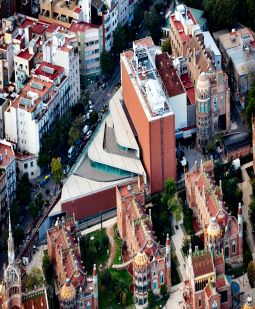
Fundació Puigvert state-of-the-art high technology equipment, including robotic surgery and minimally invasive approach, together with some of the world’s leading specialists and over 60 years of experience, allow the clinic to have served over 600.000 patients
DoctorsJPProf. Juan Palou Redorta, Prof, MD, PhDERProf. Eduard Ruiz CastañéView all 7
PricesExtracorporeal Shock Wave Lithotripsy upon request
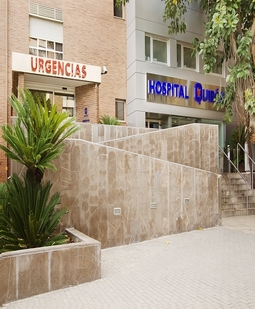
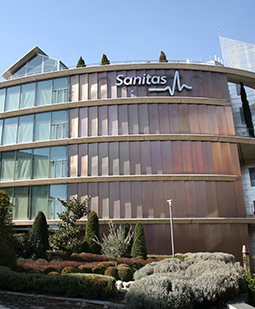
Sanitas Hospitales is among the foremost programs for delivering sophisticated, patient-centered care across the entire spectrum of adult and adolescent urological conditions.
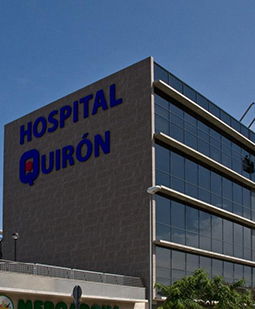
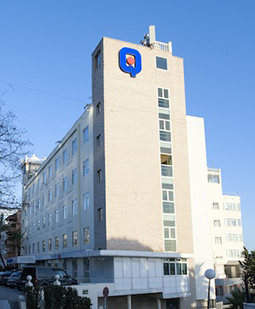
With more than 36 medical specialties, 200 physicians and surgeons of the highest level, Quironsalud Hospital Malaga is one of the most pertinent hospitals in Spain.
PricesExtracorporeal Shock Wave Lithotripsy upon request
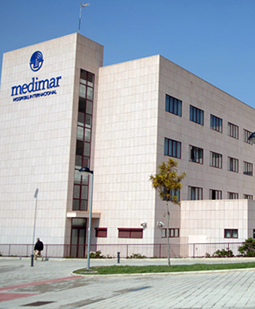
Medimar International Hospital is a tetriatry care hospital with 200 physicians, 50 resident and 150 affiliated, providing healthcare services to the residents of Alicante, as well as to over 25,000 foreign patients a year.
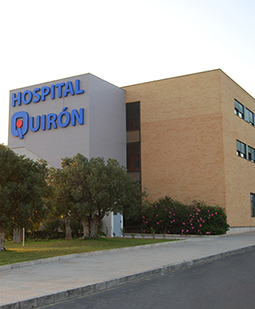
Quironsalud Hospital Torrevieja is an ISO-certified private hospital located in the north of Torrevieja, championing excellence in cancer treatment and management. IMTJ Best International Hospital of the world (awards 2017)
PricesExtracorporeal Shock Wave Lithotripsy upon request
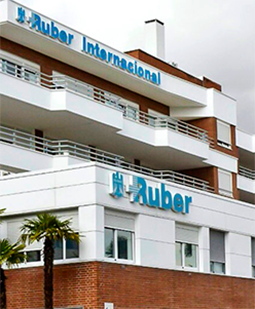
This international hospital incorporates prestigious doctors, invests in research and development, technology and continuing education that enhances skills, in facilities, and in an increased operational efficiency in order to provide nothing but the best
PricesExtracorporeal Shock Wave Lithotripsy upon request
HM Hospitales is a hospital group with six private hospitals in Madrid: three general hospitals, a cardiovascular hospital, an oncological center and a women's health hospital.
PricesExtracorporeal Shock Wave Lithotripsy upon request
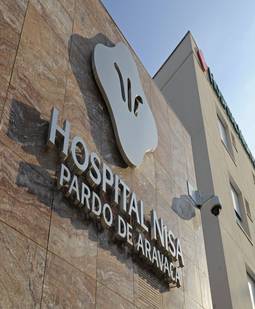
A modern (opened in 2007), general, private hospital located in Madrid, part of the NISA group of hospitals. The international patients department can assist patients with accomodation and trasportation, and can communicate in English as well as in Spanish.
PricesExtracorporeal Shock Wave Lithotripsy upon request
Hospital Quirónsalud Valencia is ranked as one of the best private schools in Spain, winning nine times in the TOP 20 award in recognition of its management and quality of care.
PricesExtracorporeal Shock Wave Lithotripsy upon request
What is Extracorporeal Shock Wave Lithotripsy (ESWL)?
ESWL is a procedure to break stones that are found in the kidney, urinary bladder or ureters etc, by using shock waves. It is a non-invasive form of treatment for stone removal by using auditory pulse. The stones are fragmented into tiny parts and passed out of the urine from the body.
How is ESWL Performed?
The patient is required to lie down on a water filled cushion placed on an examination table.
A mild sedative and antibiotics will be given to the patient.
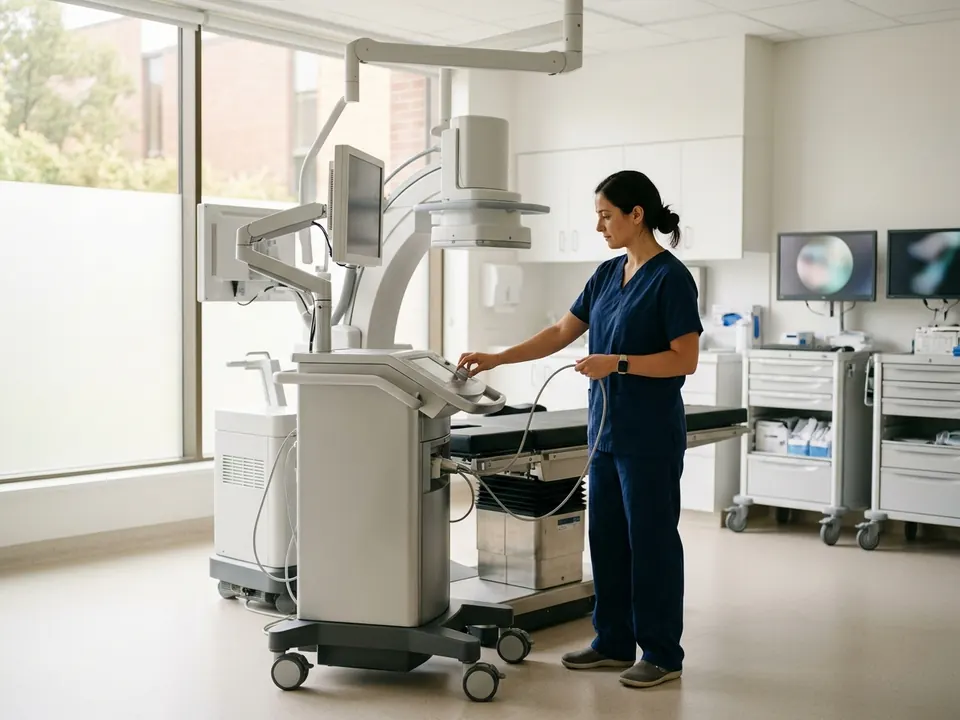
Ultrasound is used to view the accurate location of the stones.
Gel is spread on the patient's skin to enable proper contact with the lithotripter sensor.
Sound waves, which are high energy shock waves are passed through the patient's body, focusing exactly on each stone.
The waves reach the kidney stones and a light beating sensation is felt when this happens. The stones are broken into small bits with the help of the waves.
A drainage tube may be inserted into the kidney through the back. This is used to drain urine containing the tiny parts of stones from the kidney.
Commonly one kidney is treated per session.
How to Prepare for ESWL?
The doctor should be informed about any medication that the patient is taking with or without a prescription. These may include supplements or herbs or drugs.
Certain medication that the patient is taking may be stopped two weeks before the surgery.
The doctor should be informed if the patient has any ailments or medical conditions, such as heart disease or pregnancy.
The patient should avoid taking any solid or liquid food for 4 hours before the procedure.
If the patient needs to take medication, it may be taken with a small sip of water.
The patient's blood pressure and heart rate is measured and urine is tested before the procedure.
About ESWL
Key facts to plan your treatment: how long it takes, your hospital stay, anaesthesia, risks and recovery.
Duration of surgery/treatment
45 minutes to 1 hour
Days admitted
ESWL is done as an outpatient procedure.
Recovery
- The patient is taken to the recovery room for about 2 hours after the procedure.
- Pain relieving medication may be prescribed for about 2 days after the procedure.
- Antibiotics may also the prescribed to reduce any chances of infection.
- Follow up appointment are scheduled before the patient is discharged.
- The patient can recover to perform normal activities after about 2 days.
Risks
- Pain and discomfort
- Blood in the urine when the stone fragments are passing out for approximately 3 days
- Bruises in the skin of the abdomen or groin
- Kidney infection
- Uterus blockage
- Damage to the kidneys
- Ulcer in the stomach or small intestine
- Stone fragments being left behind in the body
After care
- The patient should rest at home after the procedure.
- Pain medication should be taken according to the doctor’s instructions.
- The patient should drink plenty of water and clear liquids to help the kidney stones pass out of the urine.
The doctor should be contacted if the following symptoms of urinary tract infection are detected:
- Severe prolonged pain
- High fever
- Urine odor
- Burning sensation while urinating
- Difficulty in passing urine
- Increase of blood in the urine
 Private hospital
 ISOPrice on request
 JCI