Key planning information for turp surgery in Spain.
$5,100 fromLowest listed price
1 hrProcedure time
4 daysHospital stay
14 hospitalsList turp surgery
TURP Surgery in Spain is listed from US$5,100 to US$8,700 at 14 hospitals. The operation takes 1 hour, with 4 days in hospital. Each hospital quotes its own price for your case.
Prices last updated Jul 2019
Cost of TURP Surgery in Spain
Table of prices by type of procedure, in US$. Each hospital quotes its own price for your case.
Procedure
Minimum price
Maximum price
TURP Surgery
$5,100
$8,700
Price starting from $5,100 up to $8,700 · last updated Jul 2019.Final prices are quoted by each hospital
Hospitals and clinics offering TURP Surgery in Spain
TURP Surgery is listed by 14 hospitals in Spain. The order reshuffles every hour so each gets equal exposure.
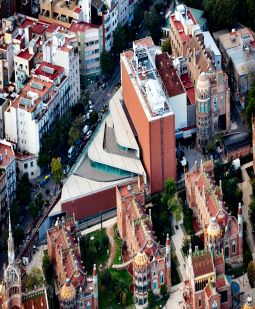
Fundació Puigvert state-of-the-art high technology equipment, including robotic surgery and minimally invasive approach, together with some of the world’s leading specialists and over 60 years of experience, allow the clinic to have served over 600.000 patients
DoctorsJPProf. Juan Palou Redorta, Prof, MD, PhDERProf. Eduard Ruiz CastañéView all 7
Urology is the medical-surgical speciality covering study, diagnosis and treatment of pathologies that affect the urinary system, suprarenal glands and retroperitoneal glands of both sexes and the male reproductive system, with no age limit.
Sanitas Hospitales is among the foremost programs for delivering sophisticated, patient-centered care across the entire spectrum of adult and adolescent urological conditions.
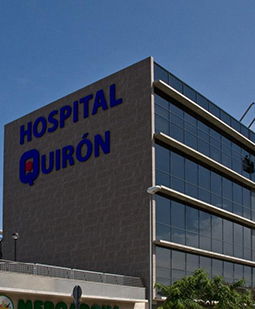
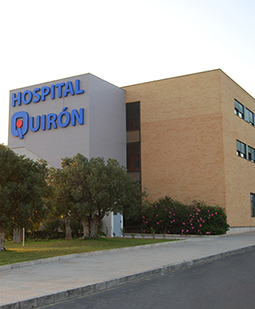
With more than 36 medical specialties, 200 physicians and surgeons of the highest level, Quironsalud Hospital Malaga is one of the most pertinent hospitals in Spain.
A modern multispecialty healthcare clinic, located in Valencia, Spain that along with its ISO certified partner Hospitals − some of the most recognized private Hospitals in Spain − integrate clinical and hospital care.
DoctorsFODr. Felipe Ordono Dominguez
PricesTURP Surgery upon requestTURP Surgery upon request
The Department of Urology has the expertise to deal with Urinary tract obstruction , Stones, Prostate enlargement, infections & Male Infertility & Impotence.
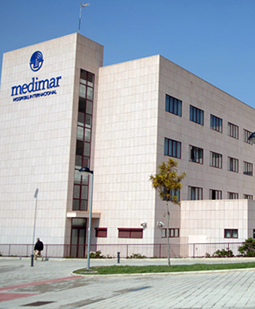
Medimar International Hospital is a tetriatry care hospital with 200 physicians, 50 resident and 150 affiliated, providing healthcare services to the residents of Alicante, as well as to over 25,000 foreign patients a year.
Quironsalud Hospital Torrevieja is an ISO-certified private hospital located in the north of Torrevieja, championing excellence in cancer treatment and management. IMTJ Best International Hospital of the world (awards 2017)
This international hospital incorporates prestigious doctors, invests in research and development, technology and continuing education that enhances skills, in facilities, and in an increased operational efficiency in order to provide nothing but the best
What is TURP Surgery?
Transurethral resection of the prostate (TURP) is a surgical procedure performed to remove the whole or only a portion of the prostate gland that is enlarged.
Surgery is recommended if all other forms of treatment have been unsuccessful in treating the symptoms of benign prostatic hyperplasia (BPH).
TURP surgery is more common in the treatment of an enlarged prostate than open prostatectomy. Open prostatectomy is only required if the prostate is very large. The symptoms are significantly reduced after TURP surgery.
How is TURP Surgery Performed?
A cystoscope, which is an endoscopic tube, is inserted into the patient’s urethra.
A special cutting tool is inserted into the cystoscope.
The prostate gland is removed in pieces with the help of an electric current.
A sterile solution is used to flush the patient’s bladder and remove the tissues of the prostate gland.
How to Prepare for TURP Surgery?
The patient is physically examined to ensure that the patient is in a good condition to undergo surgery.
The patient may need to give some tests like blood and urine analysis, etc.
The doctor should be informed about any medication that the patient is taking with or without a prescription. These may include supplements or herbs or drugs.
Certain medication that the patient is taking may be stopped two weeks before the surgery.
The doctor should be informed if the patient has any ailments or medical conditions.
The patient must stop smoking to ensure a quick recovery.
About TURP Surgery
Key facts to plan your treatment: how long it takes, your hospital stay, anaesthesia, risks and recovery.
Duration of surgery/treatment
Approximately 1 hour
Days admitted
Approximately 4 days
Anesthesia
General or spinal anesthesia
Recovery
- Blood or blood clots from the bladder are removed after the surgery with the help of a catheter.
- The catheter is removed when there is no more bleeding or blood clots in the urine.
- Frequent urination symptom may continue for six weeks after the surgery.
- The patient can resume normal diet after the surgery.
- Medication may be provided to reduce bladder spasms.
Risks
Risks of anesthesia include:
- Breathing difficulty
- Allergic reaction to medication
Risks of any surgery include:
- Bleeding
- Blood clotting
- Infection
Risks of TURP surgery include:
- Bladder perforation
- Bladder neck stenosis
- Injury to the internal sphincter system, which may lead to retrograde ejaculation
- Urethral stricture, in which the urinary outlet is tightened due to scar tissue
- Urinary incontinence
- Impotence
- Infertility
- Damage to other organs and structures.
- TURP Syndrome:
During TURP surgery, excess amounts of fluids absorption from the open sinusoids of the prostate can cause hyponatremia and water stroke. This can result in mental status changes, confusion, nausea, vomiting, and coma. TURP syndrome may be prevented by limiting the duration of the surgery to less than one hour.
After care
- The patient should avoid strenuous activities including sexual intercourse for six weeks after the surgery.
- The patient will need to change positions in bed and do some exercises to maintain blood circulation.
- The patient is also required to use some coughing and breathing techniques from time-to-time, between three to four hours.
- The patient may need to wear special stockings to prevent blood clotting.
- A breathing device may be used to help the patient in clearing the lungs and preventing pneumonia.

 Private hospital
 ISOPrice on request

 JCI