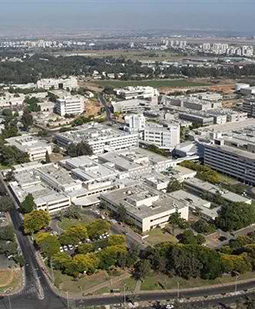
The Oncology Institute serves a broad population of cancer patients from central Israel and throughout the country. The fast-track appointment service enables patients to be seen for their initial visit within 48 hours of contacting the institute.
DoctorsIWProf. Ido WolfYKProf. Yehuda KolanderView all 4
The largest medical center in Israel and the Middle East, internationally renowned for it's medical excellence. Around 31,000 inpatients are treated annually.
DoctorsEFProf. Eitan FriedmanZSProf. Zvi SymonView all 18
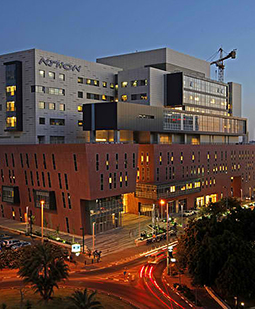
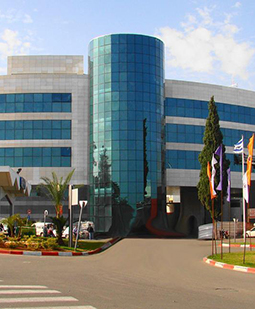
The Oncology Institute at Rambam Health Care Campus is a multi-disciplinary center for cancer treatment. It is certified by the European Society for Clinical Oncology (ESMO) as an integrated center for cancer treatment and support services, and is the only institute of its kind in Northern Israel.
DoctorsRBProf. Rechamim Ben-josefDKDr. David KakiashviliView all 11
The Davidoff Center for the research and treatment of cancer is one of the most advanced facilities in the Middle East for the treatment of malignant diseases, delivering medical treatment to approximately 15% of Israel's cancer patients.
DoctorsJBProf. Jack BanielMProf. M.ShohatView all 6
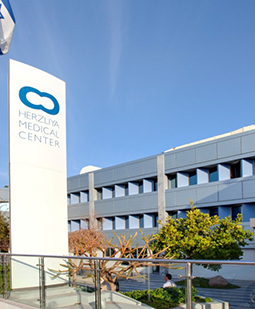
A private hospital located on the shorelines of Herzliya, just off Tel Aviv, offering healthcare services to both local and foreign patients. The hospital is affiliated with over 500 Israeli physicians, many of whom hold high level positions at public hospitals.
DoctorsGLDr. Guttman LiveASProf. Aaron SulksView all 5
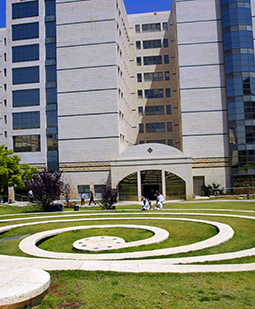
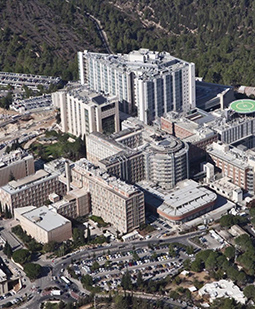
Hadassah medical institution includes two university hospitals in Jerusalem – on Mt. Scopus and in Ein Kerem. Both provide advanced tetriary healthcare services in all medical specialties.
DoctorsTPProf. Tamar Peretz-YablonskiAHDr. Ayala HubertView all 40
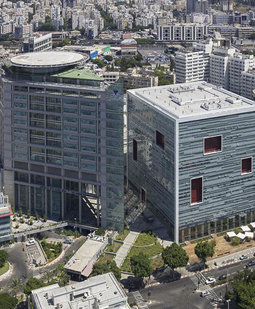
One of the largest hospitals in Israel with 900 beds and 700 physicians. The hospital serves 1000 medical tourists annually, providing advanced medical care at the highest western standards.
Sarcoma is derived from the Greek word ‘sarx’ which means flesh. Sarcomas are cancerous tumors of the connective tissues. Connective tissues include blood vessels, nerves, fat, cartilage, bones, deep skin tissues, and muscles. Sarcoma is rare cancer.
How many types of sarcomas are there?
There are two main types of sarcomas namely soft tissue sarcomas and bone sarcomas. They all exhibit the same symptoms and share some microscopic characteristics.
Soft tissues sarcoma: Because of this it is very important to see a specialist once you have been diagnosed. This type of cancer can occur in the tendons, blood vessels, muscles, fat synovial and fibrous tissues. They can spread to surrounding tissue and even further to other organs.
Bone sarcoma: This type of sarcoma is also called osteosarcoma.
Risk factors
Although it is sometimes not clear why some people develop sarcomas, the following are some of the factors that increase the risks of developing sarcomas.
Exposure to high doses of radiation
Exposure to a chemical found in herbicides and wood preservatives
A family history of sarcomas
You suffer a bone disorder called Paget’s disease
Symptoms
Osteosarcoma is more common in children than adults and can sometimes be mistaken for growing pains.Soft tissue sarcoma presents as a small painless lump. With time, the lump becomes bigger. It might make you uncomfortable as it presses against muscles or nerves. With time, it also becomes sore and painful.
Bone sarcoma presents as off and on pain in the affected bone.
Swelling which starts weeks after the pain
You might exhibit a limp if the sarcoma is in the leg
Diagnosis
Biopsy: Soft tissue can only be diagnosed through surgical biopsy. A biopsy is a procedure used to remove a small sample of tissue for further examination under a microscope.
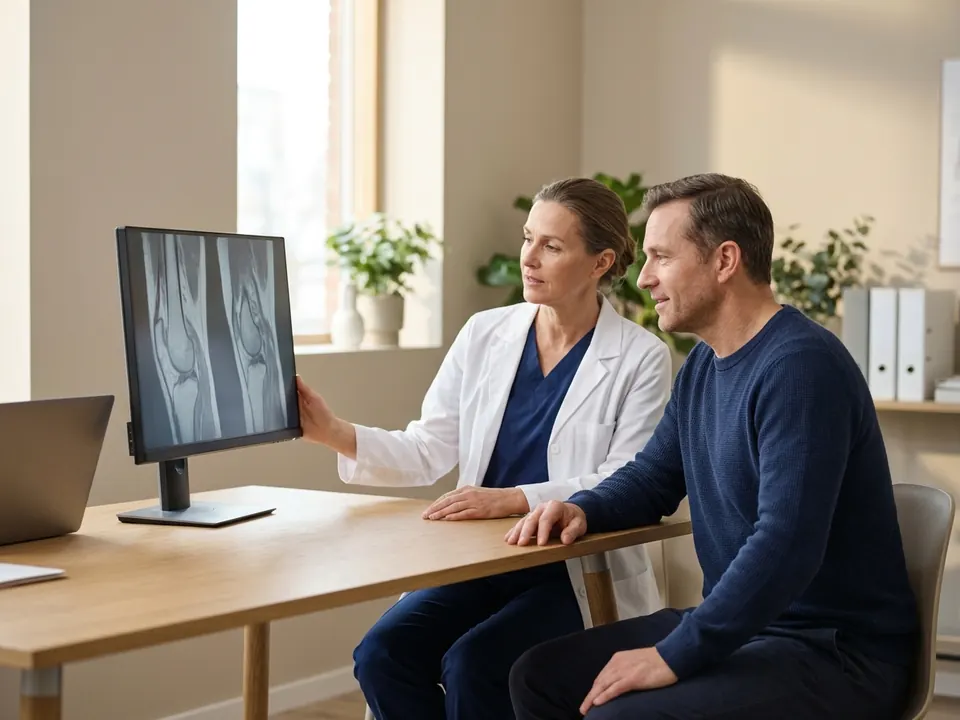
Imaging tests: these include a CT (computed tomography) scan, an ultrasound or an MRI (magnetic resonance imaging) which helps the doctor to see inside your body.
Bone scan: If you have bone sarcoma you may be required to get a bone scan.
Treatment
Choice of which method of treatment to use or if to combine several is determined by the size, location, severity and growth rate of the tumor
Surgery: Soft tissue sarcomas are mainly treated with surgery.
Chemotherapy: Chemotherapy drugs can be used or even combined with surgery.
Radiotherapy: This can be used to shrink the tumor before the surgery. It can also be used to kill any remaining cancer cells after the surgery has been performed. It could also be the only treatment, especially if surgery is not an option.
Targeted therapy: This is a new treatment that uses drugs or artificial antibodies to block the growth of cancer cells while it leaves healthy cells unharmed.
Conclusion
Although sarcomas are quite rare, they are treatable. You should discuss with a specialist the options you have and which one you feel bests fits you.
About Sarcoma Treatment
Key facts to plan your treatment: how long it takes, your hospital stay, anaesthesia, risks and recovery.
Recovery
Information coming soon. Request a consultation for personalized recovery guidance. Get Quote →
After care
Information coming soon. Request a consultation for personalized recovery guidance. Get Quote →
 Public University Hospital
 JCI
 ISO