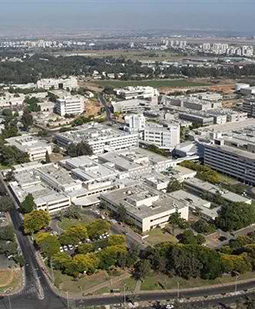
 Public Hospital
Tel Hashomer, Israel
 JCIPrice on request
The largest medical center in Israel and the Middle East, internationally renowned for it's medical excellence. Around 31,000 inpatients are treated annually.
Price
Contact for quote
Oncology care in Israel
Hospitals and medical centers in Israel which treat Skin Cancer patients.
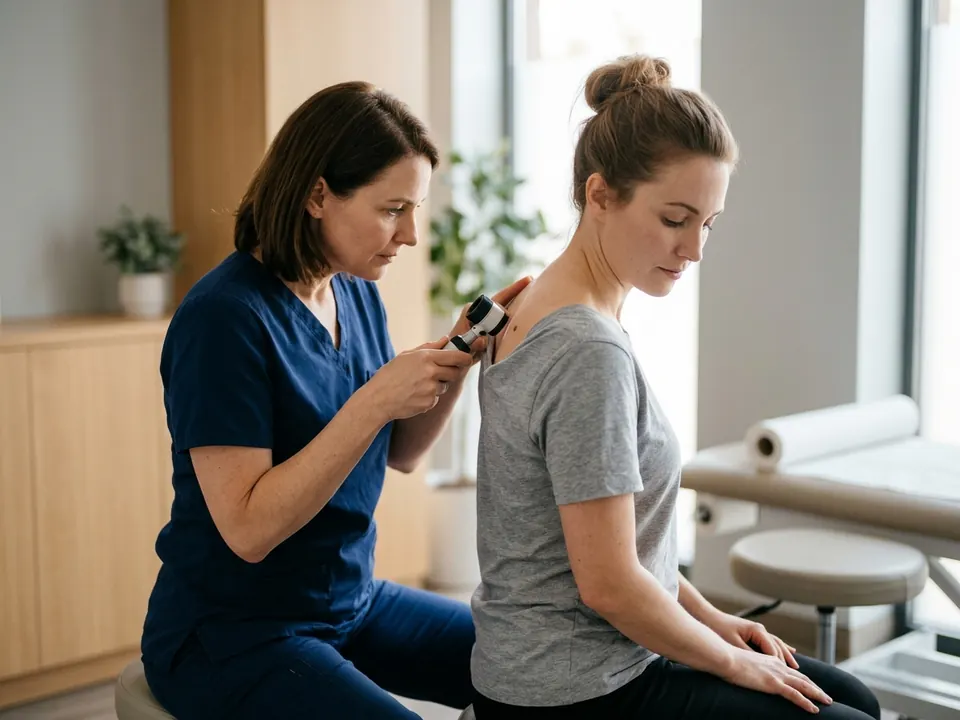
Key planning information for skin cancer treatment in Israel.
Skin Cancer Treatment in Israel is priced per case at 6 hospitals. Each hospital quotes its own price for your case.
Skin Cancer Treatment is listed by 6 hospitals in Israel. The order reshuffles every hour so each gets equal exposure.
Public HospitalJCIPrice on requestThe largest medical center in Israel and the Middle East, internationally renowned for it's medical excellence. Around 31,000 inpatients are treated annually.
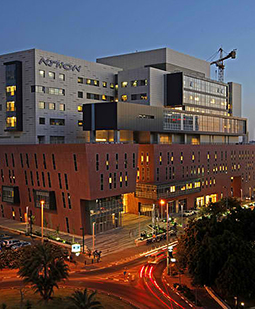 Private HospitalJCIPrice on request
The new Assuta Hospital was opened in 2009, and claims to be the most modern hospital in the middle east.
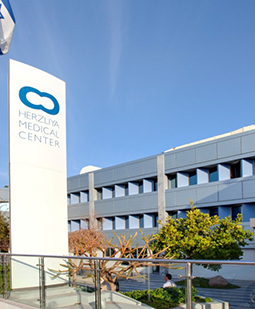 Private Hospital
A private hospital located on the shorelines of Herzliya, just off Tel Aviv, offering healthcare services to both local and foreign patients. The hospital is affiliated with over 500 Israeli physicians, many of whom hold high level positions at public hospitals.
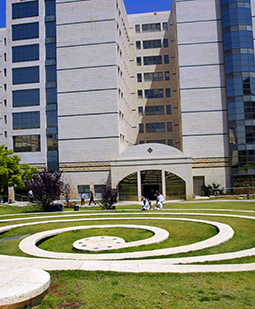 Public Hospital
The Davidoff Center for the research and treatment of cancer is one of the most advanced facilities in the Middle East for the treatment of malignant diseases, delivering medical treatment to approximately 15% of Israel's cancer patients.
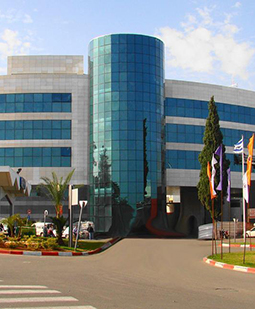 Public Hospital
 ISOPrice on request
One of the largest hospitals in Israel with 900 beds and 700 physicians. The hospital serves 1000 medical tourists annually, providing advanced medical care at the highest western standards.
Skin Cancer is treated at
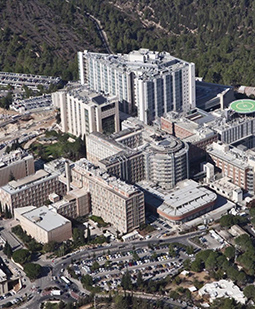 University Hospital
Hadassah medical institution includes two university hospitals in Jerusalem – on Mt. Scopus and in Ein Kerem. Both provide advanced tetriary healthcare services in all medical specialties.
This is a type of cancer that affects the skin. It begins from normal skin cells which transform into cells that reproduce in an uncontrollable manner. Most skin cancers do not spread to other parts of the body or organs and are not life threatening. Skin cancer is not common and the survival rate is quite high because it does not usually spread to other parts of the body.
Skin cancer is classified into three main types, depending on the skin cell the cancer develops in.
You can diagnose cancer of the skin by regularly checking your skin for signs of skin cancer. An early diagnosis will increase your chances of successful treatment. Your doctor will examine your skin for signs of skin cancer. They may refer you to a skin specialist or a specialist plastic surgeon for further diagnosis.
The specialist will examine your skin again and may perform a biopsy to confirm a diagnosis of this kind of cancer. A biopsy is an operation that removes some of the affected tissue so it can be examined under a microscope.
The type of treatment you get will depend on how advanced your skin cancer is and the likelihood that it will spread to surrounding tissue or other parts of the body. Treatment for skin cancer is generally successful, unlike most other types of cancer, there is a considerably lower risk that the cancer will increase and extend to other parts of the body.
Surgery is the main treatment for skin cancer. This involves removing the tumor that is affected by cancer, as well as some of the surrounding skin tissue. Other treatments for skin cancer include creams, radiotherapy, cryotherapy, chemotherapy and a treatment known as photodynamic therapy.
Although cancer of the skin is not always avoidable, there are several things that can reduce your chances of developing it. These include:
Key facts to plan your treatment: how long it takes, your hospital stay, anaesthesia, risks and recovery.
Common questions
Have a question? Get a free consultation.
Choose a hospital and send your enquiry to its international patient team. Each replies with its own price and plan.
Free consultation • No obligation